



Beyond the 'Bad Stomach'
For generations, conversations about stomach health in India were often limited to acidity, indigestion, or the dreaded 'Delhi belly'. But a significant shift is underway. Scientists, nutritionists, and increasingly, the general public, are looking deeper,
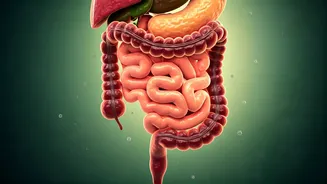
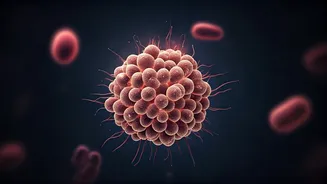
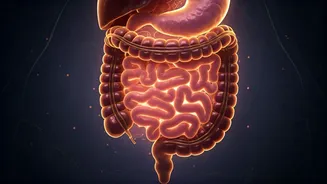
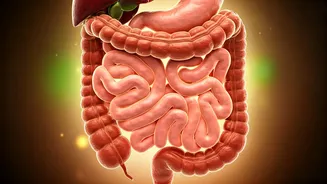
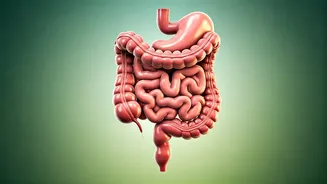
focusing on the complex ecosystem within our digestive system known as the gut microbiome. Think of it as a bustling city of trillions of microorganisms—bacteria, viruses, and fungi—living in your intestines. For a long time, we only thought of bacteria as harmful germs, but we now know that a diverse and balanced community of these microbes is essential for our health. They help digest food, produce critical vitamins, regulate our immune system, and even influence our mental health by communicating with our brain. This is why the gut is often called our 'second brain'.
The Modern Indian Gut Under Stress
So, why the sudden focus? Ironically, modern life is taking a toll on this ancient internal ecosystem. Urbanisation has led to diets high in processed foods, sugar, and unhealthy fats, which starve our beneficial gut microbes. The overuse of antibiotics, while life-saving when necessary, can wipe out good bacteria along with the bad, disrupting the delicate balance. Add to this the chronic stress of a fast-paced life, and you have a recipe for an unhappy gut. This isn't just about discomfort; research is increasingly linking poor gut health in India to a rise in lifestyle diseases like obesity, type 2 diabetes, autoimmune conditions, and even mental health issues like anxiety and depression. The national focus, therefore, is not just a wellness trend but a public health imperative.
Back to Our Roots: The Probiotic Powerhouse
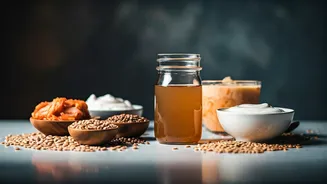
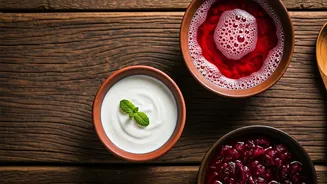
The good news is that the solution might not lie in expensive, imported supplements but right in our own kitchens. Traditional Indian cuisine is a treasure trove of gut-friendly foods. The most obvious hero is dahi (curd). A staple in most Indian households, homemade curd is a fantastic source of natural probiotics—live beneficial bacteria that replenish our gut's population. But it doesn't stop there. Fermented foods, which are central to many regional cuisines, are also packed with probiotics. Think of fluffy idlis and crisp dosas from the South, spongy dhokla from the West, or tangy, fermented drinks like kanji. For centuries, we have been consuming these foods for their taste and texture, without perhaps realising their profound scientific benefits for our digestive health.
Fuel for Your Inner Army
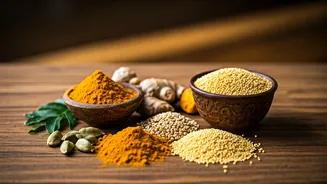
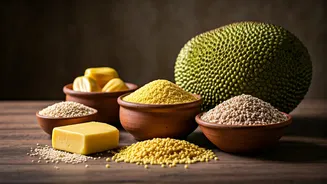
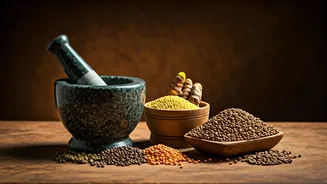
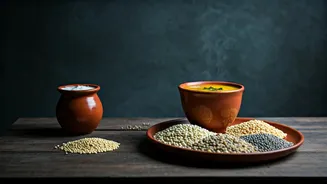
If probiotics are the soldiers, then prebiotics are their food rations. Prebiotics are types of dietary fibre that our bodies can't digest but our gut bacteria thrive on. Feeding these microbes well helps them multiply and maintain a healthy community. Once again, traditional Indian diets have us covered. Our meals are typically rich in prebiotic fibre from sources like lentils and legumes (dals), whole grains like wheat and millets (jowar, bajra, ragi), and a wide variety of seasonal vegetables. Onions, garlic, and bananas are particularly good sources of prebiotics. Spices like turmeric and ginger, known for their anti-inflammatory properties, also play a role in creating a healthy gut environment. The key is diversity—eating a wide range of plant-based foods ensures you're feeding all the different types of beneficial bacteria in your gut.
Simple Swaps for a Happy Gut
Improving your gut health doesn't require a radical diet overhaul. It's about making small, sustainable changes. Start by incorporating a small bowl of plain, homemade dahi into your daily lunch. When making rotis, try using multigrain atta or millets. Ensure at least half your plate is filled with seasonal vegetables. Instead of reaching for a sugary packaged drink, try a glass of buttermilk (chaas) or lassi. Be mindful of how you're feeling after meals; your body often gives you clear signals. By consciously choosing whole, traditional foods over their processed counterparts, you are actively investing in your long-term health, strengthening your immunity, and boosting your overall well-being from the inside out.