




1. Start with One Veggie-Packed Day
Instead of overhauling your entire week, commit to just one day. 'Meat-Free Mondays' is a popular global concept, but you can choose any day that works for your schedule. The goal isn't to deprive yourself, but to explore. On this day, consciously choose vegetarian
options for all three meals. Think poha or idli for breakfast, a hearty dal and sabzi with roti for lunch, and maybe a paneer tikka or vegetable biryani for dinner. By containing the effort to a single day, you make the task manageable and build confidence. It’s an experiment, not a lifelong commitment, which removes the pressure and makes it easier to stick with.
2. 'Veg-ify' Your Favourite Dishes
You don't need to learn a whole new cuisine to eat more vegetables. Start with the dishes you already love and know how to cook. If you enjoy a good keema curry, try making it with soya granules or finely chopped mushrooms and green peas instead. Love biryani? A well-spiced vegetable and paneer version can be just as satisfying. The same goes for pasta sauces, sandwich fillings, and wraps. By substituting the meat component with a plant-based alternative, you keep the familiar flavours you crave while effortlessly reducing your meat intake. This approach feels less like a diet and more like a creative kitchen challenge.
3. Embrace the Power of Pulses
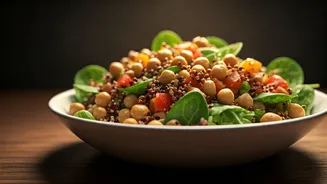
Lentils, beans, and chickpeas are the unsung heroes of Indian vegetarian cooking, and they deserve a prime spot in your diet. They are packed with protein, fibre, and essential nutrients, keeping you full and energised. The best part? They are incredibly versatile and affordable. Master two or three basic dal recipes—a simple dal tadka, a creamy dal makhani, or a flavourful sambar. Learn to make a quick chana masala. These dishes are not only comforting and delicious but also form the backbone of a healthy vegetarian diet. Having them in your weekly rotation ensures you're getting quality protein without even thinking about it.
4. Stock a Smarter Veg Pantry
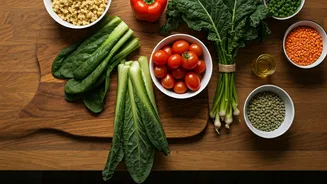
A spontaneous decision to cook a healthy meal can be easily derailed by a bare kitchen. Set yourself up for success by stocking a few key ingredients. Keep your spice box full and fresh. Always have onions, garlic, ginger, and tomatoes on hand. Stock up on a variety of dals, chickpeas (canned or dried), and some long-life plant milks. Frozen vegetables like peas, corn, and spinach are lifesavers for quick meals. When you have the building blocks ready, whipping up a nutritious veg meal like a quick stir-fry or a simple sabzi becomes a 20-minute affair, not a chore.
5. Make Flavour Your Top Priority
One of the biggest misconceptions about vegetarian food is that it's bland. This is only true if you don't season it properly. The key to delicious vegetable-based dishes is building layers of flavour. Learn to use spices beyond just chilli powder and turmeric. Toast whole spices before grinding them to release their aromatic oils. Don't be shy with fresh herbs like coriander and mint. A squeeze of lemon or a dollop of yogurt at the end can brighten up an entire dish. Roasting vegetables with a little oil and salt brings out their natural sweetness in a way that boiling never can. When your veg meals are bursting with flavour, you'll never feel like you're missing out.
6. Redefine 'Perfection'
Finally, the most important goal is to let go of the all-or-nothing mindset. Eating more vegetarian food is not a pass/fail exam. Some weeks you might eat entirely veg, and other weeks you might not. That's perfectly fine. The aim is a long-term shift, not short-term perfection. If you have a non-veg meal, enjoy it and simply get back to your plant-focused goals the next day. Every single vegetarian meal you choose is a win for your health and the environment. Celebrate the small victories and focus on the overall direction you're heading in, not the occasional detour.