





What is 'Soil-Science Mode'?
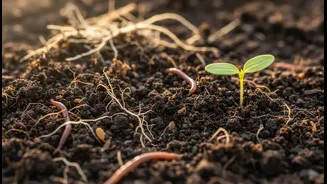
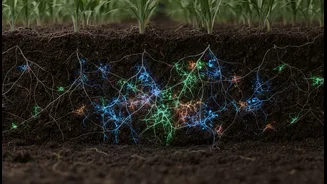
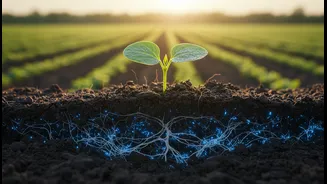
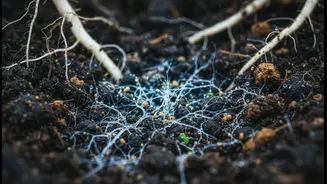
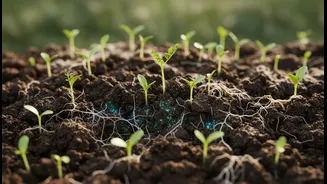
For generations, farming has been an art passed down through families. But today, it is rapidly becoming a science. 'Soil-science mode' describes a fundamental change in perspective: treating soil not as inert dirt, but as a living, complex ecosystem
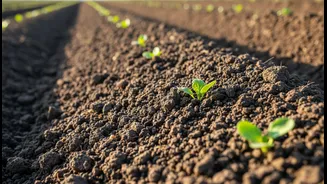
that is the foundation of all agriculture. This approach moves beyond intuition and historical practice to use data and technology for making precise decisions. It involves analysing the soil’s physical and chemical properties, like its pH, organic carbon content, and the specific levels of macro and micronutrients. The goal is to give each plot of land exactly what it needs, no more and no less, to improve yields, reduce costs, and ensure long-term sustainability.
The Government’s Data-Driven Push
At the forefront of this national shift is the government's Soil Health Card (SHC) scheme, launched in 2015. The ambitious programme has created one of the world's largest soil databases by collecting millions of samples and distributing hundreds of millions of cards to farmers. These cards provide a detailed report of the soil's nutrient status and offer crop-specific recommendations for fertilisers. Studies have shown that farmers following these recommendations can reduce their use of chemical fertilisers by 8-10% while increasing crop yields by 5-6%. This indicates a move towards more balanced nutrient management, which is critical for reversing land degradation, a problem affecting nearly 30% of India's geographical area. The scheme has also led to the establishment of thousands of new soil testing laboratories across the country.
Agritech Startups Leading the Charge
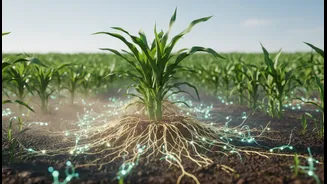
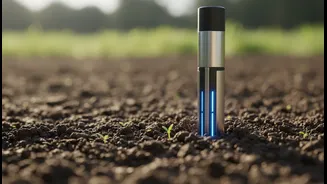
It isn't just the government driving this change. A new wave of agritech startups is revolutionising how soil data is collected and used. Companies like Krishitantra, CropIn, and Bharat Agritech are developing cutting-edge solutions that bring the lab to the farm. These include portable, sensor-based devices that can provide instant soil analysis, a process that used to take weeks or even months. Many of these startups use a combination of IoT sensors, satellite imagery, and artificial intelligence to offer real-time, farm-specific advice through mobile apps. This empowers farmers with actionable insights on everything from irrigation schedules to pest management, all based on the specific condition of their soil.
From Lab to Land: The Real-World Impact
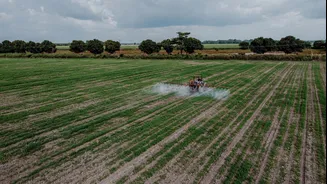
The tangible benefits of this scientific approach are already being felt. By applying the right amount of fertilisers and micronutrients, farmers can significantly cut their input costs, which is crucial as fertiliser prices rise. More balanced nutrient use not only increases yield but also improves the quality of the produce. Furthermore, this shift has significant environmental advantages. Reducing the overuse of chemical fertilisers, particularly nitrogen, helps prevent soil and water contamination and cuts down on greenhouse gas emissions. By focusing on building up organic matter and soil biodiversity, these practices contribute to healthier, more resilient agricultural systems that are better equipped to handle challenges like climate change.
The Hurdles on the Path Forward
Despite the progress, the transition to full-scale soil-science mode is not without challenges. A major issue is farmer awareness and adoption. Many farmers, particularly those with low literacy, find the technical details on soil health cards difficult to understand and implement. There can also be significant delays between when soil is sampled and when the results are delivered, making the advice less timely. While many new labs have been established, ensuring the quality and accuracy of testing across the board remains a concern. The final hurdle is often institutional; making sure that this vast amount of soil data is used not just to monitor a scheme, but to fundamentally shape agricultural policy and support farmers in their transition to more sustainable practices.