




The Building Blocks of Recovery
Protein is essential for everyone, but for athletes, it's the critical nutrient for repairing and rebuilding muscle tissue that gets broken down during exercise. Proteins are made up of smaller units called amino acids. There are 20 different amino acids,
nine of which are considered 'essential' because our bodies can't make them—we have to get them from food. Foods that contain all nine of these essential amino acids in adequate amounts are called 'complete proteins.' Animal products like meat, eggs, and dairy are classic examples. Most plant-based foods, however, are 'incomplete proteins,' meaning they are low in one or more of these essential amino acids.
The Power of a Perfect Pair
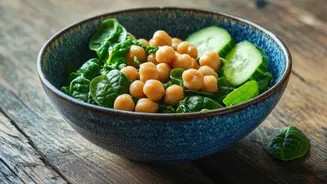
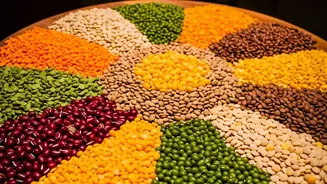
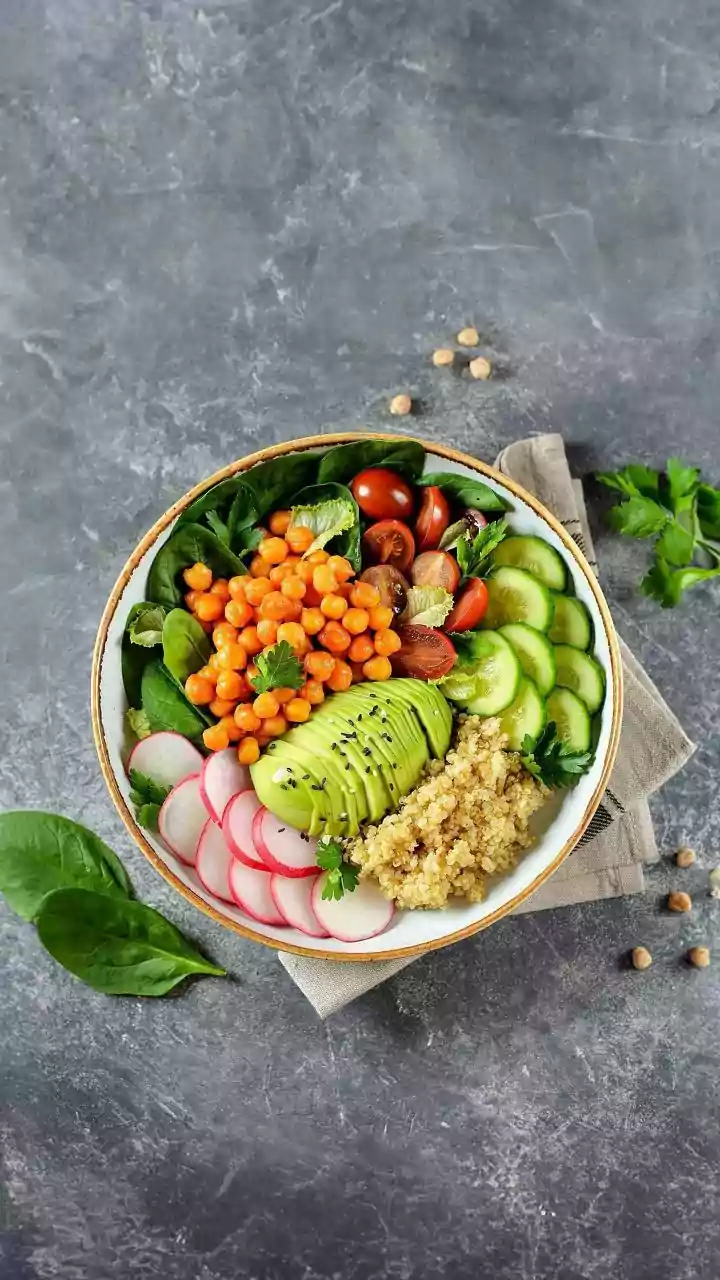
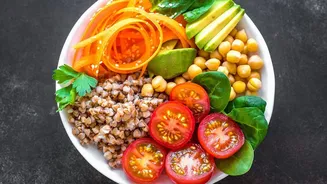
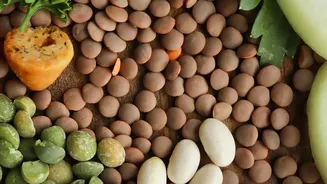
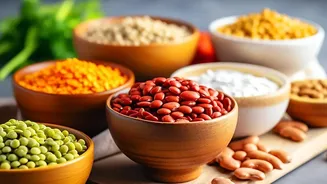
This is where the magic of food combination comes in. Different plant foods have different amino acid strengths and weaknesses. Whole grains like wheat and rice are typically low in the essential amino acid lysine. Legumes—which include lentils (dal), chickpeas (chana), and beans (rajma)—are rich in lysine but tend to be low in another amino acid, methionine. When you eat them together, their amino acid profiles complement each other, filling in the gaps. This pairing creates a high-quality, complete protein profile that gives your body all the necessary building blocks for effective muscle synthesis and recovery.
India's Traditional Protein Combos
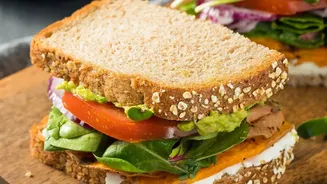
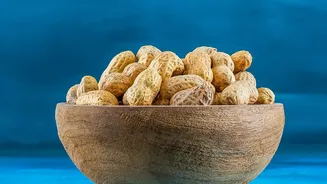
The great news for anyone following an Indian diet is that this nutritional wisdom is already deeply embedded in our cuisine. Many of our most beloved comfort foods are, by nature, perfect protein pairings. Think of a simple plate of dal and rice, a hearty bowl of rajma-chawal, or whole wheat roti served with chana masala. These traditional meals aren't just delicious and satisfying; they are scientifically sound combinations that provide the full spectrum of essential amino acids your muscles crave after a workout. Other classic examples include hummus (made from chickpeas) with pita bread, and even a simple peanut butter sandwich on whole-grain bread.
Debunking a Common Myth: Meal Timing
For years, it was believed that you had to eat complementary proteins in the same meal for your body to use them effectively. However, modern nutritional science has shown this to be a myth. Our bodies maintain a reserve pool of amino acids. As long as you consume a variety of protein sources throughout the day—for instance, dal for lunch and whole wheat roti for dinner—your body can pull the necessary amino acids from this pool to form complete proteins as needed. This makes it much easier to meet your protein goals without having to meticulously plan every single meal. The key is overall dietary variety.
Beyond Grains and Legumes
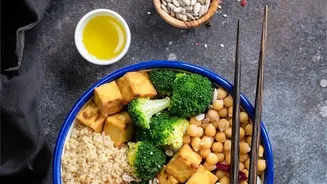
While the grain-and-legume strategy is a powerful tool, it's not the only way for vegetarians to get high-quality protein. Several plant-based foods are considered complete proteins all on their own. These include soy products like tofu, tempeh, and edamame, as well as quinoa, amaranth (rajgira), and buckwheat (kuttu). For lacto-vegetarians, dairy products like paneer, Greek yogurt (hung curd), and milk are also excellent sources of complete protein that can significantly boost recovery. Incorporating these foods alongside your grain and legume pairings ensures a robust and varied protein intake to support your athletic goals.