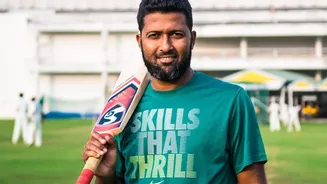









Lesson 1: Prioritise Demonstrable Skills
The single most important lesson from those who succeed without a degree is their relentless focus on acquiring practical, in-demand skills. The modern Indian job market is shifting towards skill-based hiring, where what you can do matters more than your
qualification on paper. Companies from tech startups to established giants like TCS and Infosys are now using coding tests, case challenges, and practical assessments to find talent. Whether it's digital marketing, web development, data analytics, or a skilled trade, the focus is on competence. Instead of spending years on theoretical knowledge, successful individuals dedicate themselves to mastering a specific, high-demand skill through online courses, bootcamps, and hands-on practice. The lesson is clear: your ability to deliver results is your new resume.
Lesson 2: Build a Portfolio, Not Just a CV
For those without a traditional degree, a portfolio is the ultimate proof of their capabilities. It’s a tangible collection of your best work that showcases your skills in action. A CV lists your history; a portfolio demonstrates your ability. For a graphic designer, this could be a collection of their best visual work; for a developer, it's a GitHub profile with real, functioning projects. This approach allows recruiters to see direct evidence of your talent, bypassing the need for a degree as a proxy for competence. Building a portfolio forces you to complete projects, solve real-world problems, and refine your craft. It transforms you from a candidate who claims to have skills into one who has proven them.
Lesson 3: Master Your 'Soft Skills'
Technical abilities can get your foot in the door, but soft skills are what will help you rise. Skills like clear communication, teamwork, problem-solving, and emotional intelligence are highly valued by Indian employers. In fact, many hiring managers report that they often reject technically strong candidates due to poor soft skills. People who build successful careers understand that how you interact with colleagues, handle pressure, and present your ideas is crucial. These skills are not taught in a textbook but are developed through practice, self-awareness, and a willingness to learn from every interaction. They are the glue that holds a successful career together, enabling better collaboration and leadership.
Lesson 4: Embrace Continuous Learning
The world of work is changing faster than ever, and a one-time degree is no longer sufficient to guarantee lifelong employability. Individuals who thrive without formal education often adopt a mindset of continuous learning. They are constantly upskilling, earning new certifications, and staying on top of industry trends. Platforms offering industry-recognised certifications in fields like data science, cloud computing, and digital marketing are becoming increasingly accepted by employers. This commitment to lifelong learning ensures their skills remain relevant and valuable, allowing them to adapt to new technologies and job requirements far more quickly than those who rely on an outdated qualification.
Lesson 5: Network and Build a Personal Brand
Your network is your net worth, especially when you are forging a non-traditional career path. Building professional relationships can open doors to opportunities that are never advertised publicly. Successful people without degrees are often masters of networking, using platforms like LinkedIn and attending industry meetups to connect with peers and potential employers. They also understand the importance of building a personal brand. By sharing their knowledge through blogs, social media, or by contributing to open-source projects, they establish themselves as experts in their chosen field. This visibility builds trust and credibility, making employers and clients seek them out for their expertise.