



From Sightseeing to 'Experience-ing'
There’s a fundamental shift happening in the Indian travel landscape. The age-old model of visiting a destination, ticking off a list of famous monuments, and taking a few photos is giving way to something more immersive. Today's traveller, particularly
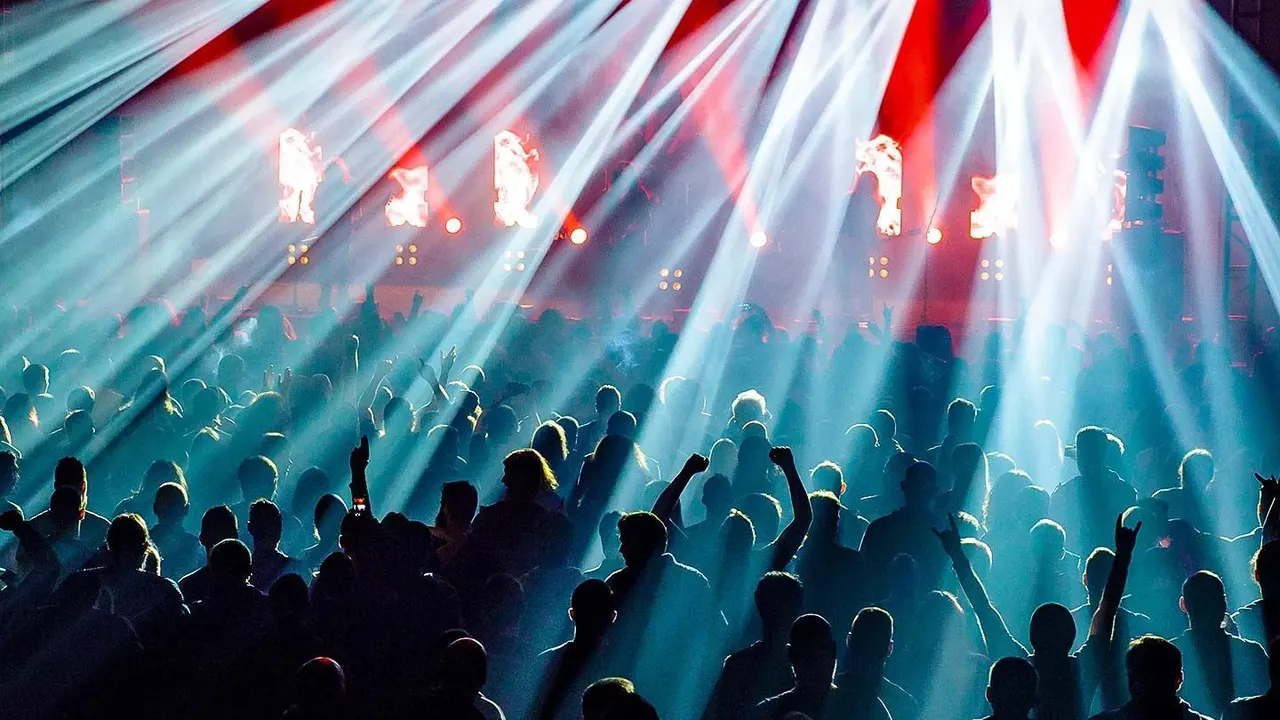
those under 35, is seeking authentic, engaging, and memorable experiences. This has given rise to what the industry calls 'experiential travel'. Instead of just observing, people want to participate. This shift is a key reason why festivals and live events have become powerful magnets for tourism, with some reports suggesting that nearly one in three young travellers now prefers a music festival trip over a conventional holiday. It's less about where you go and more about what you do when you get there.
The Music Pilgrimage
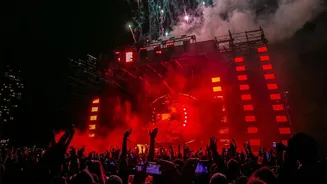
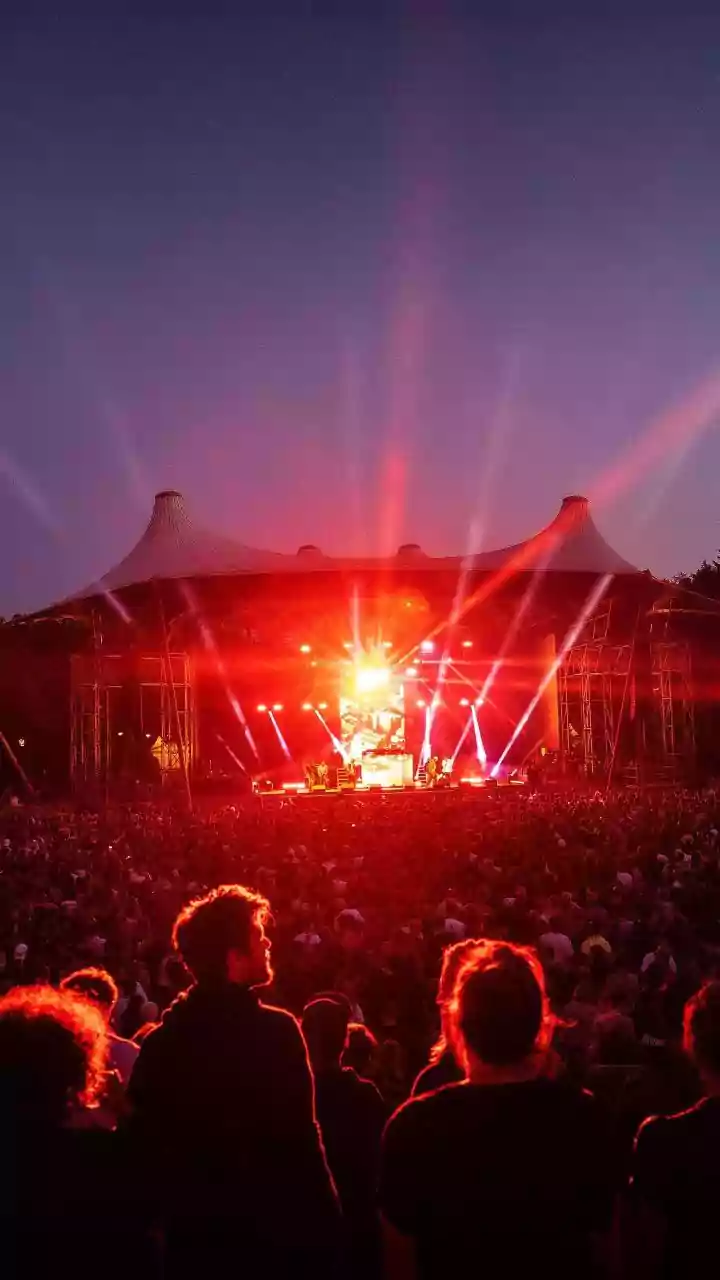
At the forefront of this movement are India's iconic music festivals, which have cultivated loyal followings who travel across the country for a few days of music and community. The Ziro Festival of Music in Arunachal Pradesh is a prime example. Set against the stunning backdrop of the Ziro Valley, this event draws thousands of indie music lovers annually. It’s celebrated for its eco-friendly ethos, with stages built from local bamboo, and offers a deep dive into the culture of the local Apatani tribe. Similarly, festivals like NH7 Weekender and Magnetic Fields in Rajasthan have become annual pilgrimages for a generation that values unique settings and curated musical acts. These aren't just concerts; they're destinations in themselves, complete with camping, local food, and a vibrant sense of community.
A Cultural Tapestry on Display
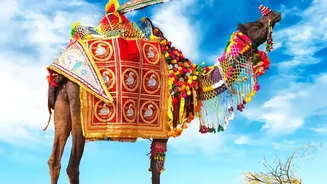
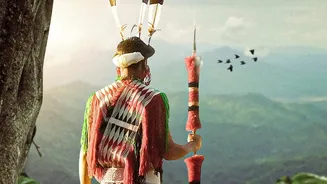
It isn't only about modern music. Traditional and cultural festivals are also becoming major travel draws. The Hornbill Festival in Nagaland, known as the 'Festival of Festivals', is a spectacular 10-day event that brings together all of the state's major tribes to showcase their rich heritage through dance, music, and food. What started in 2000 has become a huge attraction, pulling visitors from across India and the globe to the Naga Heritage Village in Kisama. Down in Gujarat, the Rann Utsav transforms the stark white salt desert into a bustling tent city, celebrating the region's unique crafts, culture, and stunning landscape. The festival has seen exponential growth in visitors, with recent years drawing nearly 1.8 million tourists over a two-year period, generating significant revenue for the state.
The Driving Force: A New Generation
This trend is overwhelmingly powered by India's younger demographic. According to an Airbnb survey, a staggering 62% of Gen Z travellers in India plan to take trips specifically for music events in 2026. This generation prioritises shared experiences and cultural moments over material possessions. For them, a festival is not an add-on to a trip—it is the trip. Many report visiting a city for the first time because of a concert or festival. This demographic is also willing to spend, with many allocating a significant portion of their income to travel centered around these events. They often extend their stays beyond the festival dates to explore the local area, further boosting the economic impact.
Economic Ripples and Local Impact
The rise of festival tourism creates a powerful economic ripple effect. Major concerts and events are proving to be significant economic multipliers, boosting local hospitality, transport, and retail sectors. A single large tour can generate crores in economic activity and create thousands of man-days of employment. This boom isn't just felt in big cities. In remote locations like Ziro or Kohima, festival-goers drive demand for homestays, local guides, and artisans, providing a crucial source of income for local communities. As visitors immerse themselves in the local culture, they spend on everything from handcrafted souvenirs to regional cuisine, ensuring the economic benefits are spread widely. This model of tourism fosters a sustainable ecosystem where culture and commerce can thrive together.