
Choosing the Best Chestnuts
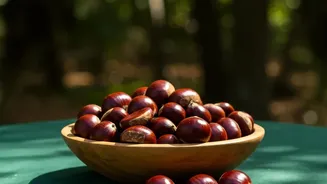
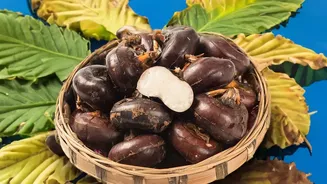
Your journey to perfect pan-roasted chestnuts begins at the store. Success depends on starting with high-quality nuts. Look for chestnuts that feel firm and heavy for their size, with glossy, blemish-free shells. Avoid any that are soft, have tiny holes,
or rattle when you shake them, as these can be signs of mould or dryness inside. Fresh, healthy chestnuts are the foundation for a tender, sweet, and easy-to-peel final product.
The Crucial Scoring Step
This is the single most important part of the process. Scoring each chestnut before heating is non-negotiable because it allows steam to escape during cooking. Without a vent, the pressure builds up and the chestnuts can explode, creating a mess and a potential hazard. For the best results, place the chestnut flat-side down on a cutting board for stability. Using a sharp paring knife or a serrated knife, carefully cut a large 'X' or a long horizontal slit across the rounded side. The goal is to slice completely through the hard outer shell and the thin, papery skin beneath without cutting too deeply into the nut itself.
To Soak or Not to Soak?
Many recipes recommend soaking the scored chestnuts in water for anywhere from 30 minutes to a few hours before cooking. This step helps hydrate the nuts and can make the shells, particularly the stubborn inner skin, much easier to remove after roasting. An alternative and quicker method is to parboil them. After scoring, place the chestnuts in a pot of water, bring it to a boil for a few minutes, and then drain them before moving to the pan. Both methods introduce moisture that will create steam, ensuring the nut inside becomes tender instead of dry and hard.
Roasting to Perfection in a Pan
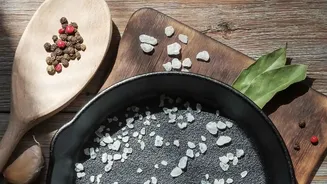
You don't need a special chestnut pan; a heavy-bottomed skillet, especially cast iron, works perfectly. Place the scored and drained chestnuts in the pan in a single layer, ensuring they aren't crowded. Some methods call for dry roasting, shaking the pan every few minutes for about 20 minutes. A more popular technique involves adding a small amount of water to the hot pan with the chestnuts and immediately covering it with a lid. This combination of steaming and roasting cooks them through, making them tender. Cook for 15-25 minutes over medium-high heat, shaking the pan occasionally until the water has evaporated and the shells have peeled back at the cuts.
The Final Steam and Peel
Once the chestnuts are roasted, with their shells burst open and a nutty aroma filling your kitchen, the final step ensures an easy peel. Immediately transfer the hot chestnuts from the pan into a clean kitchen towel. Wrap them up tightly to create a pouch and let them steam for 5 to 10 minutes. This process traps the heat and moisture, which softens the shell and, most importantly, helps the papery inner skin release from the nut. It's crucial to peel the chestnuts while they are still warm, as they become very difficult to peel once they cool down. Simply squeeze the shell, and it should crack open easily, revealing the tender, sweet nut inside.