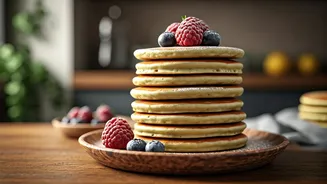


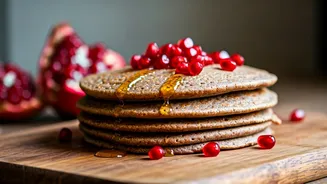


What Are Water Chestnut Pancakes?
Known as *singhare ke cheele* in Hindi, these savoury pancakes are not made from the crunchy water chestnuts you find in Chinese stir-fries, but from the flour of their Indian counterpart. This flour, *singhare ka atta*, is a familiar staple in many Indian households,
traditionally used during fasting periods like Navratri. The pancakes have a uniquely nutty and slightly sweet flavour, with a dense yet soft texture that is incredibly satisfying. Unlike regular pancakes, they are savoury, typically seasoned with rock salt (*sendha namak*), cumin, green chillies, and fresh coriander, making them a perfect companion for a cup of hot chai on a rainy day.
A Traditional Flour's Modern Moment
While the headline might say 'new craze', the truth is that *singhare ka atta* has been a cornerstone of India's culinary heritage for centuries. Its recent surge in popularity is less about invention and more about rediscovery. As more people seek out gluten-free alternatives to wheat, this ancient flour is stepping into the spotlight. It perfectly bridges the gap between modern dietary needs and traditional wisdom. What was once considered 'vrat ka khana' (fasting food) is now being celebrated as a versatile, everyday ingredient for a health-conscious generation. This shift has propelled water chestnut pancakes from the fasting platter to the mainstream breakfast table and evening snack menu.
Why They're a Monsoon Favourite
The monsoon season brings a universal desire for hot, fried snacks, but also a host of digestive issues. This is where *singhare ke cheele* shine. They offer the comforting warmth and savoury satisfaction of a pakora or bhajiya, but are typically pan-fried with minimal oil, making them a much lighter option. According to Ayurvedic principles, water chestnut flour has cooling properties, which can help balance the body's 'pitta' during the humid season. It is also easy to digest, making it an ideal choice when our digestive fire is weaker. The simple, clean ingredients don't tax the system, providing wholesome energy without the heaviness of deep-fried, maida-based snacks.
More Than Just Gluten-Free
The gluten-free tag is what gets many people interested, but the nutritional benefits are what make them stay. Water chestnut flour is a powerhouse of nutrients. It's a good source of potassium, which helps counteract the effects of sodium and can regulate blood pressure. It's also rich in dietary fibre, promoting good gut health and keeping you full for longer. Furthermore, it contains essential minerals like magnesium and manganese, and is packed with antioxidants that help fight free radicals in the body. So, while it's an excellent choice for those with celiac disease or gluten intolerance, it's a genuinely healthy option for everyone.
How to Make Them at Home
Making these pancakes is incredibly simple. You don't need a complicated recipe, just a feel for the ingredients. Start by making a batter by mixing *singhare ka atta* with water. You're looking for a consistency similar to a dosa or regular cheela batter—not too thick, not too runny. To this, add your flavourings. Rock salt is traditional, but regular salt works too. Finely chopped green chillies, fresh coriander leaves, and a pinch of roasted cumin powder are classic additions. Some people even add grated bottle gourd (*lauki*) or mashed boiled potato to the batter for extra softness and nutrition. Simply heat a non-stick tawa or pan, drizzle a little ghee or oil, and pour a ladleful of the batter, spreading it into a thin circle. Cook on both sides until golden brown and slightly crisp at the edges. Serve hot with a side of mint chutney or plain curd.