





The Body's First Task: Temperature Control
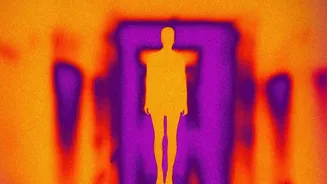
Before your body can even begin to break down food and absorb its nutrients, it has one crucial job: to bring everything you consume to your core body temperature, approximately 37°C. When you eat or drink something icy cold, your digestive system has to work
overtime to warm it up. This initial warming process requires energy and can delay the primary task of digestion. A study showed that an ice-cold meal can take significantly longer to pass through the stomach compared to the same meal eaten hot. Hot or warm food, already being close to your internal temperature, allows your system to get straight to work, making the entire process more efficient.
Digestive Enzymes: The Need for Warmth
Think of your digestive enzymes as tiny biological workers that are highly sensitive to their environment. These proteins, produced by your stomach, pancreas, and other organs, are responsible for breaking down fats, proteins, and carbohydrates. They have an optimal working temperature, which happens to be our normal body temperature. When you introduce cold food or drinks, it can temporarily lower the temperature in your gut. This change can slow down the activity of these crucial enzymes, making them less effective. Slower enzyme function means food sits in your stomach for longer, which can lead to feelings of bloating, gas, and general discomfort.
The Hidden Energy Cost
Your body is an expert at maintaining a stable internal temperature, a process called thermoregulation. When you consume cold items, your body must expend energy to generate heat and counteract the drop in temperature. This is known as diet-induced thermogenesis. While it might sound like a good way to burn a few extra calories, the energy being used to warm the food is diverted from where it's needed most: the digestive process itself. This can leave you feeling sluggish or tired after a cold meal, as your body has to work that much harder just to get started. Warm foods, on the other hand, require less energy to process, freeing up your body's resources for efficient nutrient absorption.
Blood Flow and Nutrient Absorption
Warmth has a relaxing effect on the body’s tissues, including the muscles of your digestive tract. Consuming warm food can help increase blood flow to the gut. This enhanced circulation is vital because it helps transport the digestive enzymes and hormones needed for breaking down food, and it's essential for carrying absorbed nutrients away from the intestines to the rest of the body. Conversely, cold temperatures can cause vasoconstriction, which is the narrowing of blood vessels. Reduced blood flow to the stomach and intestines could potentially slow down muscle contractions and hamper the overall efficiency of nutrient absorption.
Insights from Traditional Wisdom
Long before modern science could measure enzyme activity, traditional medicine systems like Ayurveda and Traditional Chinese Medicine (TCM) advocated for eating warm, cooked foods. In Ayurveda, digestion is likened to a fire called 'Agni'. Consuming cold foods is seen as dampening this fire, making it harder to digest meals and leading to the creation of metabolic waste, or 'Ama'. Similarly, TCM views the stomach as a 'cooking pot' that needs warmth to function properly. These ancient practices emphasize that freshly cooked, warm meals support the body’s natural processes, a concept that aligns with our modern understanding of digestive physiology.
Does This Mean No More Cold Foods?
This doesn't mean you have to give up your favourite cold treats or salads forever. A healthy digestive system can handle a variety of foods at different temperatures. However, if you often experience bloating, gas, or discomfort after eating, you might benefit from incorporating more warm foods into your diet. Pay attention to how your body feels. On a hot day, a cool cucumber salad might be perfectly refreshing. But for your main meals, especially if your digestion feels sluggish, opting for something warm is a simple way to support your body and make its job a little easier.