






From Bedroom Mirror to Global Phenomenon
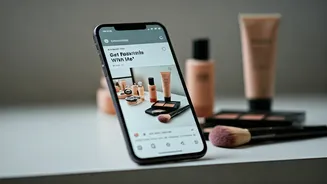
At its heart, a 'Get Ready With Me' (GRWM) video is simple: someone films themselves preparing for an event, their day, or even bed, often while sharing personal stories or thoughts. [1, 11] What began on YouTube around 2010 as a niche format for makeup
tutorials has exploded into a cultural behemoth across TikTok and Instagram, with the #GRWM hashtag garnering over 150 billion views. [8, 10] The appeal lies in its perceived authenticity and intimacy. Viewers feel like they're FaceTiming a friend, creating a strong personal connection that other content formats struggle to replicate. [1] This evolution from simple tutorials to a vehicle for storytelling is what transformed GRWM from a hobby into a powerful communication tool. [4]
The Shift to Strategic Authenticity
The transition from organic trend to retail strategy happened when brands recognized the power of that connection. The magic of GRWM is that it seamlessly integrates products into a creator's life in a way that feels natural. [2] Unlike a polished ad, seeing an influencer use a specific moisturizer or clothing item as part of their genuine routine builds a unique form of trust. [3, 6] This has given rise to a new marketing playbook where 'strategic authenticity' is paramount. Brands partner with creators, providing them with products and significant creative freedom to maintain that crucial sense of genuineness. [6, 11] The goal is for a sponsored post to feel just as real as an unsponsored one, leveraging the parasocial relationship the creator has built with their audience. [3, 8]
Inside the Retail Playbook
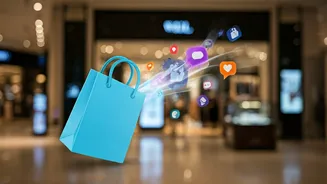
Retailers, particularly in the beauty and fashion sectors, have embraced GRWM as a cornerstone of their marketing. [7] The strategies are varied and sophisticated. Many brands collaborate directly with influencers, from micro-creators to celebrities, to feature products in their established GRWM routines. [8] Some, like Glossier and Rare Beauty, have built entire campaigns around the format, encouraging user-generated content (UGC) where customers share their own GRWM videos using the brand's products. [6, 11] This not only generates authentic social proof but also provides a treasure trove of relatable content that brands can use in their own advertising, creating a powerful feedback loop of influence and sales. [7, 8] This approach humanizes the brand, making it part of a community rather than just a seller of goods. [16]
The Billion-Dollar Influence
The financial impact of GRWM is staggering. It effectively collapses product demonstration, storytelling, and point-of-sale into a single, repeatable content unit. [10] Every step of a routine—from skincare to outfit selection—becomes a purchase opportunity. [10] This has a direct effect on consumer behavior, especially among younger demographics like Gen Z who increasingly turn to creators before making a purchase. [2] Studies show that the trustworthiness embedded in GRWM videos positively affects purchase intentions. [3] When an influencer with a loyal following recommends a product, it’s perceived as a high-value word-of-mouth recommendation, which is more powerful than traditional advertising. [13] This has turned influencers into key allies for brands seeking to maximize profits and visibility in a crowded digital marketplace. [9]
Is the Magic Gone?
As GRWM becomes increasingly commercialized, it faces an 'authenticity crisis.' [14] Audiences are savvy and can quickly detect when a recommendation feels forced or overly scripted. [13, 14] Some data suggests the format is showing signs of exhaustion, with engagement and views on GRWM posts seeing a decline. [5] The sheer volume of sponsored content has led to a rise in consumer skepticism and 'GRWM Fatigue.' [5, 9] This presents a paradox: the more brands try to harness the 'authenticity' of GRWM, the more they risk destroying the very thing that made it powerful. [9] The challenge for brands is to innovate beyond simple product placement, focusing on meaningful storytelling and genuine creator partnerships to maintain relevance. [5]