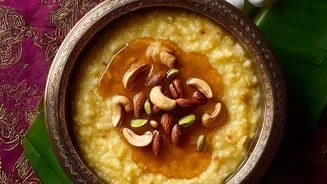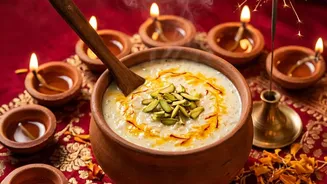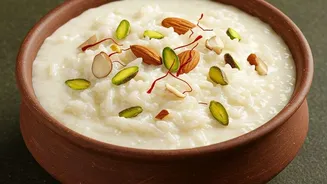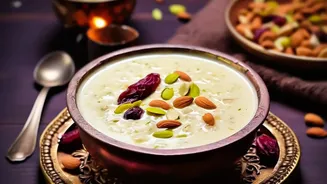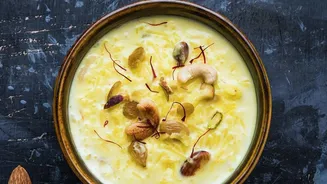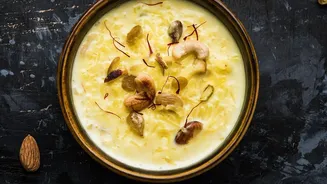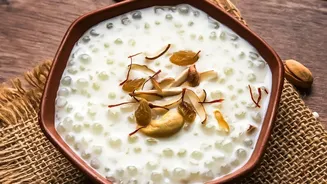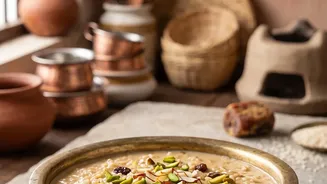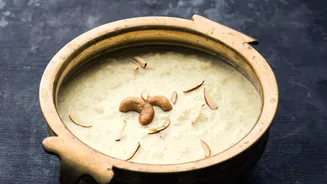

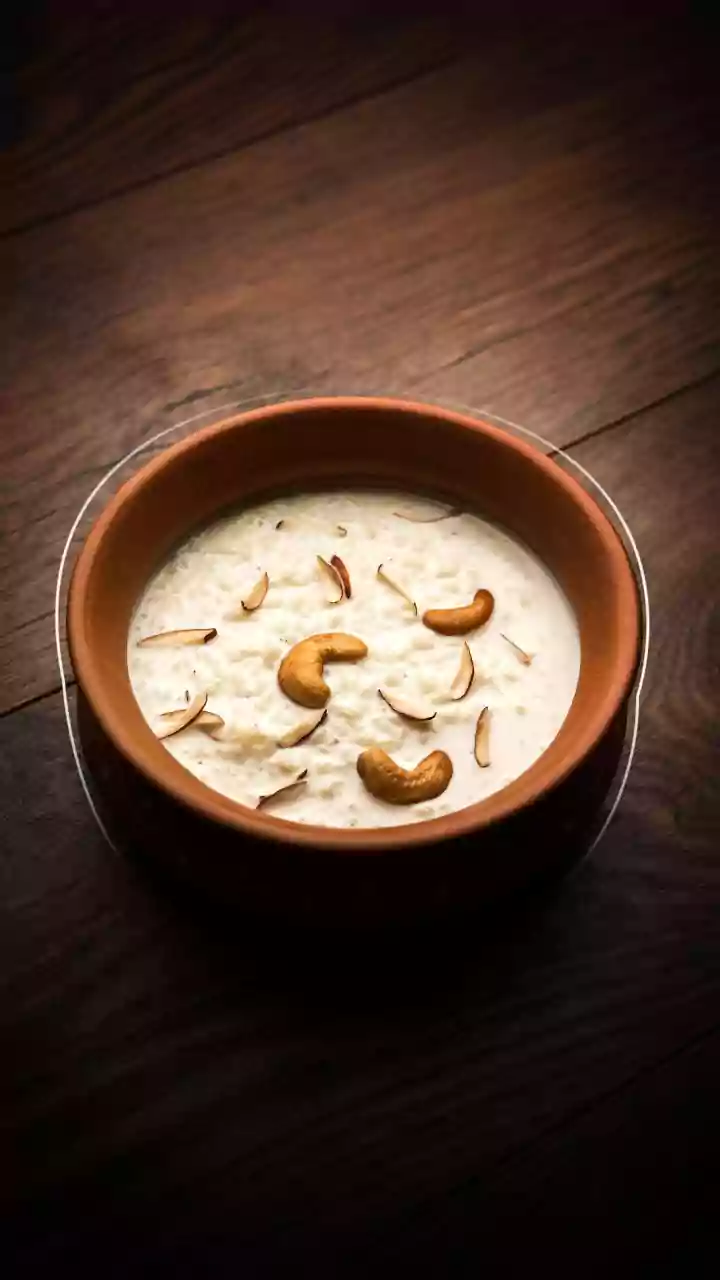

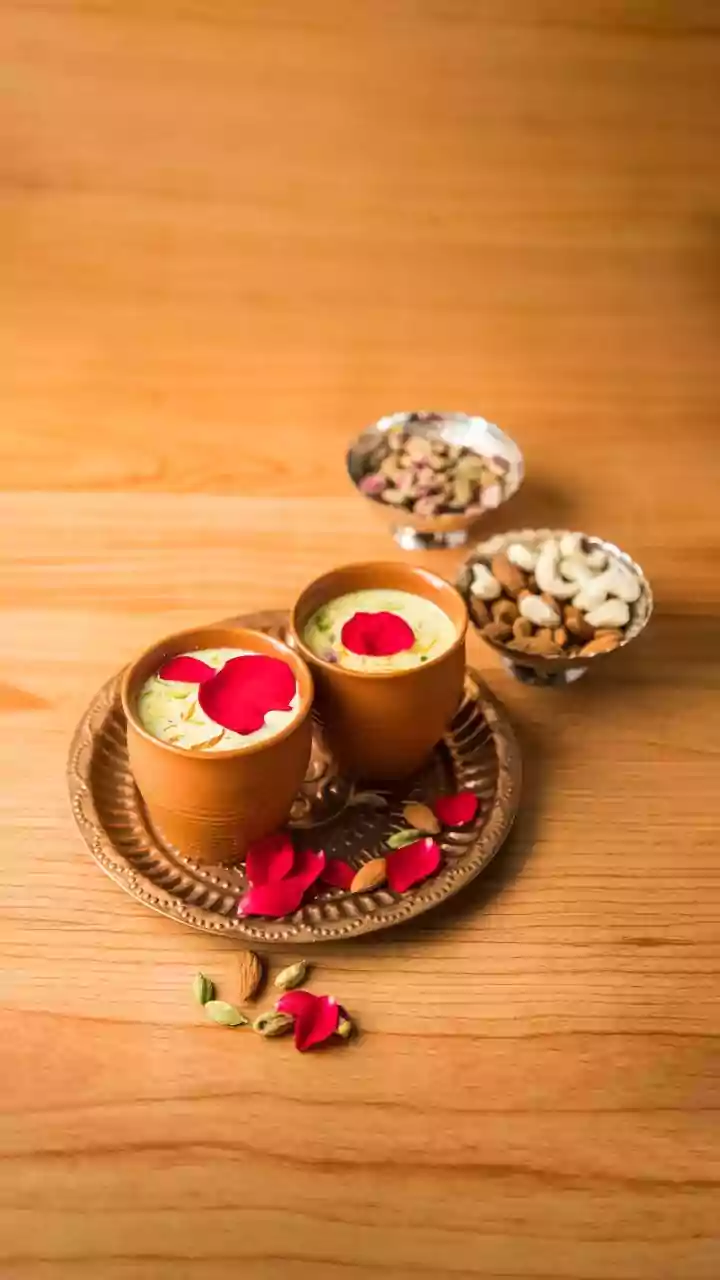
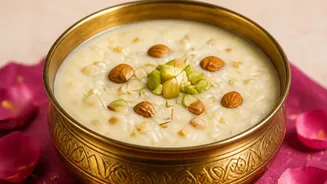
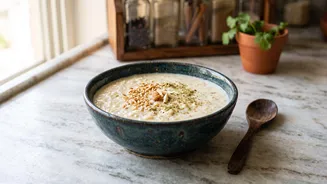
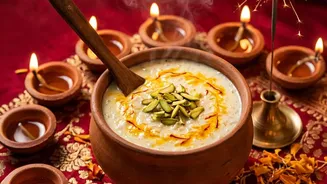
As winter arrives, our cravings turn to warm, comforting sweets. This traditional Sugarcane Kheer, or Ganne ki Kheer, offers a unique, naturally sweet alternative to typical desserts, using fresh sugarcane juice for a truly distinct flavour.
A Sweet Harvest Tradition
Ganne ki Kheer,
also known as Roh di Kheer in Punjab, is a cherished dessert, especially popular in North Indian households during the winter months. Its preparation is deeply connected to the agricultural calendar, specifically the January sugarcane harvest. This timing makes it a significant dish during winter festivals like Lohri and Makar Sankranti, which celebrate the end of winter and the bounty of the harvest. Traditionally, families would prepare this kheer to mark the occasion, using the freshly pressed juice from the sugarcane crop. One tradition involves preparing the kheer on the night of Lohri and eating it the next morning to mark the first day of the month of Magh. This connection to the harvest gives the dish a nostalgic and celebratory feel that goes beyond its simple ingredients.
Why Sugarcane Juice?
The defining characteristic of this kheer is its use of sugarcane juice as the sole sweetener, completely replacing refined sugar. This not only imparts a unique, earthy flavour that is distinct from sugar or even jaggery but also offers a different nutritional profile. While it is still a form of sugar, unrefined sugarcane juice contains trace amounts of minerals like iron, potassium, and magnesium, which are stripped away during the refining process that creates white sugar. The juice also contains antioxidants, primarily from plant-based compounds like flavonoids, though processing can reduce these. Using the fresh juice provides a more rustic and wholesome sweetness that is deeply rooted in tradition, connecting the dessert directly to its source ingredient.
Ingredients for Ganne ki Kheer
This recipe relies on a few core ingredients to create its signature taste and texture. You will need: 1 litre fresh Sugarcane Juice (ensure it has no added ginger, mint, or salt) 100g (about ½ cup) Basmati or other short-grain aromatic rice, soaked for 30 minutes 2-3 Green Cardamom pods, crushed, or ½ teaspoon Cardamom Powder A handful of mixed nuts (like almonds, pistachios, cashews), chopped 2 tablespoons Milk (optional, used to help clarify the juice) 1 teaspoon Ghee (optional, for roasting nuts)
Step-by-Step Preparation
Making Ganne ki Kheer is a process that requires some attention, but the delicious result is well worth the effort. 1. Clarify the Juice: Pour the sugarcane juice into a heavy-bottomed pan and bring it to a boil over medium heat. As it heats, a layer of scum or impurities will rise to the surface. Adding a little milk can help this process. Carefully skim this off with a ladle or fine-mesh sieve and discard it. Repeat until the juice looks clearer. 2. Cook the Rice: Once the juice is clarified, reduce the heat to low. Drain the soaked rice and add it to the pan, along with the crushed cardamom. 3. Simmer and Stir: Cook the mixture on a low flame, stirring frequently to prevent the rice from sticking to the bottom of the pan. The kheer will slowly start to thicken as the rice cooks and absorbs the juice. This process can take around 30-40 minutes. 4. Add Nuts and Finish: While the kheer simmers, you can lightly roast the chopped nuts in ghee in a separate small pan until golden for extra flavour. Once the rice is soft and the kheer has reached a creamy, pudding-like consistency, stir in the nuts. Cook for another five minutes before turning off the heat. The kheer will continue to thicken as it cools.
Tips for the Perfect Kheer
For the best results, use a fragrant rice variety like Basmati or Gobindobhog, as their aroma complements the sugarcane's sweetness. The key to a clean-tasting kheer is to be diligent about skimming the impurities from the juice as it first comes to a boil. Don't rush the cooking process; slow simmering on low heat is crucial for a creamy texture and to prevent the juice from burning. Some recipes suggest adding a splash of milk towards the end to balance the intense sweetness and add creaminess. You can serve this dessert warm, or as is traditional in some households, let it cool completely and enjoy it chilled.