

What Exactly Is Native Gardening?
Simply put, native gardening is the practice of growing plants that have naturally evolved in your specific region over thousands of years. These are not exotic or imported species, but local flora that are perfectly adapted to the area's climate, soil,
and rainfall patterns. Think of plants like Tulsi, Marigold, Hibiscus, and Curry Leaf, which are deeply familiar in Indian households. Unlike ornamental plants chosen purely for aesthetics, native plants form the very foundation of the local ecosystem. They have co-evolved with local wildlife, creating a balanced and self-sustaining environment where each species supports the others.
The Biodiversity Boost in Your Balcony
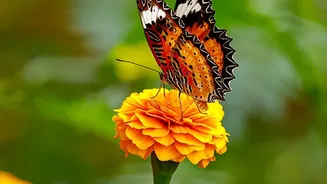
The single biggest advantage of going native is the incredible support these plants provide for local biodiversity. They offer food, shelter, and breeding grounds for a host of native insects, birds, and other animals. Many local pollinators, like specific bees and butterflies, depend on the nectar, pollen, and leaves of particular native plants they have co-evolved with. When you plant a non-native, exotic flower, it might look beautiful, but it's often invisible or unusable to local wildlife. By planting native species, you are essentially restoring a piece of the local food web. The insects that feed on your native plants then become food for birds, creating a vibrant, interconnected ecosystem right outside your window. Even a few pots can act as crucial 'stepping stones' in a larger urban green corridor, helping wildlife move between larger parks and green spaces.
Why Native Plants are Perfect for Busy Urbanites
Beyond their ecological benefits, native plants are wonderfully low-maintenance, making them ideal for urban life. Since they are naturally adapted to the local conditions, they require significantly less water, fertilizer, and pesticides. Species like Tulsi are even known for their natural pest-repellent properties. This resilience not only saves you time and money but also protects the environment from harmful chemical runoff. They are hardy and can often withstand the region's specific challenges, be it intense heat or heavy monsoons, better than their non-native counterparts. For anyone looking to garden sustainably, native plants are the most logical and rewarding choice.
Easy Native Plants for Your Container Garden
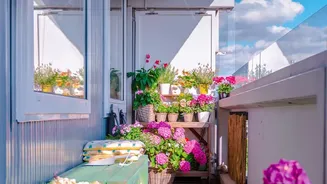
You don't need a sprawling backyard to get started. Many native Indian plants thrive in containers on balconies, terraces, and windowsills. Here are a few easy-to-grow options to kickstart your urban oasis: Aparajita (Butterfly Pea): A cheerful and easy-to-grow climber with vibrant blue flowers that grows beautifully in pots and can be trained along a railing. Hibiscus: Known for its large, colourful blooms, hibiscus is a favourite for terraces and grows very well in containers, attracting birds and pollinators. Mogra (Jasmine): Famous for its intensely fragrant white blossoms, Mogra thrives in a sunny balcony spot and fills the air with a delightful scent. Parijat (Night-flowering Jasmine): This small tree can be grown in a large container. Its fragrant flowers bloom at night and fall by morning, creating a beautiful carpet. Tulsi (Holy Basil): A staple in many Indian homes, Tulsi is hardy, requires moderate sunlight, and is revered for both its cultural and pest-repellent properties. Marigold (Genda): These bright, cheerful flowers are incredibly easy to grow in pots, handle heat well, and attract beneficial insects.
Your Simple Starter Guide
Ready to bring some biodiversity home? Starting is simpler than you think. First, observe your space to see how much sunlight it gets—most flowering plants need at least 4-6 hours. Next, choose containers with good drainage holes to prevent waterlogging, which can cause root rot. When it comes to soil, don't just use earth from a construction site. It's better to buy a quality potting mix, which is often a blend of soil, coco-peat, and compost, to give your plants a healthy start. Begin with just 3-5 easy plants to build your confidence. You can find native species at local nurseries; just ask for plants that are indigenous to your region. Regular watering is key, but be careful not to overdo it, especially during the monsoon. With a little care, your small space can become a thriving, life-giving garden.