



The Myth of the Perfect Host
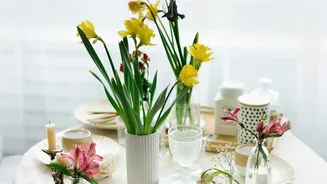
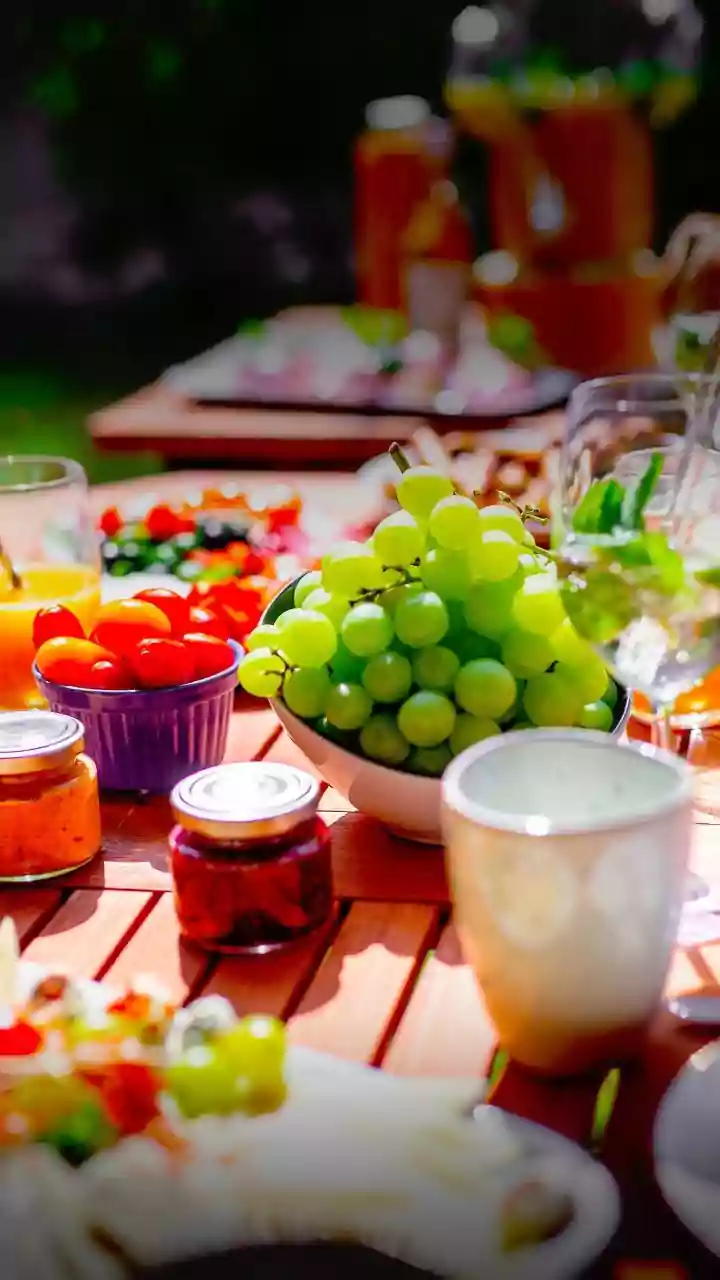
There’s a pervasive idea that to be a good host, you must present a lavish, multi-course meal that leaves guests in awe of your culinary skills. We scroll through images of elaborate tablescapes and complex dishes, internalizing the message that effort
equals care. But this ambition often backfires. Instead of fostering connection, it creates a high-pressure environment where the host is more of a stressed-out event manager than a participant in the fun. The focus shifts from the 'who' to the 'what,' and the joy of gathering gets lost in a flurry of plating, serving, and panicking over a fallen soufflé. The truth is, guests remember how they felt at your gathering far more than they remember the specifics of the food. They come for the company and conversation, not a restaurant-quality performance.
The Science of Choice Overload
The pressure isn't just in the execution; it begins with the planning. Psychologists refer to the phenomenon of “choice overload,” where having too many options leads to decision fatigue and anxiety. When you plan an overly ambitious menu, you’re not just committing to more cooking; you're burdening your brain with dozens of micro-decisions about ingredients, timing, and techniques. This mental load is exhausting before you even preheat the oven. By contrast, a simple menu—a single, show-stopping main dish, a fresh salad, and a make-ahead dessert—drastically reduces this cognitive burden. It frees up mental energy, allowing you to be calmer and more present. Restaurants have long known that smaller, curated menus not only improve kitchen efficiency but also enhance the customer experience by making choices easier and ensuring higher quality.
A Relaxed Host Sets the Tone
Your mood is contagious. In social psychology, this is known as emotional contagion—the idea that we unconsciously 'catch' the feelings of those around us. When you are stressed, rushing around, and visibly overwhelmed, your guests will pick up on that anxiety. They might feel like they are an inconvenience or become hesitant to relax and enjoy themselves. Conversely, when you are calm, present, and engaged, you give your guests permission to be the same. A relaxed host who sits down, participates in conversations, and genuinely seems to be enjoying themselves creates a warm and welcoming atmosphere. By simplifying the menu, you are not just doing less work; you are curating a more positive emotional environment for everyone at the table.
Making Room for What Matters
When the food is delicious but uncomplicated, it becomes the backdrop for the evening, not the main event. The real star of the show can be what it was always meant to be: the connection between people. A family-style dish that everyone can serve themselves from encourages interaction and a communal feeling. Fewer interruptions for complex serving procedures mean conversations can flow without being constantly broken. It shifts the goal from “impressing” to “connecting.” Think of it as the difference between a concert and a campfire. Both can be wonderful, but a campfire is where stories are told and bonds are formed. A simple menu turns your dinner table into a campfire.
What a 'Simple' Menu Actually Looks Like
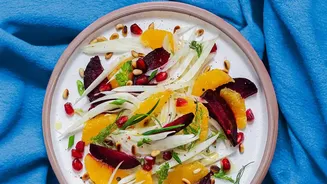
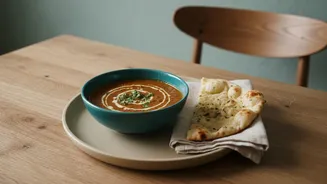
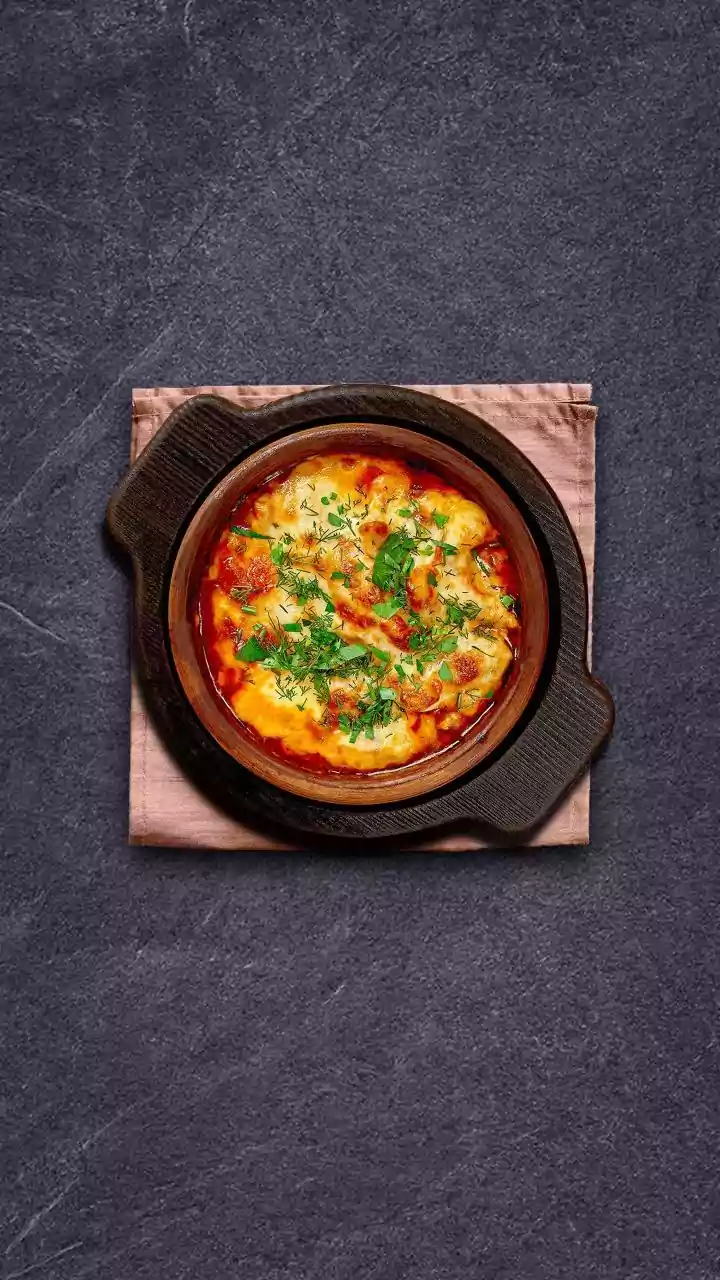
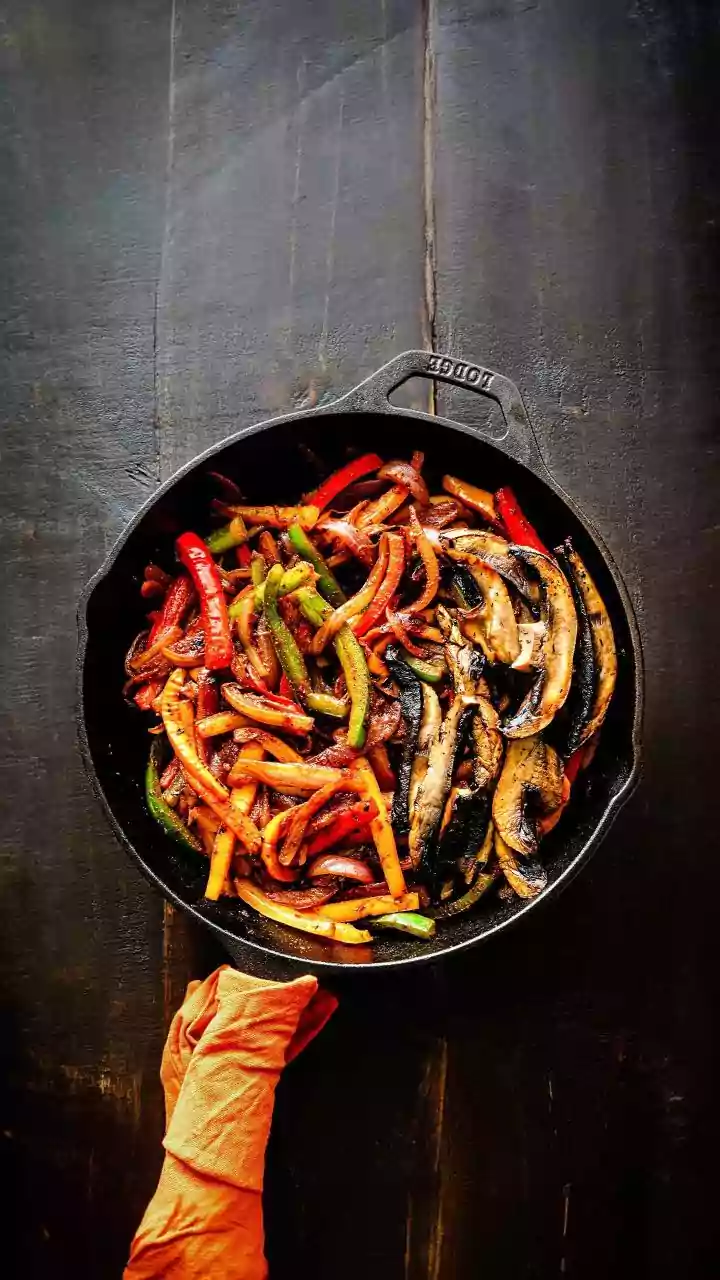
Simplifying doesn't mean compromising on quality or flavour. It means being strategic. Opt for a main course that can be largely prepared in advance, like a slow-cooked bolognese, a hearty tagine, or a roast chicken that just needs to be put in the oven. Pair it with simple, fresh side dishes—a vibrant green salad, roasted vegetables, or good quality bread. Consider a menu where guests can build their own plates, like a taco bar or a bruschetta station. And never underestimate the power of a make-ahead dessert, like a cheesecake or a simple fruit crumble, which requires no last-minute attention. The key is to choose dishes that allow you to step away from the stove and join the party.