


Sabudana Khichdi
Arguably the most iconic fasting dish in India, Sabudana Khichdi is a light yet incredibly filling preparation made from soaked tapioca pearls. It’s a staple in states like Maharashtra during vrat periods. The soft, pearly sabudana is typically tossed
with roasted peanuts for crunch, boiled potato cubes for substance, and a simple tempering of cumin seeds and green chillies in ghee. A final squeeze of lemon juice and a garnish of fresh coriander brighten up the flavours, making it a perfectly balanced meal that provides a quick burst of energy.
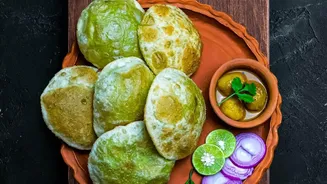
Kuttu ki Puri with Aloo Sabzi
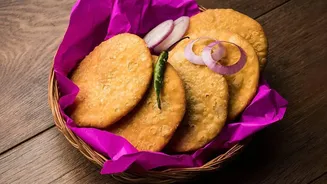
When regular grains like wheat are off the menu, kuttu ka atta (buckwheat flour) comes to the rescue. These dark, nutty-flavoured puris are delightfully crispy and a festive favourite across North India. The dough is often prepared by mixing the flour with boiled and mashed potatoes, which act as a binding agent since kuttu is gluten-free. Paired with a simple and comforting aloo sabzi—potatoes cooked in a tomato or yoghurt-based gravy seasoned with rock salt (sendha namak) and cumin—this combination makes for a deeply satisfying meal.
Samak Rice Pulao
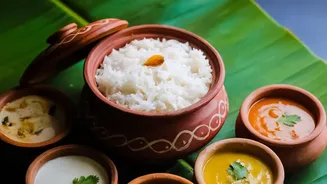
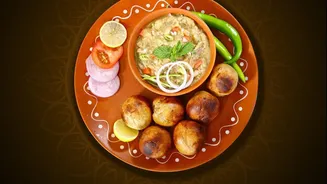
For those who miss rice during fasting, Sama ke Chawal, or barnyard millet, is the perfect substitute. This tiny, nutritious grain cooks into a soft, fluffy texture ideal for making a simple pulao or khichdi. It’s very easy to digest and versatile. The pulao is usually prepared by cooking the millet with vrat-friendly vegetables like potatoes and mild spices such as cumin, black pepper, and cloves. Peanuts or cashews can be added for extra texture and richness, creating a wholesome one-pot meal that is both light and comforting during the monsoon season.
Makhana Kheer
No festive meal is complete without a dessert, and Makhana Kheer is a popular choice during Sawan. Makhana, or fox nuts, are light, airy, and rich in nutrients. To make the kheer, these nuts are lightly roasted in ghee until crisp, then simmered in milk until it thickens. Sweetened with sugar and flavoured with aromatic green cardamom and saffron, this creamy dessert is a sattvic delight. Garnished with slivered almonds and pistachios, it’s a guilt-free indulgence that is both cooling and nourishing.
Singhare ke Atte ka Halwa
Another special flour used during fasting is singhare ka atta, or water chestnut flour. It has a distinct brownish colour and earthy flavour that lends itself beautifully to a rich halwa. The flour is first roasted in a generous amount of ghee until it turns aromatic and darkens in colour. A sugar syrup or a mixture of hot milk and sugar is then added, and the concoction is cooked until it thickens and leaves the sides of the pan. This dense, crumbly sweet treat is often flavoured with cardamom and garnished with nuts, offering a warm and comforting end to a fasting day.
Vrat Wale Dahi Aloo
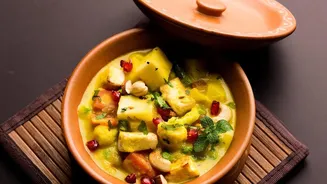
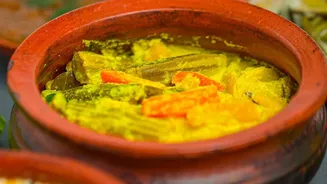
Potatoes are a saviour during fasts, and this simple curry demonstrates their versatility. Vrat Wale Dahi Aloo is a light, tangy potato curry made with a yoghurt-based gravy instead of the usual onion and tomato base. Boiled potato chunks are simmered in a creamy sauce made from whisked curd, seasoned with rock salt, black pepper, and green chillies. It’s a classic comfort dish that is quick to prepare and pairs wonderfully with Kuttu ki Puri or Rajgira Paratha. The yoghurt provides a cooling effect, which is considered beneficial when eating heat-generating ingredients like buckwheat flour.
Fruit Chaat
The simplest and most refreshing dish on any fasting menu is a fresh fruit chaat. It’s an essential part of the Sawan diet, providing natural sugars, hydration, and vital nutrients to maintain energy levels. A colourful mix of seasonal fruits like apples, bananas, pomegranates, and papaya is chopped and tossed together. Instead of regular chaat masala, it is seasoned simply with sendha namak (rock salt), a pinch of black pepper, and a sprinkle of roasted cumin powder. A dash of lemon juice brings all the flavours together, creating a snack that is both cleansing and delicious.