



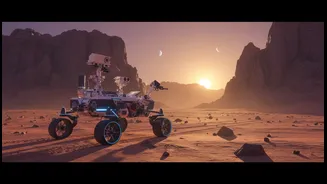


From Lone Rovers to Robotic Teams
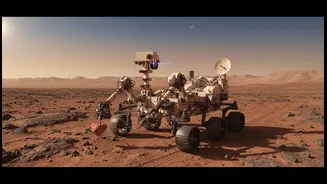
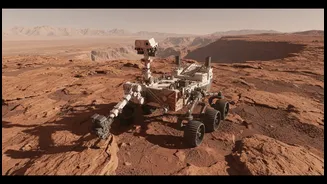
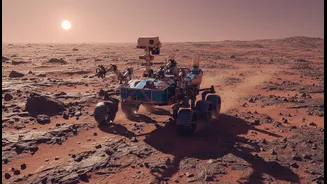
The classic image of a Mars mission is a single, sophisticated rover carefully navigating the rust-colored landscape, receiving commands from millions of miles away. While rovers like Curiosity and Perseverance have been incredibly successful, they represent
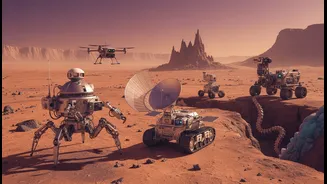
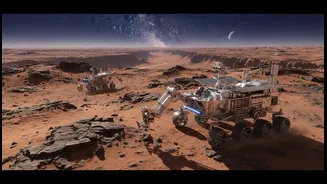
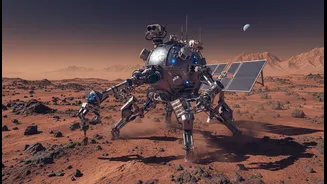
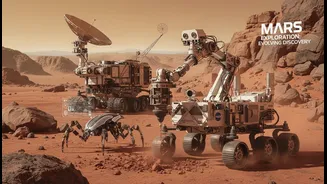
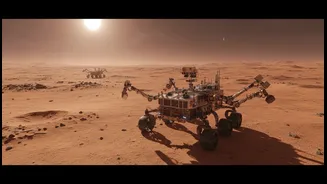
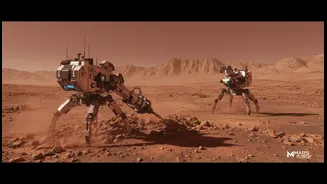
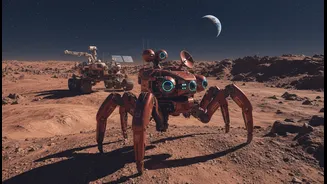
a single point of failure. A mission can end if one critical component breaks. NASA’s new strategy involves deploying multiple, smaller robots that work together. This approach is being spearheaded by a technology demonstration called CADRE (Cooperative Autonomous Distributed Robotic Exploration). Though its first test will be on the Moon in 2026, the technology is being developed with Mars and beyond in mind. The idea is to replace a single, high-stakes explorer with a resilient, adaptable team. These shoebox-sized rovers are designed to communicate with each other and a lander base station, forming a local network on another world.
A Leap in Robotic Intelligence
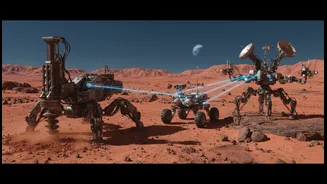
The 'smarter' aspect of this new effort lies in autonomy. Instead of waiting for step-by-step instructions from human operators on Earth, which involves significant time delays, CADRE robots will make many decisions for themselves. Using advanced software, the team of rovers can elect a 'leader' for a given task, collectively analyze their environment, and distribute jobs among themselves to achieve a high-level goal assigned by mission control. This is a fundamental shift from the current exploration model. It allows the robots to react to their surroundings in real-time, cover more ground, and conduct more complex science. For instance, they can arrange themselves in a specific formation to perform ground-penetrating radar scans, creating a 3D map of the subsurface that would be impossible for one rover to achieve alone. This cooperative autonomy is seen as the next key step in boosting the efficiency and scientific return of planetary missions.
Safety Through Cooperation
The multi-robot approach directly addresses mission safety. If one rover in a team malfunctions or gets stuck, the others can continue the mission, relaying data and potentially even assessing the problem with their teammate. This built-in redundancy dramatically reduces the risk of total mission loss that comes with relying on a single, complex machine. This 'safety in numbers' principle will be critical for more ambitious exploration goals, such as venturing into hazardous but scientifically rich terrain that might be deemed too risky for a solo rover. Furthermore, this technology isn't limited to just rovers. The long-term vision is an ecosystem of robotic systems—including rovers, stationary landers, and even aerial drones like the next-generation SkyFall helicopters—working in concert. This distributed network makes exploration more robust and resilient against the harsh realities of an alien world.
Paving the Way for Human Explorers
Ultimately, these smarter and safer robotic teams are precursors to human missions. Before sending astronauts to Mars, we need to scout landing sites, identify resources like water ice, and understand potential hazards. Teams of autonomous robots are perfect for this preparatory work. They can efficiently map large areas, build 3D subsurface models to find hidden resources, and establish a foundational understanding of the local environment. NASA’s STRIDE initiative, which recently awarded contracts to seven companies, is also focused on developing next-generation mobility systems for Mars, including both surface and aerial platforms capable of reaching difficult terrain. By sending these robotic teams ahead, NASA can create a much safer and more productive environment for the eventual arrival of human explorers, allowing astronauts to focus on tasks that require a human touch while robots handle the dangerous and repetitive work.