



The Tale of Two Seeds
At a glance, chia seeds and sabja (also known as basil seeds or tukmaria) look remarkably similar. Both are small, dark, and form a gel-like coating when soaked in water. This resemblance is a common source of confusion, but these seeds come from different
plants, have different origins, and offer unique nutritional benefits. Their growing presence in Indian breakfasts, from smoothies to simple glasses of infused water, reflects a wider trend of blending global superfoods with traditional wellness wisdom.
Chia: The Global Wellness Star
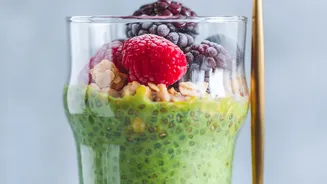
Chia seeds originate from the Salvia hispanica plant, native to Mexico and Guatemala, where they were a diet staple for Aztec and Mayan cultures. Their global popularity skyrocketed due to their impressive nutritional profile. Chia seeds are celebrated for being a rich source of plant-based omega-3 fatty acids (specifically ALA), protein, and fibre. They are also packed with essential minerals like calcium and magnesium. When soaked, they absorb up to 12 times their weight in water, creating a thick, pudding-like gel that aids digestion and promotes a feeling of fullness, which can help with weight management. This versatility makes them an easy addition to overnight oats, puddings, and smoothies.
Sabja: India’s Hydration Hero
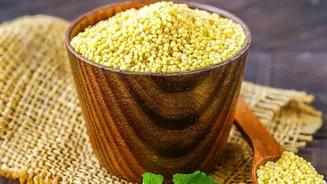
Sabja seeds, on the other hand, are from the sweet basil plant (Ocimum basilicum) and have been a mainstay in Indian and Southeast Asian traditions for centuries. Many Indians will recognise them from the popular dessert drink, falooda, or as a cooling addition to sherbets and lemon water during scorching summers. In Ayurveda, sabja seeds are known for their cooling properties (Shita Virya), which help reduce body heat and soothe the stomach. They are a fantastic source of soluble fibre and are particularly rich in iron. Unlike chia, sabja seeds swell up almost instantly, within about 15 minutes, making them perfect for quick-to-prepare hydrating drinks.
A Head-to-Head Comparison
While both seeds are healthy, their nutritional strengths differ. Chia seeds generally offer more omega-3s, protein, and calcium, making them a great choice for bone health and sustained energy. Sabja seeds, however, are a better source of iron, which is a significant advantage in many Indian diets. Appearance-wise, chia seeds are typically a mix of grey, black, and white oval-shaped seeds, whereas sabja seeds are uniformly jet-black and more rounded. Sabja seeds must be soaked before consumption, while chia can technically be eaten raw (though soaking is recommended). Another practical difference is cost; sabja seeds are often more economical and widely available in local Indian markets.
How to Use Them in Your Morning
Incorporating these seeds into your morning is simple. For chia seeds, a popular method is to make an overnight pudding by mixing two or three tablespoons with a cup of milk or yoghurt and letting it set in the fridge. They can also be blended into smoothies or sprinkled over oatmeal. For sabja seeds, the quickest way is to soak one or two teaspoons in a glass of water for about 15-30 minutes until they swell. This sabja water can be drunk on an empty stomach, perhaps with a squeeze of lemon and a touch of honey for flavour. Some health experts even suggest combining both seeds, soaked overnight, for a powerful gut-healthy morning drink.