





Wash and Chop Veggies All at Once
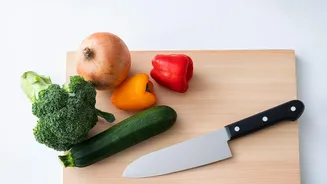
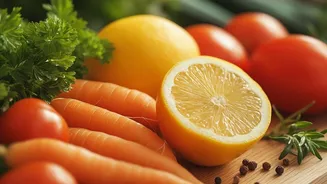
The biggest hurdle to cooking is often the prep work. Set aside 30 minutes to an hour after you get groceries to wash and chop all your vegetables for the week. Onions, bell peppers, carrots, broccoli, and zucchini can all be prepped in advance. Store
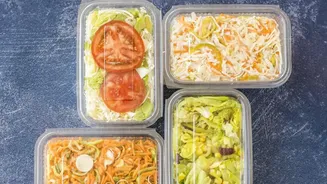
them in airtight containers in the fridge. Some sources suggest adding a damp paper towel to help maintain freshness for items like celery or sliced peppers. This single step transforms cooking from a chore into a quick assembly job. When you're ready to make a stir-fry or a salad, your ingredients are ready to go.
Batch Cook Grains and Legumes
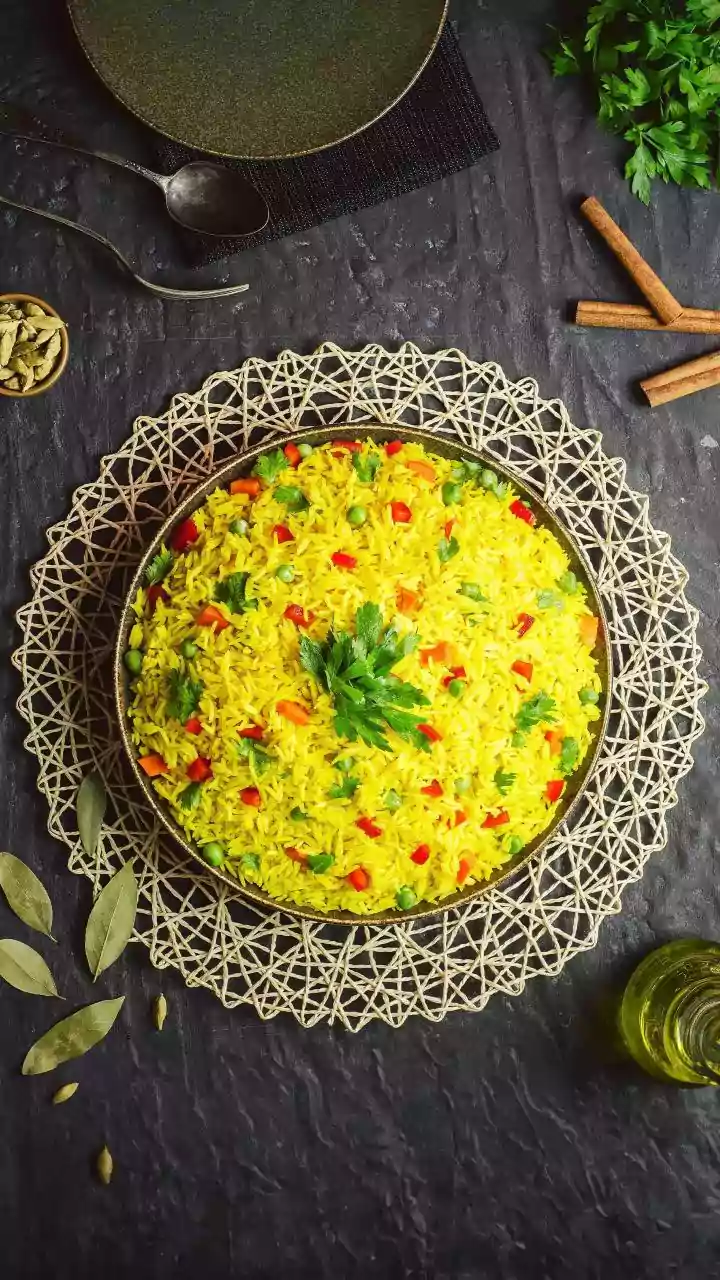
Grains and legumes are the filling, protein-packed foundation of many vegetarian meals. Cook a large pot of rice, quinoa, lentils, or farro at the beginning of the week. Let them cool completely before storing them in the fridge. These can then be used as a base for grain bowls, added to soups and stews, or mixed into salads. Canned beans are also a huge time-saver; simply rinse a can of chickpeas or black beans and they're ready to be added to wraps or mashed for a quick sandwich filling.
Roast a Big Tray of Vegetables
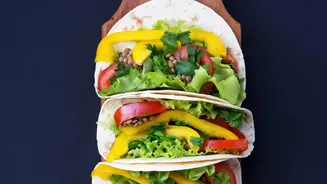
Sheet pan roasting is a student's best friend because it requires minimal effort and cleanup. Toss hearty vegetables like sweet potatoes, carrots, Brussels sprouts, and cauliflower with a bit of oil and your favorite spices, then roast until tender and slightly caramelised. Store these roasted veggies in a container in the fridge. You can add them to pasta, pile them onto toast with some hummus, mix them with your batch-cooked quinoa for a warm bowl, or tuck them into a tortilla for a quick and satisfying dinner.
Master a Few Versatile Proteins
Having ready-to-eat protein sources is key to making your meals satisfying. You can press and bake a block of tofu, then cut it into cubes for adding to stir-fries or salads. Hard-boil half a dozen eggs for quick snacks or to slice over avocado toast. If you like paneer, you can pan-fry cubes until golden and keep them refrigerated. Another easy option is to make a big batch of lentil patties or falafel which can be used in burgers, wraps, or on top of salads throughout the week.
Create Your Own 'Flavour Bombs'
A good sauce or dressing can turn a boring bowl of ingredients into a delicious meal. Instead of buying expensive store-bought versions, make your own in minutes. Whisk together a simple vinaigrette with olive oil, vinegar, and mustard. Blend a batch of pesto using fresh basil. A simple peanut sauce made from peanut butter, soy sauce, and a little water can elevate noodles or roasted vegetables. Store these 'flavour bombs' in jars in the fridge to instantly add excitement to your prepped components.
Assemble Grab-and-Go Jars
For lunches you can take to campus, the mason jar salad is a classic for a reason. The trick is in the layering. Start with the dressing on the bottom, followed by hard ingredients like chickpeas, chopped carrots, or quinoa. Next, add softer vegetables and protein like tofu or cheese. Finally, top it all with leafy greens like spinach or lettuce. When you're ready to eat, just shake the jar to distribute the dressing. You can also create overnight oats in jars for a breakfast that's ready the moment you wake up.