

The End of the All-White Kitchen
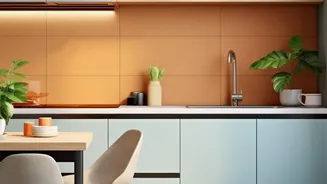
For years, the ideal kitchen was a study in minimalism—gleaming white surfaces, cool-toned metals, and an almost clinical absence of clutter. But design trends are shifting away from this uniform look towards spaces that feel more personal, warm, and lived-in.
Homeowners, particularly younger generations, are now seeking texture, character, and a connection to natural materials. This has opened the door for a return to more traditional, handcrafted elements that tell a story. The desire for a calm, grounded home environment is leading people to choose materials that feel familiar and authentic, creating a backlash against the mass-produced, cookie-cutter styles that once dominated social media feeds.
Why Terracotta, and Why Now?
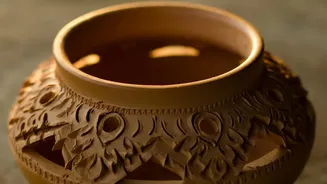
Terracotta, which literally means "baked earth" in Italian, is at the forefront of this movement. Its appeal lies in its simplicity and inherent connection to nature. The warm, sun-baked tones of clay introduce an organic element that instantly makes a space feel more inviting. This trend is closely linked to the rise of biophilic design, which focuses on incorporating natural materials, light, and plants into our interiors to improve well-being. In a high-tech world, the imperfections and tactile quality of handmade clay offer a grounding, mindful escape. Furthermore, terracotta is a durable and sustainable material, aligning with a growing consumer desire for eco-conscious choices in the home.
More Than Just Plant Pots
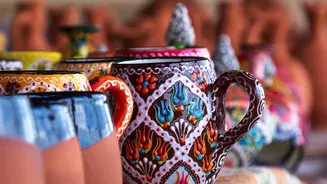
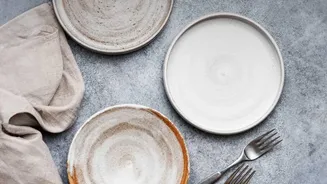
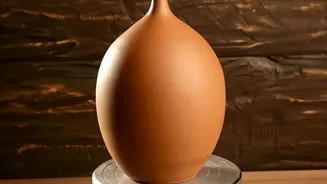
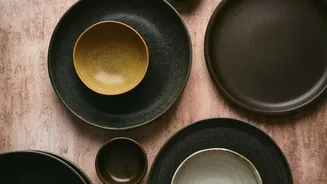
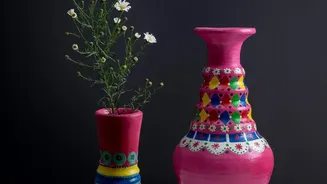
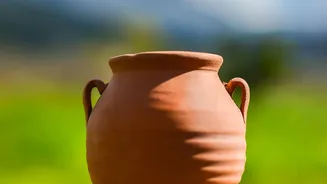
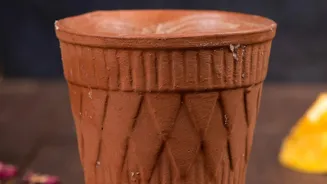
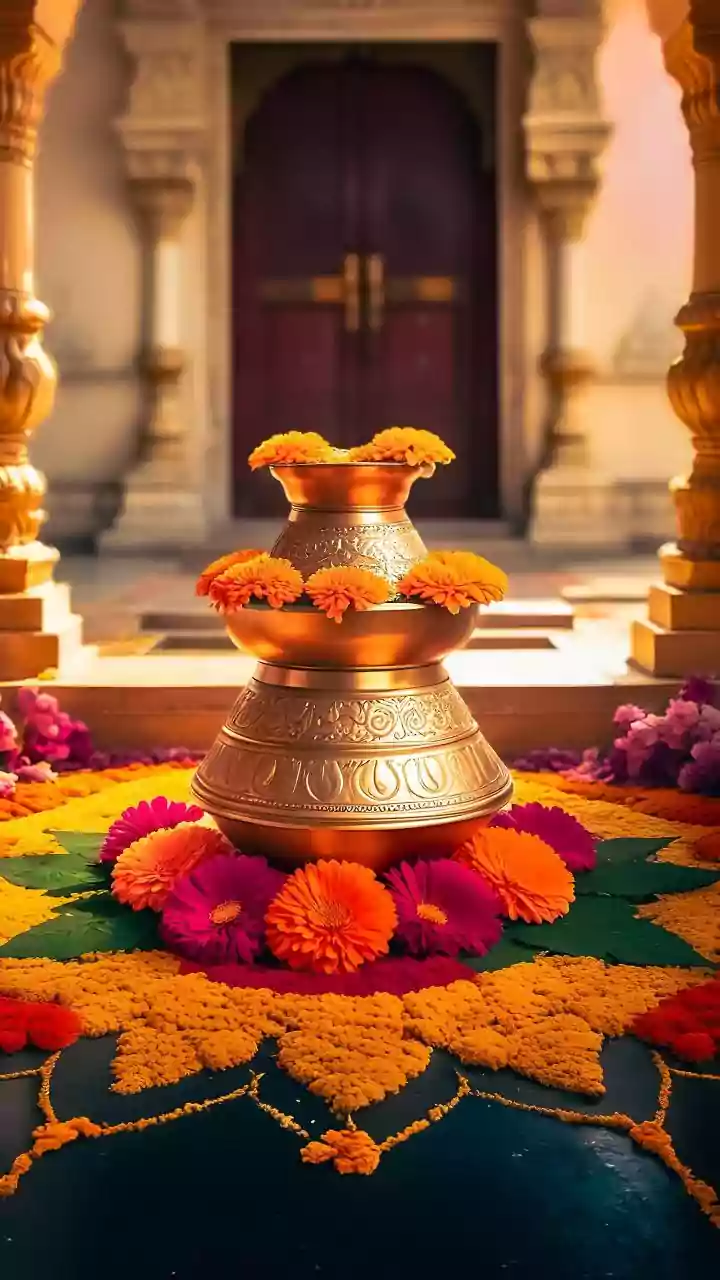
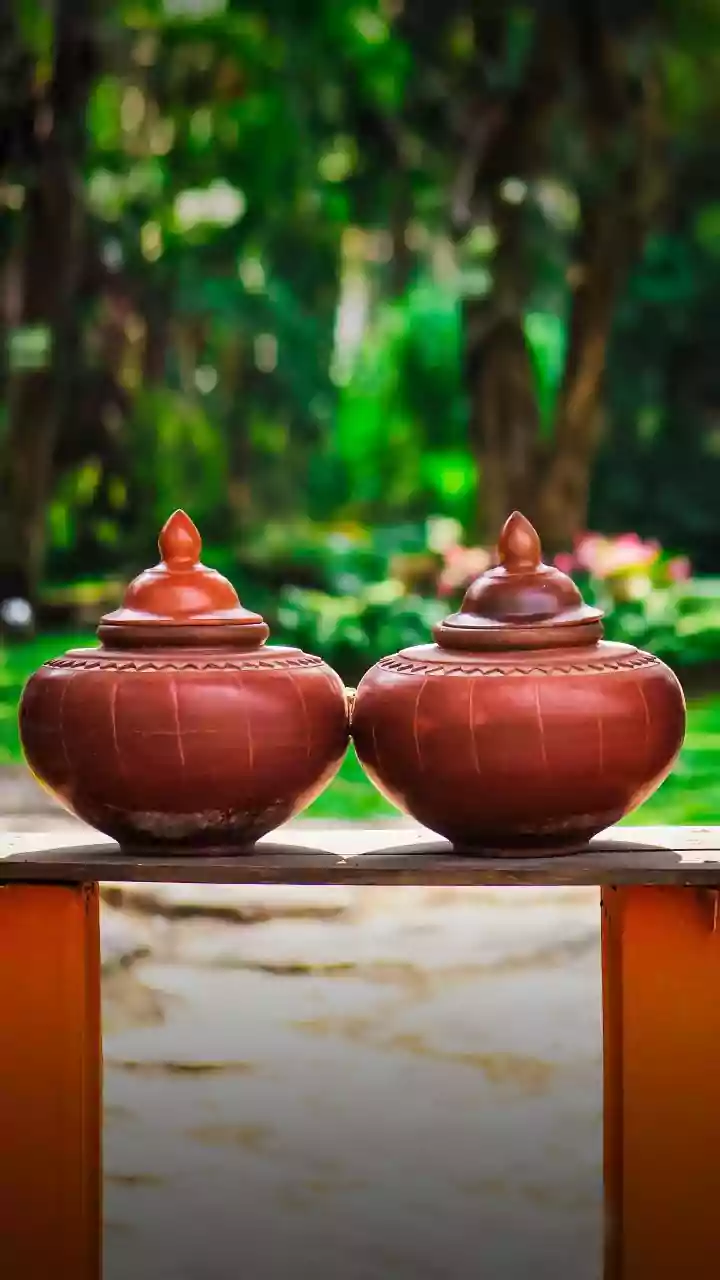
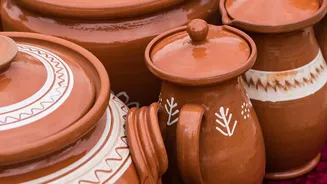
While terracotta planters have always been a garden staple, its modern revival sees the material used in far more sophisticated ways. In the kitchen, this translates to a wide range of items. Think handcrafted dinner plates with a matte glaze, rustic water pitchers, and sculptural vases for countertops. We are also seeing terracotta used for storage canisters, serving bowls, and even handmade teapots and bread bakers. Modern artisans are reimagining the material with contemporary shapes, subtle glazes, and minimalist forms that prevent it from looking dated. From pendant lights with clay shades to terracotta-toned tile backsplashes, the material is being used to add a touch of warmth and texture without overwhelming the space.
The Gen Z Connection to Clay
Gen Z's embrace of terracotta is about more than just aesthetics; it's a reflection of their values. This generation is moving away from the perfectly polished and filtered look, opting instead for authenticity and character. Handcrafted pottery, with its unique imperfections, offers a tangible connection to the maker and a story that mass-produced items lack. The trend also taps into a desire for 'slow living' and sustainability. Choosing durable, natural materials over disposable plastic is a conscious decision. Social media platforms have played a huge role, with creators showcasing thrifted finds and artisanal pieces, inspiring others to cultivate a more personal and eclectic style that rejects fleeting trends in favor of timeless, meaningful objects.
A Timeless Material for Modern Living
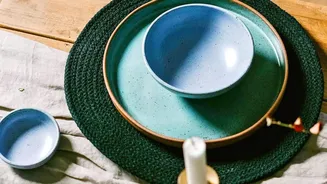
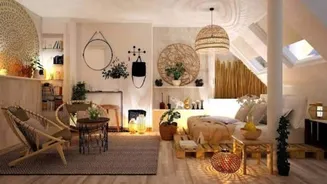
One of the greatest strengths of terracotta is its history. The material has been used for thousands of years across countless cultures, from ancient Roman architecture to traditional pottery around the world. This longevity ensures that incorporating it into your home feels less like chasing a trend and more like investing in a timeless classic. It pairs beautifully with other natural materials like wood, linen, and stone, and complements a wide range of color palettes, from soft neutrals to deep greens and blues. Whether your style is bohemian, minimalist, or modern rustic, a touch of terracotta can add depth and an earthy sophistication that feels both current and enduring.