






The Rise of the Heritage Walk
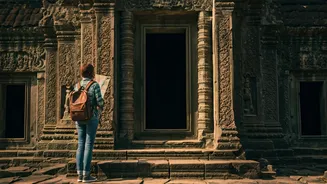
There's a quiet revolution happening in Indian travel. After years of whirlwind tours and jam-packed itineraries, a growing number of travellers are seeking something more meaningful. They’re trading air-conditioned buses for comfortable walking shoes
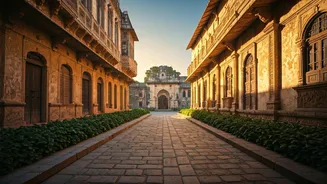
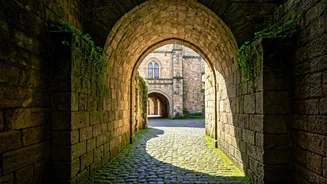
and discovering that the soul of a place is often found in its narrow lanes, bustling bazaars, and untold stories. Central India, a region often overshadowed by the Golden Triangle or the beaches of the south, has emerged as an unlikely hero in this narrative. States like Madhya Pradesh, rich with forgotten kingdoms and architectural marvels, are perfectly suited for this slow, immersive form of tourism. A heritage walk isn't just a tour; it's a conversation with the past, where every corner turned reveals another layer of history, culture, and life.
1. Orchha: The Hidden Kingdom
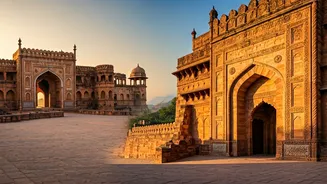
Frozen in time on the banks of the Betwa River, Orchha is the stuff of fairy tales. While its grand palaces and cenotaphs (chhatris) are magnificent, the real magic of Orchha is revealed on foot. A walking tour here takes you through a landscape dotted with Bundela architecture, from the formidable Orchha Fort complex to the ornate Raja Mahal. You can wander through the quiet courtyards of Jahangir Mahal, cross the medieval bridge, and find a serene spot to watch the sunset over the cenotaphs. Local guides bring the town to life with tales of valiant kings and courtly intrigue. The walk connects the major monuments with the living village, where life continues amidst centuries-old ruins, offering a perspective no vehicle can provide.
2. Mandu: A Saga of Love and Architecture
Perched on a lush, monsoon-green plateau, Mandu is a city built for romance and reflection. The history of this fortified city is dominated by the legendary love story of Sultan Baz Bahadur and the beautiful singer Rani Roopmati. A walking tour in Mandu is like stepping into a historical poem. You can trace their story from the sprawling Jahaz Mahal (Ship Palace), which seems to float between two artificial lakes, to the Rewa Kund, where Roopmati worshipped. The walk culminates at her pavilion, offering a breathtaking view of the Narmada valley below. The path meanders through majestic gateways, deserted mosques, and stunning examples of Afghan architecture. Walking allows you to appreciate the scale of the ancient city and feel the echoes of its glorious, and ultimately tragic, past.
3. Gwalior: A Fort and Its City
Gwalior is dominated by its colossal hill fort, famously described as 'the pearl amongst the fortresses of Hind'. While the fort itself requires a vehicle to explore fully, the true heritage walking experience lies in the old city at its base and the paths leading up to it. A walk can start from the eastern gate, taking you past magnificent rock-cut Jain sculptures, before ascending to the Man Singh Palace with its dazzling blue-tiled facade. Another route explores the historic core of Gwalior, a labyrinth of lanes where you can discover the tomb of Tansen, the legendary musician from Akbar's court, and witness the unique blend of Mughal and Maratha influences. It’s a walk that connects military might, artistic legacy, and the vibrant pulse of a modern city living in the shadow of its formidable history.
Why This Trend Is Here to Stay
The growing popularity of heritage walks is more than just a passing fad. It reflects a fundamental shift towards sustainable and responsible tourism. These tours are often led by local guides, ensuring that tourism revenue directly benefits the community. They have a minimal environmental footprint and encourage a deeper appreciation for conservation. For the traveller, it offers a more authentic connection to a place. You notice the intricate carvings on a temple wall, smell the spices from a local market, and hear the stories that history books leave out. It’s about collecting memories, not just photographs, and understanding that some of India’s greatest treasures are best discovered one step at a time.