







Start with the FSSAI Number
Every legitimate packaged food product sold in India must have a 14-digit FSSAI license number printed on it. This number is your first checkpoint. It confirms that the food business operator (FBO) is registered with the food safety authority. You can
verify this number's authenticity and check the license status by visiting the FSSAI's Food Safety Compliance System (FoSCoS) web portal. The presence of this number signifies that the business is legally accountable for the product's safety and quality, though it doesn't automatically guarantee purity or the accuracy of all claims.
Decoding the Ingredient List
The ingredient list is one of the most powerful tools for a consumer. FSSAI mandates that all ingredients be listed in descending order by weight. This means the first ingredient listed is the most prominent one in the product. If you pick up a product marketed as a 'Millet Health Drink' and the first ingredient is sugar or wheat flour, you're not getting what the front of the package suggests. This simple rule helps you see past the marketing and understand the true composition, exposing products that might be mostly sugar or refined flour despite their healthy-sounding names.
Scrutinizing Health and Nutrition Claims
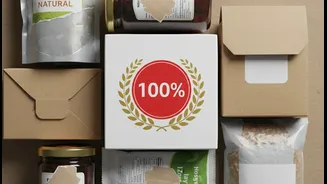
FSSAI has specific regulations, known as the Food Safety and Standards (Advertising and Claims) Regulations, 2018, to prevent misleading information. Claims like “natural,” “fresh,” “organic,” or “healthy” must be scientifically substantiated and meet defined criteria. For example, a product cannot be called 'natural' if it contains artificial additives. Similarly, claims like “immunity-boosting” or “high protein” must be backed by the product's actual nutritional profile. Be wary of vague promises; if a claim isn't supported by clear data in the nutrition panel, it's likely just a marketing tactic. Penalties for misleading claims can be severe, including fines up to ten lakh rupees.
Using FSSAI's Digital Arsenal
FSSAI has empowered consumers to be the 'eyes and ears' of the regulatory system. The 'Food Safety Connect' app and web portal are key tools in this effort. These platforms allow you to not only verify FSSAI licenses but also to lodge complaints about unsafe food, poor hygiene, or misleading labels. You can upload pictures of the product, its packaging, and any misleading claims as evidence. This system directs your complaint to the relevant authorities for investigation and action, strengthening enforcement and holding businesses accountable.
Understanding the Nutrition Facts
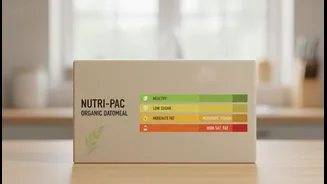
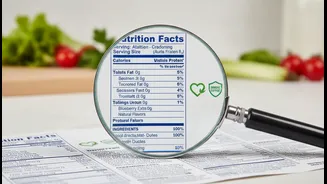
The nutritional information panel is mandatory and provides a breakdown of the energy (calories), protein, carbohydrates (including total sugars), and fat per 100g/100ml or per serving. This is where you can verify claims like “low fat” or “sugar-free.” Pay close attention to the serving size, as manufacturers sometimes use an unrealistically small serving to make the numbers look better. Also, check for declarations of allergens, additives, and the mandatory green dot for vegetarian or brown dot for non-vegetarian products. This data allows you to compare products and make choices that align with your dietary goals.