


Dhaniya Panjiri
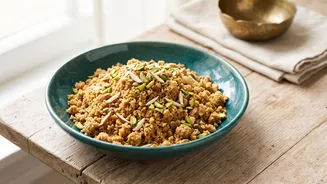
A quintessential Janmashtami prasad, Dhaniya Panjiri is a nutritious and aromatic preparation made especially for the festival. It’s a simple dry mixture that holds deep cultural significance. To prepare it, begin by dry roasting one cup of coriander
seeds until they release a rich aroma, then grind them into a coarse powder. In a separate pan, heat three to four tablespoons of ghee and lightly fry a quarter cup of chopped nuts like almonds and cashews. Add the ground coriander powder and roast for another minute. Once done, turn off the heat and let the mixture cool. Finally, mix in half a cup of powdered sugar, two tablespoons of grated dry coconut, and half a teaspoon of cardamom powder. This wholesome offering is a staple of Janmashtami puja.
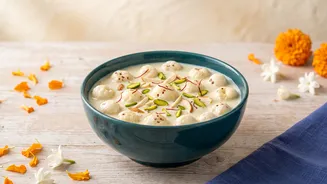
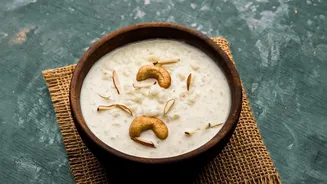
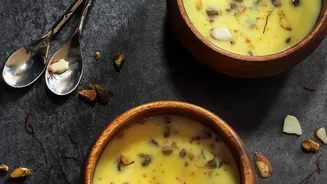
Makhana Kheer
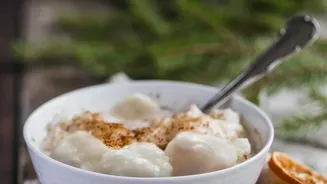
A creamy and delightful pudding, Makhana Kheer (lotus seed pudding) is a perfect festive dessert that's both light and satisfying. To make this kheer, start by roasting one cup of makhana (fox nuts) in two tablespoons of ghee until they become crisp. Lightly crush them once they cool down. In a heavy-bottomed pan, bring half a litre of milk to a boil. Add the crushed makhana and let it simmer until the seeds become soft and the milk thickens. Stir in two tablespoons of sugar, a pinch of cardamom powder, and a handful of chopped dry fruits. This kheer can be served warm or chilled and is a favourite offering for Lord Krishna.
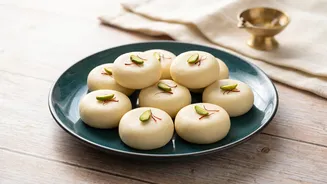
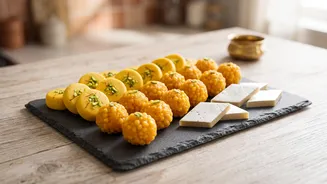
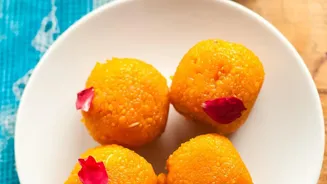
Mathura ke Pede
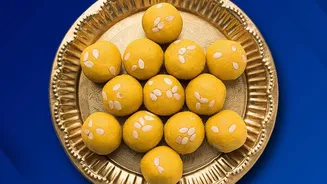
Originating from Krishna's birthplace, Mathura Peda is a rich, caramel-coloured sweet that is synonymous with Janmashtami. An instant version can be made at home easily. Heat two tablespoons of ghee in a pan and add one cup of milk powder, roasting it on low heat until it turns a deep golden brown. Slowly add half a cup of milk, stirring continuously to form a smooth, mawa-like mixture. Remove this from the heat and let it cool until it's just warm to the touch. Then, add half a cup of powdered sugar and half a teaspoon of cardamom powder, mixing well. Shape the mixture into small, flat rounds to create the iconic pedas.
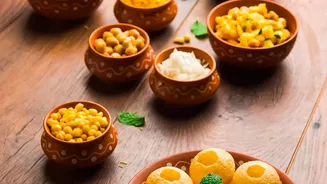
Gopalkala
Gopalkala, also known as Dahi Poha, is a savoury dish that is believed to be a favourite of Lord Krishna. It represents the meal he would share with his friends, the gopalas (cowherds). To make this no-cook prasad, take one cup of beaten rice (poha) and rinse it gently. In a bowl, combine the poha with half a cup of yogurt, one finely chopped cucumber, and salt to taste. For the tempering, heat a tablespoon of ghee, add cumin seeds, a chopped green chilli, and grated ginger. Pour this tempering over the poha mixture, add some grated coconut, and mix well. It’s a refreshing and wholesome offering.
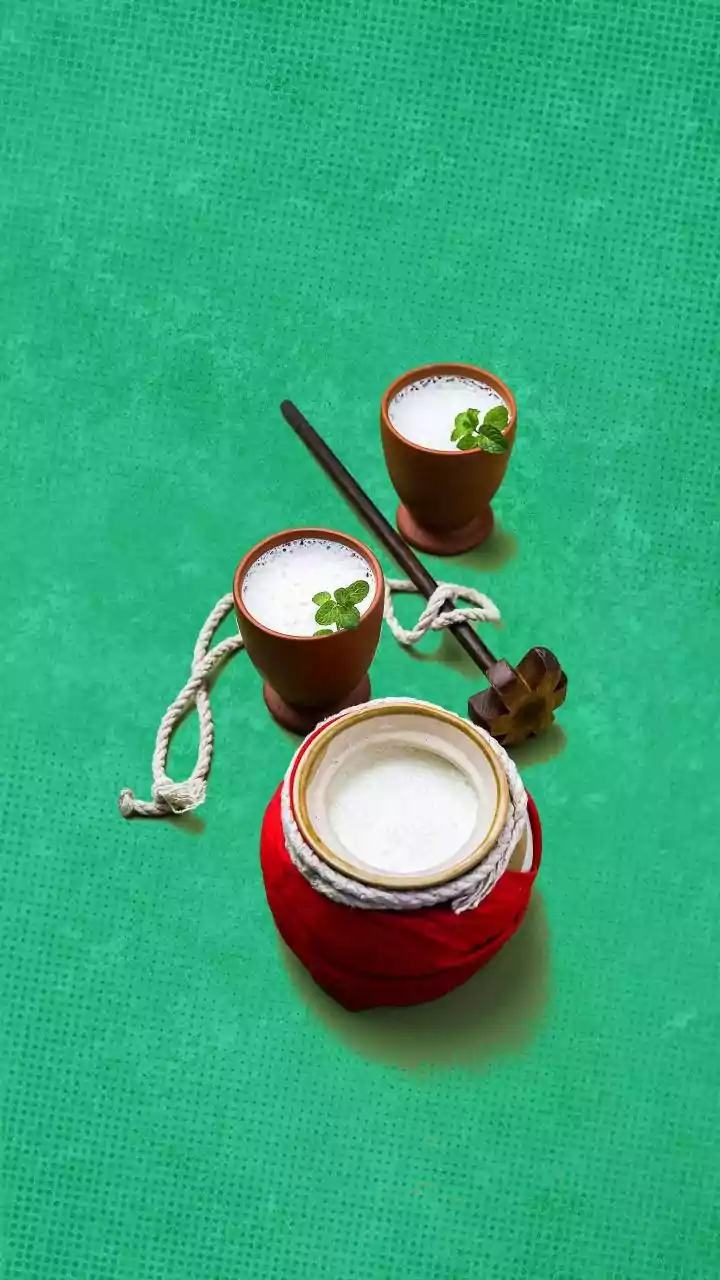
Makhan Mishri
Perhaps the simplest and most significant offering for Janmashtami is Makhan Mishri. It celebrates Krishna's childhood love for fresh butter, earning him the affectionate name 'Makhan Chor' (Butter Thief). The bhog consists of just two ingredients: freshly churned white butter (makhan) and rock sugar (mishri). To prepare, place fresh, unsalted white butter in a clean bowl. Gently mix in some mishri crystals. This offering symbolizes purity, sweetness, and the simple, profound love of devotees for Krishna. It is often the first bhog offered at midnight during the birth celebrations.
Sabudana Tikki
For those observing a fast (vrat), Sabudana Tikki is an excellent choice. These crispy patties are both delicious and provide energy. First, wash and soak one cup of sabudana (tapioca pearls) for at least four to five hours, then drain the water completely. In a bowl, mix the soaked sabudana with two boiled and mashed potatoes, a quarter cup of roasted and crushed peanuts, finely chopped green chillies, and sendha namak (rock salt) to taste. Combine the mixture well and shape it into small, flat patties. Shallow fry the tikkis in ghee or oil until they are golden brown and crisp on both sides. They can be served with a simple yogurt dip.