






The Sticker Price Showdown
On the surface, the comparison seems straightforward. A single movie ticket at a multiplex in a major Indian city can range from ₹250 to over ₹500, especially for premium formats like IMAX or 3D. For a family of four, a single outing can easily cross
₹1,000 to ₹1,200 on tickets alone. In stark contrast, a monthly subscription to a streaming service like Amazon Prime Video or Disney+ Hotstar can be had for less than the cost of one premium movie ticket, offering a vast library of content. Netflix, while being the priciest of the lot with its premium plan costing over ₹600 a month, still presents a compelling cost-per-hour value when compared to a two-hour film in a theatre. This initial cost difference is the first and most powerful factor pushing many consumers towards over-the-top (OTT) platforms.
The Unseen Costs of a Cinema Outing
The price of admission is only the beginning. The 'total experience cost' of going to the cinema is where the budget really balloons. Travel and parking charges, especially in malls where most multiplexes are located, add to the expense. Then comes the main event for many: the concession stand. The price of popcorn, soft drinks, and other snacks can often be shockingly high, sometimes even costing more than the ticket itself. A family can easily spend another ₹1,000 to ₹1,500 on food and beverages, pushing the total for a single movie outing towards ₹2,500 or more. Streaming, on the other hand, has no such ancillary costs. The kitchen is your concession stand, and parking is wherever you left your keys. This convenience and avoidance of extra spending is a major reason why over 70% of surveyed audiences cite it as a key benefit.
The Value of a Subscription
Streaming services win on the metric of sheer volume and long-term value. For the price of one family movie night, one can secure annual subscriptions to multiple OTT platforms. These platforms—including players like SonyLIV and ZEE5—offer thousands of hours of content, from blockbuster movies and exclusive web series to documentaries and regional cinema. The rise of regional content, in particular, has been a massive driver for OTT adoption, with platforms noting that nearly half their viewership can come from non-Hindi content. This 'cost-per-watch' model is incredibly low. An annual subscription of ₹1,499 breaks down to just over ₹125 a month. If a family watches even four or five new titles in that month, the value proposition becomes undeniable compared to the single-use nature of a cinema ticket.
But You Can't Replicate the Experience
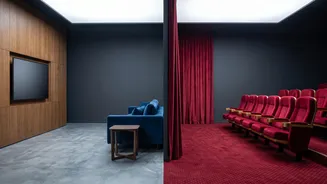
If the battle was only about price, cinemas would be in deep trouble. However, theatres sell something streaming cannot replicate: the big-screen experience. The giant screen, the booming Dolby Atmos sound, and the shared communal feeling of watching a film with a crowd are powerful draws. For major event films—the spectacular superhero sagas, epic historical dramas, and action blockbusters—the theatre is still considered the definitive place to watch them. This is why, despite the growth of OTT, people still flock to cinemas for the right film. The cinema outing is treated less as routine viewing and more as a special event, an experience worth the premium price for a select few movies a year. The industry is leaning into this, focusing on making the theatrical visit a more luxurious and immersive event.
A Split Decision for Modern Viewers
The Indian entertainment landscape is no longer a simple choice between two options but a hybrid ecosystem where both models coexist. Consumers are making calculated decisions based on the content itself. Is it a larger-than-life spectacle that demands a big screen? The cinema wins. Is it a smaller drama, a comedy, or a series to binge-watch over a weekend? Streaming is the default choice. This has led to a noticeable split in content strategy, with massive tentpole films getting exclusive theatrical runs while a huge volume of other productions head straight to digital platforms. While box office revenues are hitting records, the actual number of people going to the cinema has seen a decline, suggesting that while people are willing to pay more, they are doing so for fewer, bigger films.