

Start with 'Almost Unkillable' Plants
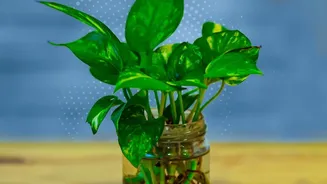
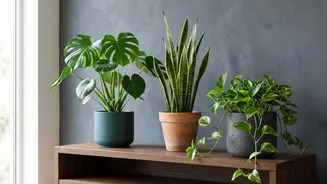
Set yourself up for success by choosing plants known for their resilience. For beginners, hardy species that tolerate a range of conditions are your best friends. In India, plants like the Snake Plant, ZZ Plant, and Money Plant (Pothos) are famously forgiving.
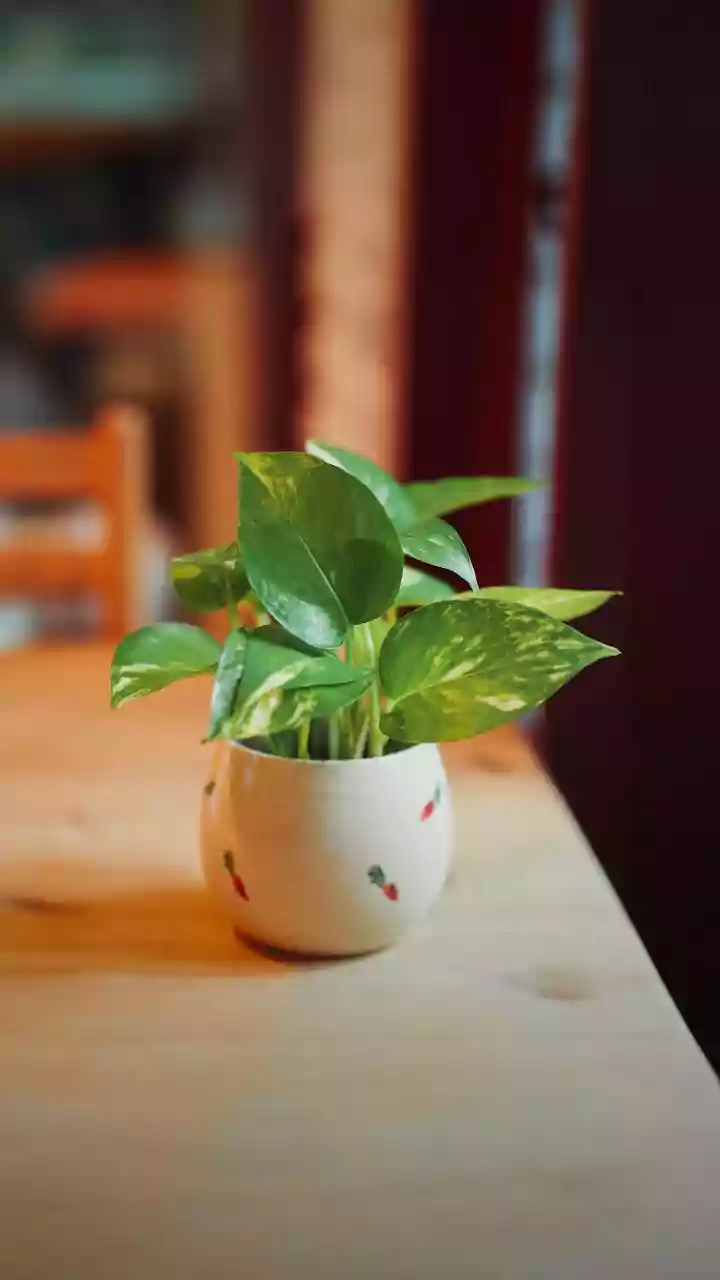
The Snake Plant, for instance, can handle low light and infrequent watering, making it perfect for busy owners or dim corners. The Money Plant is incredibly adaptable, capable of growing in both soil and water with very little fuss. The ZZ Plant is another champion of neglect, storing water in its roots and tolerating low light and dry soil. Starting with these low-maintenance varieties builds confidence and allows you to learn the rhythms of plant care without the constant stress of a demanding plant.
Master the Art of Watering
The most common mistake new plant parents make is overwatering. Too much love can literally drown your plant by causing root rot, where roots decay from excess moisture. Instead of watering on a rigid schedule, learn to check the soil first. The 'finger dip test' is your most reliable tool: stick your finger about two inches into the soil. If the soil feels dry at that depth, it's time to water. If it feels moist, wait another day or two and check again. When you do water, do it thoroughly. Pour water slowly and evenly over the soil surface until you see it drain out of the pot's bottom holes. This ensures the entire root system gets a drink. Then, be sure to discard any excess water from the saucer, as letting a plant sit in water is a common cause of root rot.
Let There Be (the Right) Light
All plants need light for photosynthesis, but 'low light' doesn't mean 'no light'. Most common houseplants are native to rainforest floors, where they receive filtered sunlight, not complete darkness or harsh, direct sun. Understanding your home's light is crucial. South-facing windows offer the brightest, most direct light, while north-facing windows provide the gentlest. East-facing windows get soft morning light, and west-facing windows get intense afternoon sun. Most popular indoor plants like Monsteras, Philodendrons, and Peace Lilies thrive in bright, indirect light—think of a spot a few feet away from a sunny window or near a window with a sheer curtain. Plants will tell you what they need; if a plant is stretching or leaning towards a window, it wants more light. If its leaves look scorched or pale, it might be getting too much.
The Foundation: Soil and Drainage
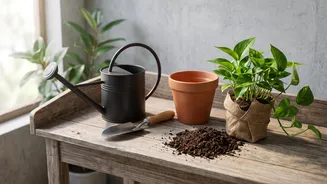
Good soil and proper drainage are the non-negotiable foundations of a healthy potted plant. Never use soil directly from your garden; it's too dense, compacts easily in a pot, and can carry pests or diseases. Instead, always use a quality potting mix designed for indoor plants. These mixes are 'soilless' and typically contain a blend of peat moss or coco coir for moisture retention, and perlite or bark for aeration and drainage. This creates a light, airy environment where roots can breathe. Equally important is the pot itself. Ensure any container you choose has drainage holes at the bottom. Without them, water has nowhere to go, leading to waterlogged soil and the dreaded root rot that is fatal to most houseplants.
Simple Maintenance for Healthy Growth
Once you have the basics down, a little routine maintenance goes a long way. Houseplants, especially those in Indian homes, can accumulate a layer of dust on their leaves. This dust blocks light and hinders photosynthesis. Gently wipe the leaves with a damp cloth every couple of weeks to keep them clean and glossy. While you're at it, inspect your plant for any signs of pests like spider mites or mealybugs. Another simple but effective hack is to rotate your plants a quarter turn each week. This ensures all sides of the plant get equal light exposure, promoting even growth and preventing it from leaning heavily in one direction. This small habit results in a fuller, healthier, and more balanced-looking plant.