

The Undisputed Reign of Delivery Apps
The single biggest driver of the late-night food revolution is the army of delivery apps on our phones. Platforms like Swiggy and Zomato have completely transformed access to after-hours meals. What was once a limited choice between a few local takeaways
has exploded into a vast digital food court. This isn't just a metro phenomenon; reports show that late-night order volumes are surging in Tier-2 and Tier-3 cities as well, indicating a nationwide lifestyle shift. To cater to this demand, delivery platforms have even launched curated programs like 'Late Night Eats', which operate from 10 PM to 5 AM in major cities, highlighting restaurants that stay open until at least 2 AM. This 24/7 access has made ordering anything from a pizza to a full meal at 1 AM as normal as a morning cup of tea.
Ghost Kitchens: The Unseen Powerhouses
Powering much of this late-night boom are 'ghost kitchens'—delivery-only restaurants with no physical storefront. These commercial kitchens are built for speed and efficiency, often housing multiple food brands under one roof to cater to varied cravings. By eliminating the high costs of rent for a prime location and front-of-house staff, ghost kitchens can operate profitably during off-peak hours. This model allows brands to be nimble, using data to track which cuisines are in demand late at night and adapting their menus accordingly. Companies like Rebel Foods, which operates brands like Faasos and Behrouz Biryani, have perfected this model, proving that you don't need a dining room to build a food empire. The rise of these kitchens ensures a consistent and diverse supply of food well into the early hours.
The Move Towards Healthier Midnight Snacks
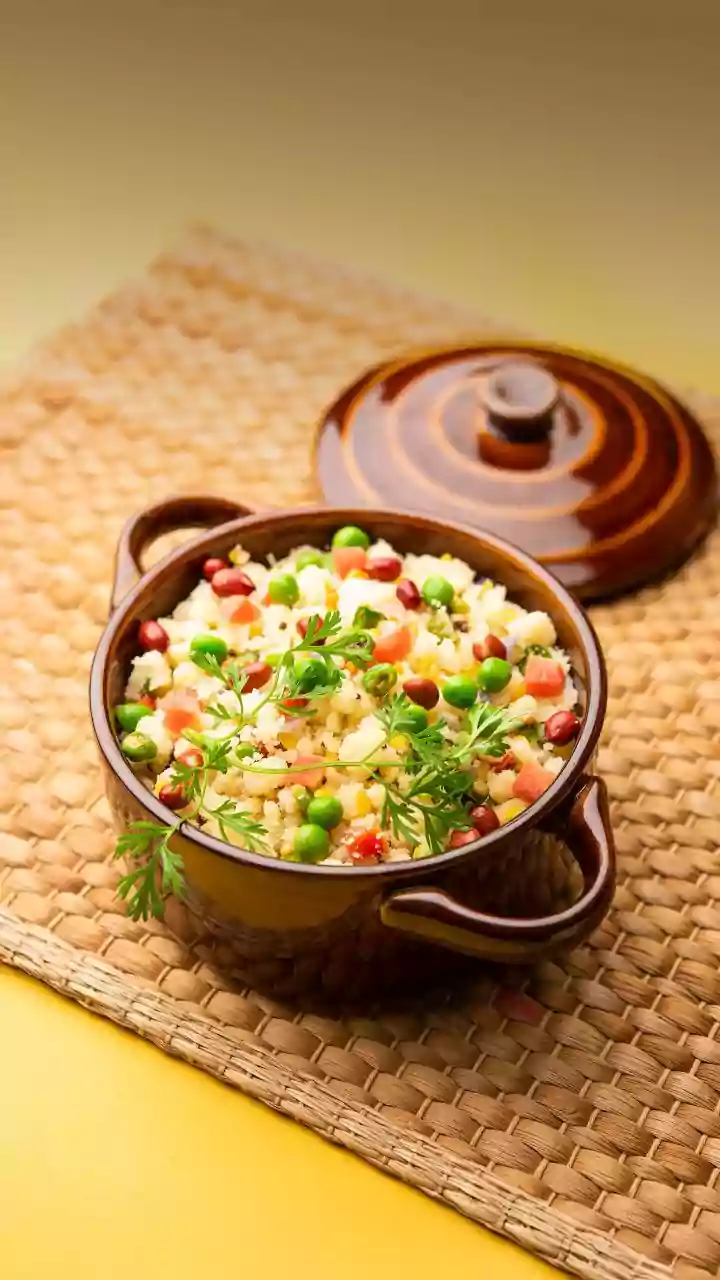
While indulgent foods like biryani, burgers, and pizzas remain popular late-night choices, there's a growing counter-trend towards healthier options. Urban consumers are increasingly conscious of wellness, and that doesn't stop after dinner. Food delivery services now prominently feature categories like 'Healthy Nibbles', which include salads, grain bowls, and other nutritious choices for professionals working late. The demand for traditional, light Indian snacks is also resurgent. Items like roasted makhana, chana, poha, and khichdi are being embraced as guilt-free midnight munchies. These options are light, easy to digest, and offer comfort without the heaviness of fried food, reflecting a desire for balance even when cravings strike late at night.
Comfort Cravings and Traditional Favourites
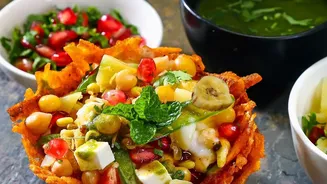
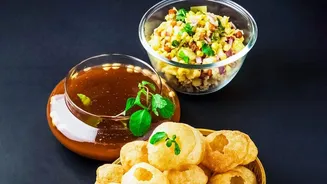
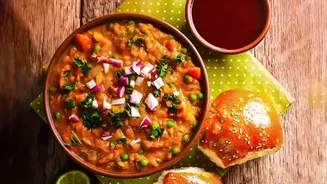
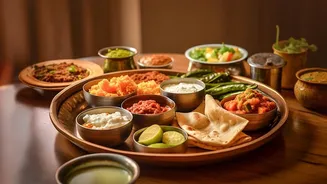
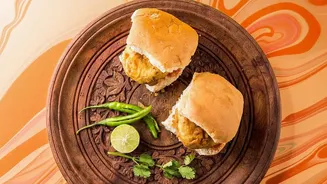
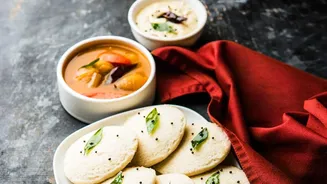
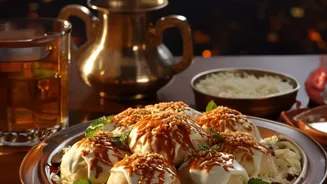
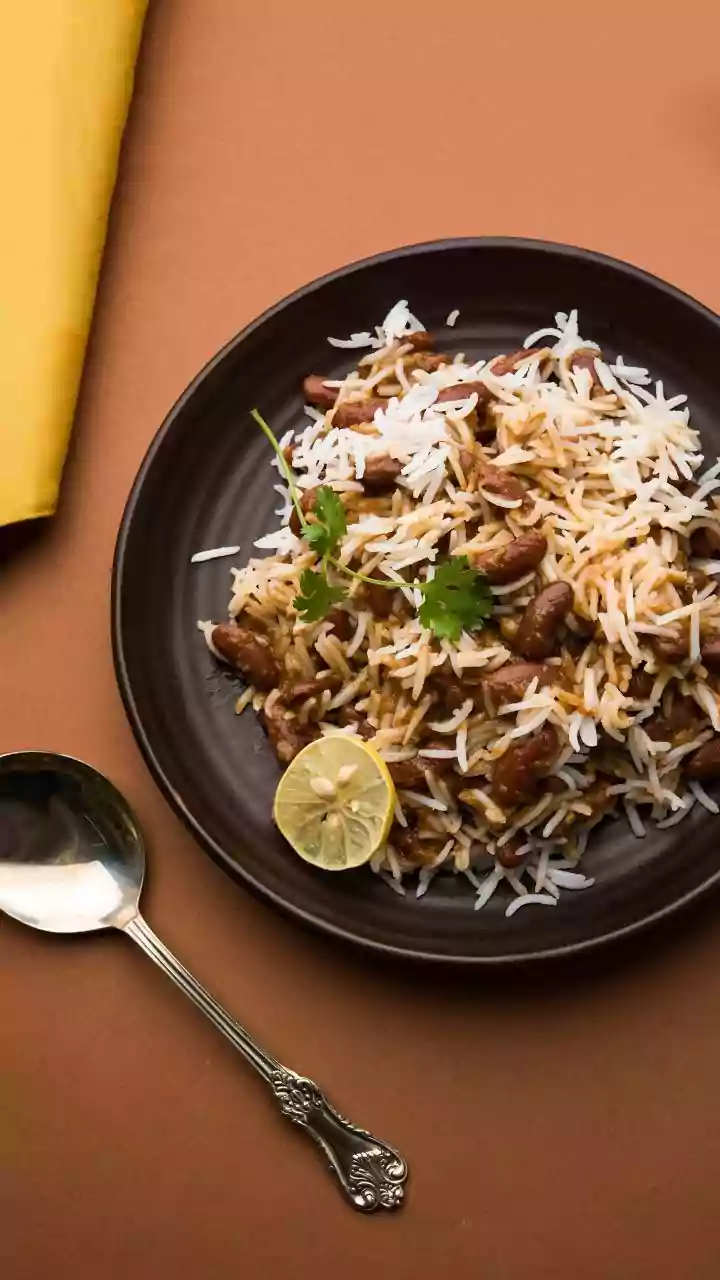
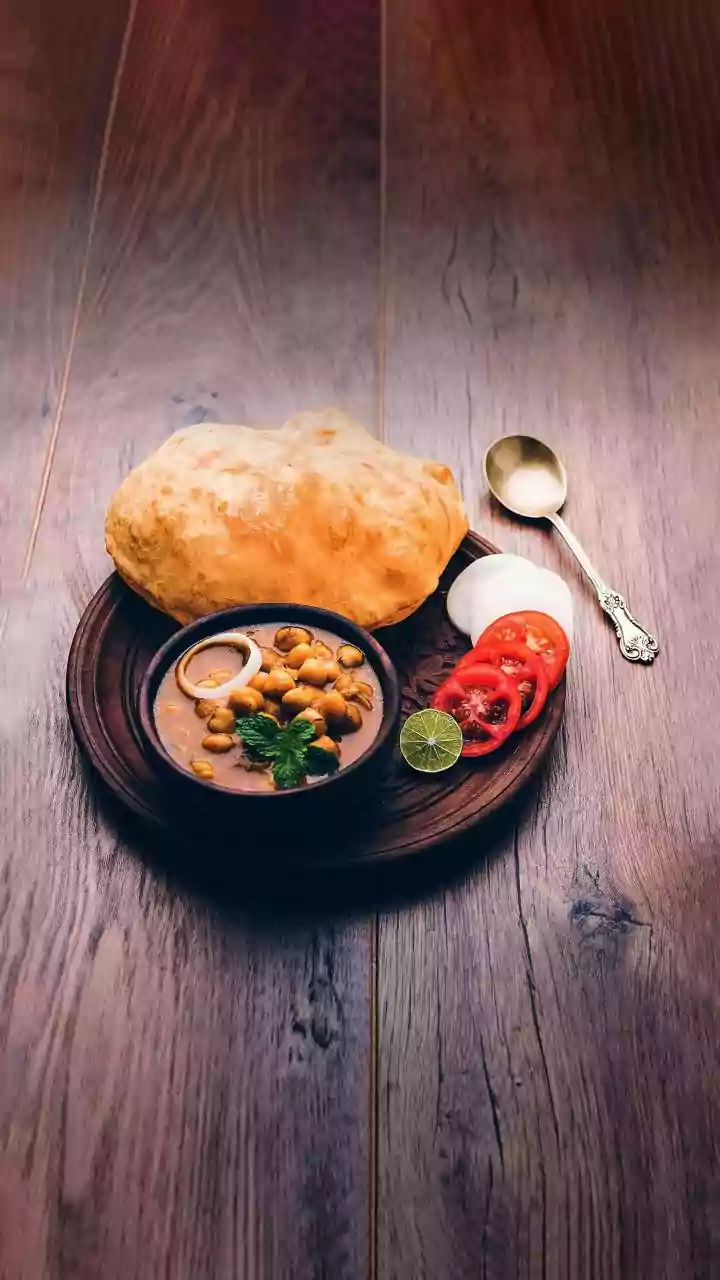
Despite the influx of global cuisines, the heart often wants what it wants: comforting, familiar Indian food. Late-night orders show a strong preference for regional staples and classic comfort dishes. Whether it's shawarma rolls in the south, paneer bhurji rolls, or a hearty bowl of dal khichdi, these dishes provide a sense of warmth and satisfaction that a sandwich might not. Many late-night menus specifically cater to these cravings, offering everything from Mughlai kebabs and biryani in Delhi to pav bhaji in Mumbai. This trend highlights that while convenience is key, the emotional connection to traditional flavours remains a powerful driver of our food choices, no matter the time of day.
The Evolution of Work and Social Lives
Ultimately, our late-night eating habits are a mirror of our evolving urban lifestyles. Longer working hours, flexible schedules for a globalised workforce, and a tendency to eat and sleep later are reshaping traditional meal times. Dinner at 9 PM is no longer the default for many young professionals. This shift, coupled with an increase in solo living and nuclear families, has made convenience a top priority. Ordering food has become a functional, low-effort solution for a generation that is often short on time and energy. The surge in late-night food orders isn't just about hunger; it's about food adapting to fit the new rhythms of city life in India.