






The Dawn of the Cool-Cation
For years, the summer holiday playbook was simple: find a hot, sunny destination and pack your swimsuit. But as record-breaking heatwaves turn many traditional hotspots into sweltering challenges, travellers are starting to look for an escape from the heat,
not towards it. This has given rise to the “cool-cation,” a travel trend defined by deliberately choosing destinations with more temperate weather to find relief from extreme heat. Instead of the Mediterranean in August, people are thinking about the misty mornings of the Scottish Highlands or the fresh air of the Norwegian fjords. Travel industry data shows a significant shift, with booking platforms reporting a massive increase in searches for cooler getaways. According to one report, searches for cooler holidays have risen by 300% over the last year.
Driven by a Changing Climate
The primary driver behind this trend is climate change. With Europe, for instance, being the fastest-warming continent, its quintessential summer destinations are now frequently battling dangerous heatwaves, wildfires, and public health warnings. This has made once-ideal spots in Spain, Italy, and Greece feel less like a relaxing escape and more like an endurance test. Data shows that a vast majority of travellers are concerned about extreme weather events impacting their plans. One report from 2025 noted that 81% of Europeans were adjusting their travel habits due to the changing climate, with many actively seeking out cooler destinations or avoiding places prone to extreme heat. It's a practical response to a new reality where vacationing in 40°C heat is simply not enjoyable or safe for many.
Beating the Crowds and High Costs
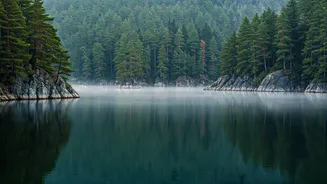
Beyond the weather, cool-cations offer a welcome escape from two other downsides of peak-season travel: overtourism and inflated prices. Traditional summer destinations are often packed, leading to long queues, crowded beaches, and strained infrastructure. In contrast, many cooler destinations offer more breathing room and a chance to connect with nature without the masses. This also translates to financial benefits. While travel costs are rising globally, opting for a less-trafficked destination can provide better value for money. Instead of competing for overpriced hotel rooms in a summer hotspot, travellers are discovering the appeal of 'hushpitality'—quiet, low-stimulus environments found in places like the highlands of Uganda or the tranquil lakes of Finland. This allows for a more relaxing experience that focuses on well-being and genuine discovery.
Where the New Hotspots Are Cool
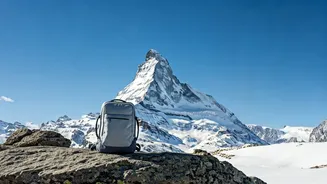
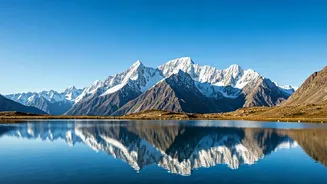
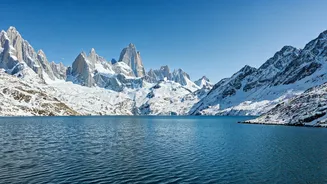
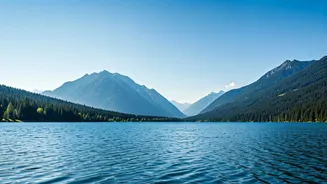
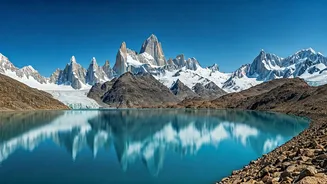
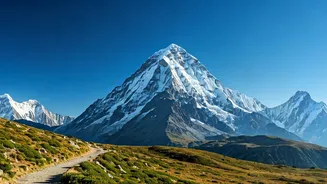
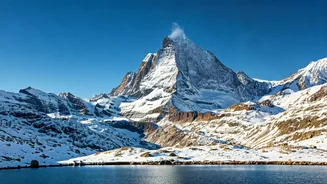
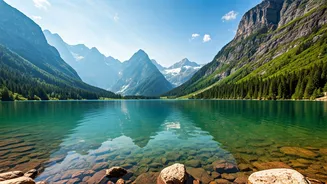
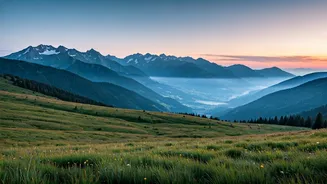
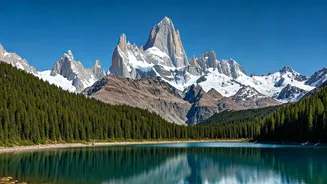
So where are these savvy travellers headed? Northern Europe is a primary beneficiary of this trend, with countries like Iceland, Norway, Finland, and Denmark seeing a surge in summer interest. The appeal lies in their stunning natural landscapes—from fjords and glaciers to vast forests—and comfortable summer temperatures. The Scottish Highlands, with their dramatic terrain and cool summer air, have also become a top choice. But the trend is global. Destinations at higher altitudes, like the highlands of Uganda or the mountains of Slovenia, are being discovered as temperate sanctuaries. In Asia, places like Sapporo in Japan and the Yunnan province in China are attracting visitors with their milder climates. Even within traditionally hot countries, travellers are seeking out cooler regions, such as India's mountain towns or Canada's expansive national parks.