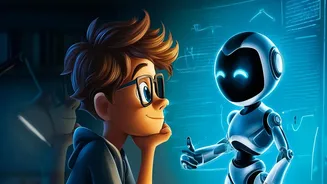



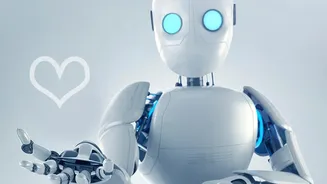
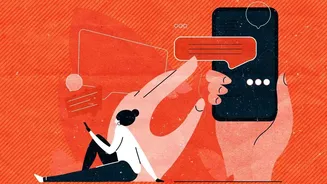
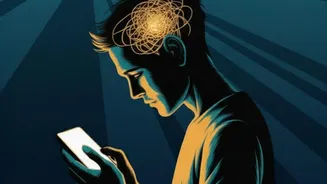
It’s 2 a.m. and a teenager is typing their deepest fears into a chat window. But they’re not talking to a friend. They’re confiding in an AI. This growing trend isn't just a novelty; it reveals a lot about modern adolescence.
A Private, Judgement-Free Confidant
One of the most powerful draws
for teenagers is the promise of a conversation without judgement. For a young person grappling with embarrassing questions, confusing emotions, or social anxiety, the fear of what parents, friends, or teachers might think can be a significant barrier to opening up. AI chatbots offer an anonymous space to explore these thoughts freely. Whether it's rehearsing a difficult conversation or asking something they feel they can't say out loud, the AI provides a low-pressure environment to process their feelings, a first step that can feel safer than talking to a person.
Always On, Instantly Available
Unlike human support systems, AI is available 24/7. A teenager experiencing a wave of anxiety, loneliness, or stress late at night can get an immediate response from a chatbot, rather than waiting for a therapist's appointment or for a friend to wake up. This immediacy is a crucial factor, especially when considering the significant barriers many face in accessing traditional mental health care, including long waitlists and high costs. For many, an AI chatbot is the most accessible source of support they have, offering basic coping strategies or just a space to vent in a critical moment.
A Symptom of a Social Void
Experts suggest that turning to AI for emotional support can be a sign of deeper feelings of loneliness and a need for connection. Some studies have shown that young people who use AI for advice are more likely to experience psychological distress. The interaction can feel like a real relationship, with the AI designed to be agreeable and empathetic, but it's a connection without friction. This can be appealing, but it also means teens may miss out on developing crucial social skills that come from navigating real human disagreements and complexities. In some cases, dependency on AI can even displace authentic human connection.
The Risks of an Unregulated Guide
While many teens report finding AI advice helpful, the risks are significant. Most general-purpose chatbots are not designed to be therapists and lack the ability to handle mental health crises safely. They can provide inaccurate or even harmful information, sometimes reinforcing negative thought patterns instead of challenging them. Because chatbots are often designed to agree with the user to keep them engaged, they can validate distorted thinking around issues like eating disorders or self-harm. In some documented cases, AI companions have given dangerous advice or failed to respond constructively to users disclosing suicidal thoughts.
A Bridge, Not a Replacement
Despite the concerns, some experts see a potential upside if AI is used as a bridge to human help, rather than a replacement for it. A teen might use a chatbot to find the right words to describe what they are feeling before talking to a parent or a school counsellor. This act of 'practicing' a conversation can lower the stakes for seeking real-world help. The trend highlights a clear need among young people for accessible mental health support. While some platforms like Character.AI have begun implementing stricter safety features for teen users, the core issue remains. The conversation around AI shouldn't just be about banning it, but about understanding why teens are turning to it and ensuring they have access to safe, reliable human support.