




The Core of Cardio: Heart Rate Elevation
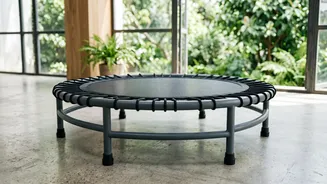
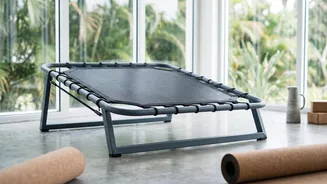
At the heart of any good cardio workout is, well, the heart. The goal is to elevate your heart rate to a moderate or vigorous level and sustain it. Both traditional aerobics and trampolining, also known as rebounding, excel here. A high-energy aerobics class,
with its mix of jumping jacks, high knees, and choreographed sequences, is a tried-and-true method for spiking your heart rate. Similarly, bouncing on a mini-trampoline can push your heart rate into the same effective cardiovascular training zones. Studies have shown that rebounding can be as effective as running for improving heart health and endurance. In fact, some research suggests that for the same level of perceived effort, rebounding can be more efficient at providing a cardiovascular workout. The intensity is scalable for both; in trampolining, bigger jumps raise the heart rate, while in aerobics, faster movements and higher impact achieve the same.
The Joint Impact Debate
This is where the two activities diverge significantly. Traditional high-impact aerobics involves jumping and running on a hard surface, which can put considerable stress on your knees, hips, and ankles. For those with joint pain or a history of injury, this can be a major drawback. Trampolining, on the other hand, is celebrated for being a low-impact exercise. The flexible surface of the mini-trampoline absorbs a huge percentage of the shock—some studies suggest up to 80%—that would otherwise be sent through your joints. This makes rebounding an excellent alternative for individuals seeking a high-intensity workout without the associated wear and tear on the body.
Calorie Burn and Muscle Engagement
When it comes to burning calories, both are effective, but the numbers can vary based on intensity and duration. A vigorous 30-minute aerobics session can burn a substantial number of calories. Trampolining is surprisingly competitive, with some estimates suggesting a vigorous session can burn up to 800 calories per hour. A direct comparison test showed rebounding burning slightly more calories than running over a 30-minute period with a similar average heart rate. What gives trampolining an edge in muscle engagement is its unstable surface. To stay balanced while bouncing, your body must constantly engage stabilizer muscles, particularly in your core and legs. This means you are getting a strength and balance workout simultaneously with your cardio, activating hundreds of muscles.
Beyond the Burn: Additional Benefits
Aerobics is fantastic for improving coordination and rhythm as you follow choreographed routines. It is a social activity that can be done in a group setting, which many find motivating. Trampolining boasts its own unique set of extra benefits. The vertical bouncing motion is believed to stimulate the lymphatic system, which helps your body with detoxification and immune function. This lymphatic drainage is a benefit not typically associated with traditional ground-based cardio. Furthermore, a famous NASA study found that rebounding was a highly efficient way for astronauts to regain bone density and muscle mass after being in space, suggesting it is a powerful full-body exercise.
The Fun Factor and Accessibility
The best workout is the one you will actually do consistently, and enjoyment is a huge part of that. For many, the sheer joy of bouncing on a trampoline makes it feel less like a chore and more like play, promoting better long-term adherence. Home rebounders are also convenient and take up minimal space. Aerobics, however, has a lower barrier to entry in some ways—you don't need any special equipment to start, just a bit of floor space. Classes are widely available at gyms and community centres, offering structure and social connection that can be highly motivating for many people.