




Beyond Shine and Flatness
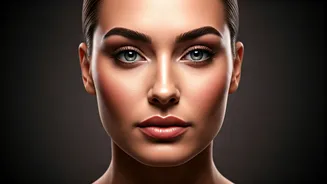
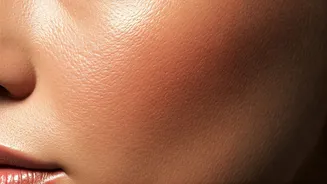
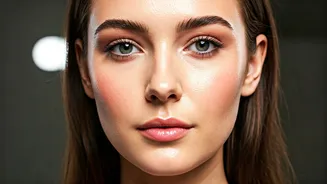
So, what exactly is soft matte skin? Think of it as the sophisticated sister to other trends. It's not the reflective, wet-look of dewy skin, but it's also not the completely shine-free, one-dimensional matte of the past. Instead, soft matte offers a velvety,
blurred, and subtly radiant finish. The look is sometimes called 'cloud skin' or 'velvet skin' because of its dreamy, soft-focus effect that looks like you've been lit by the most flattering light. It's about controlling unwanted shine while maintaining a natural, lit-from-within glow, creating a finish that looks refined, modern, and effortlessly polished.
Perfect for a Humid Climate
One of the biggest reasons for its rising popularity, especially in India, is its practicality. In hot and humid weather, dewy looks can quickly turn greasy, while heavy matte makeup can feel suffocating and cakey. Soft matte is the ideal solution. It provides shine control exactly where you need it—typically the T-zone—without completely eliminating your skin’s natural radiance. This approach helps makeup last longer without sliding off, separating, or feeling heavy. The finish is breathable and comfortable, offering a polished look that can withstand the challenges of a warm day.
It All Starts with Skin Prep
Achieving the perfect soft matte finish begins long before you pick up your foundation. The secret is hydration. Matte makeup will only cling to dry patches, so starting with well-moisturised skin is non-negotiable. Cleanse your face, then follow up with a lightweight, hydrating moisturiser that absorbs fully without leaving a greasy residue. Next, a good primer is your best friend. Opt for a blurring or smoothing primer rather than a heavily mattifying one. Apply it strategically to areas with larger pores or where you tend to get oily, creating a smooth canvas for your makeup to grip onto.
Mastering The Base
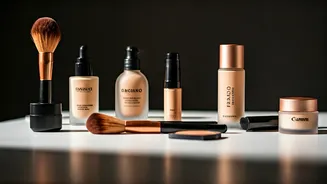
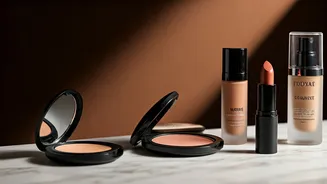
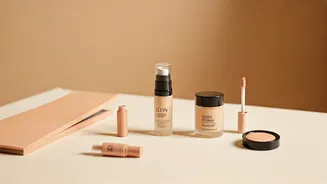
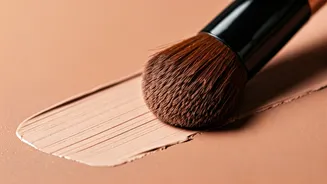
The key to a soft matte base is applying products in thin, buildable layers. Whether you use a brush or a damp sponge, press and blend the foundation into the skin instead of swiping. Start in the centre of your face and blend outwards, concentrating coverage where it's needed most. For foundation, look for formulas described as 'soft matte,' 'natural matte,' or 'velvet.' These are designed to control oil without looking chalky. After foundation, use concealer sparingly. Spot conceal blemishes and brighten the under-eye area, but avoid applying thick, heavy layers. The goal is to even out the skin tone, not mask it entirely.
Strategic Powdering is Key
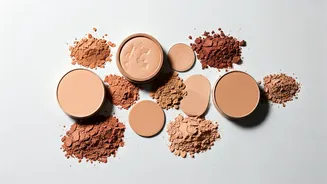
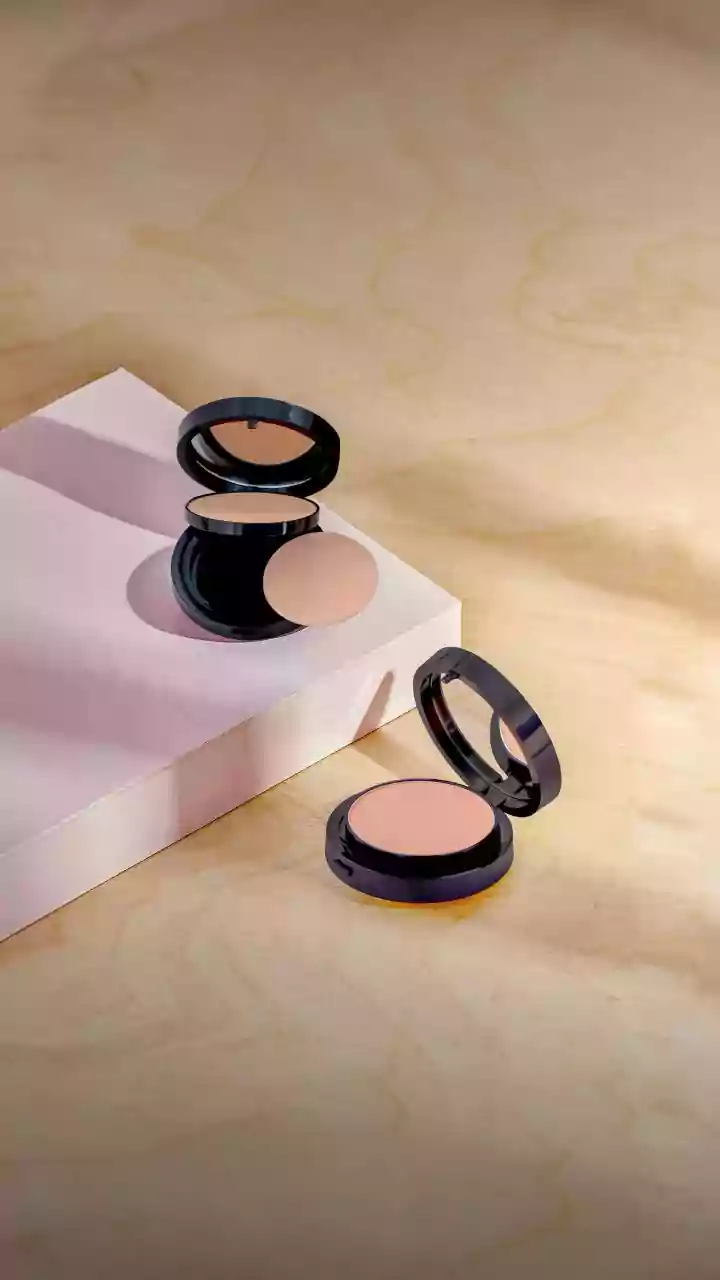
This is where the 'soft' in soft matte truly comes to life. Instead of applying powder all over your face, be strategic. The goal is to set your makeup and reduce shine only in specific areas. Use a finely milled translucent powder and a fluffy brush or a velour puff. Lightly dust the powder under the eyes, along the sides of the nose, between the brows, and on the chin—anywhere you applied concealer or tend to get oily. This technique, sometimes called 'baking' in a lighter form, locks your makeup in place while allowing the high points of your face, like your cheekbones, to retain a natural, subtle sheen.
Dimension Without the Gleam
A common mistake with matte looks is creating a flat canvas. To maintain dimension, use colour and texture wisely. Cream blushes and bronzers are excellent for this look. Apply them before your final powdering step. This technique allows the colour to meld with your skin for a more natural, from-within flush. Once you’ve applied your cream products, you can then do your strategic powdering, which also helps set the creams in place. This layering ensures your face has shape and warmth without adding unwanted shine or sparkle, completing the sophisticated, velvety finish.