

Rethinking The Sabudana Staple
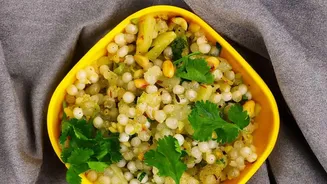
Sabudana, or tapioca pearls, is synonymous with Navratri fasting. While it provides a quick source of energy due to its high carbohydrate content, it offers very little protein or other essential nutrients. The common preparation, deep-fried vadas, further
adds unhealthy fats and calories. Instead of frying, consider making a sabudana khichdi with roasted peanuts, which add protein and healthy fats. To make it even healthier, pan-roast or bake your sabudana tikkis instead of deep-frying them, and add vegetables like carrots or fresh coconut for extra nutrients.
Beyond The Usual Potato Dishes
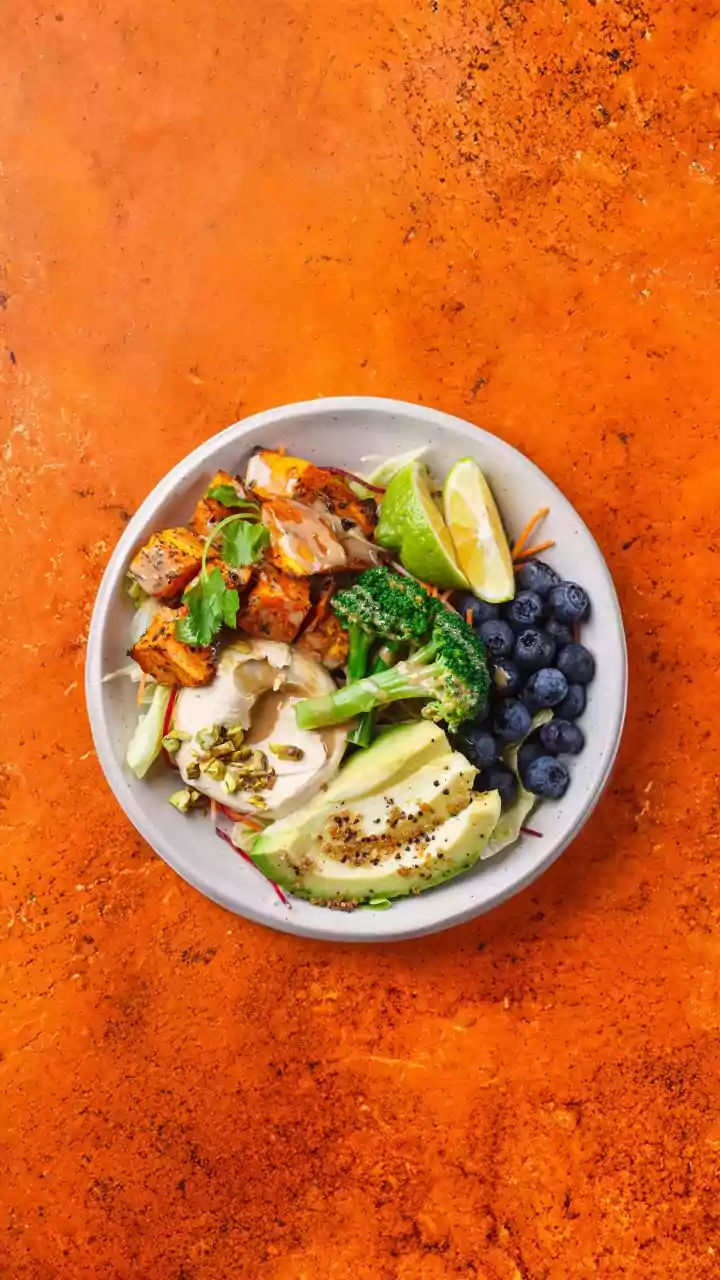
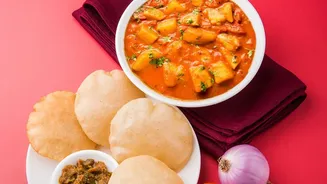
Potatoes are another Navratri go-to, but a diet heavy in fried aloo chaat and chips can be counterproductive to the detoxifying purpose of fasting. Broaden your vegetable horizons with nutrient-dense alternatives. Sweet potatoes are an excellent swap, rich in fibre and vitamins, and can be used to make a delicious and healthy chaat. Other permitted vegetables like pumpkin (kaddu), bottle gourd (lauki), and arbi (colocasia) can be used to make flavourful sabzis and stir-fries, adding variety and a wider range of micronutrients to your meals.
Power Up With Plant-Based Proteins
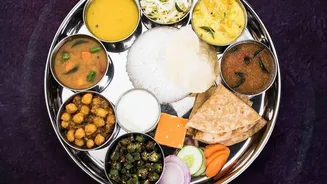
A common mistake during Navratri is neglecting protein, which is crucial for maintaining energy levels and preventing muscle loss. Fortunately, many vrat-friendly foods are excellent protein sources. Paneer is a fantastic option and can be grilled as tikkas or lightly sautéed. Dairy products like milk and curd are also beneficial; curd, in particular, is a great probiotic that aids digestion. Other great sources include amaranth (rajgira) and peanuts, which can be incorporated into various dishes to keep you feeling full and energized.
Choose Wholesome Flours
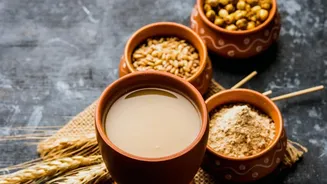
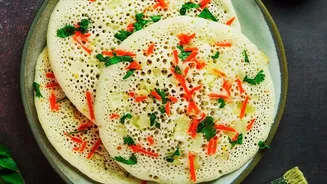
The custom of avoiding wheat flour during Navratri introduces a variety of healthy alternatives. Flours like buckwheat (kuttu ka atta), water chestnut (singhara ka atta), and amaranth (rajgira ka atta) are gluten-free and packed with nutrients. Kuttu is rich in fibre, while rajgira is a good source of protein and iron. Instead of making deep-fried puris, use these flours to prepare rotis, cheelas (pancakes), or dosas. This simple switch in cooking method significantly reduces oil intake while still allowing you to enjoy traditional breads.
Embrace Fruits, Nuts, and Seeds
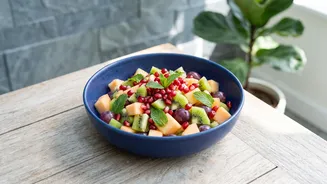
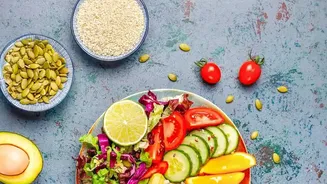
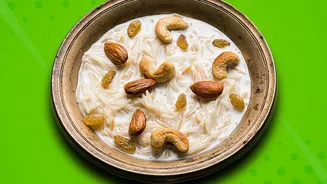
Fruits are your best friend during Navratri. They provide natural sugars for instant energy, along with essential vitamins, minerals, and fibre to keep you full and hydrated. A colourful fruit chaat is a perfect mid-day snack. Nuts and seeds like almonds, walnuts, and fox nuts (makhana) are also permitted and make for excellent, guilt-free snacks. Roasted makhana, seasoned with a little rock salt and pepper, is a crunchy and low-calorie alternative to packaged chips.
Hydrate Intelligently
Staying hydrated is key to avoiding fatigue and headaches during a fast. While water is essential, you can also include other healthy fluids. Coconut water is excellent for replenishing electrolytes. Buttermilk (lassi) and fresh fruit juices (without added sugar) are also great options to keep you hydrated and nourished throughout the day. Planning your fluid intake can make a significant difference in how you feel over the nine days.