



The Two-Hour Race Against Bacteria
The most critical concept in food safety is the 'temperature danger zone'. According to the Food Safety and Standards Authority of India (FSSAI), this is the range between 5°C and 60°C where bacteria can multiply rapidly. In fact, some bacteria can double
in number in as little as 20 minutes within this zone. For this reason, perishable food should never be left at room temperature for more than two hours. If the ambient temperature is very high, as it often is in India, that window shrinks to just one hour. That comforting pot of curry left to cool on the kitchen slab is a perfect breeding ground for microbes if left out for too long.
Cooking Kills Bacteria, But Spores Survive
You might think that since you've cooked the food thoroughly, it's safe. While cooking does kill active bacteria, it doesn't always eliminate their heat-resistant spores. One common culprit is Clostridium perfringens, a bacterium often linked to food poisoning from improperly cooled foods, especially meats, gravies, and large batches of food. The spores can survive the cooking process. When the food then cools slowly, these spores can reactivate and grow into harmful vegetative cells, producing toxins that cause illness. This is why slow cooling is a major contributing factor to foodborne illness outbreaks.
The Professional Method: Two-Stage Cooling
Food safety professionals use a specific, time-bound method to minimise risk. It’s called the two-stage cooling process. Stage one is to cool food from its cooking temperature (above 60°C) down to 21°C within two hours. This is the most critical phase, as it moves the food through the upper, most dangerous part of the temperature zone quickly. Stage two is to cool the food from 21°C down to 5°C or below within the next four hours. The entire process must be completed within a total of six hours to be considered safe.
How to Cool Food Fast and Safely at Home
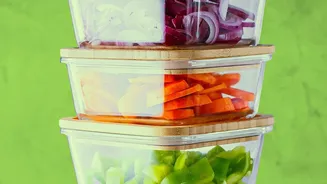
Putting a large, hot pot directly into your refrigerator is a bad idea. It will retain heat at its core for a long time and can also raise the overall temperature inside your fridge, putting other foods at risk. Instead, the key is to increase the food's surface area. Divide large quantities of food like dal, curries, or rice into several smaller, shallow containers. This allows heat to dissipate much more rapidly. For an even faster method, you can place the smaller containers in an ice-water bath in your sink and stir the food periodically. Stirring helps to distribute the cold evenly and speeds up the cooling process significantly. Aim to get food cooled and into the fridge within that two-hour window.
Redefining Your Leftover 'Storage Window'
The common advice is that most leftovers are safe to eat for three to four days when refrigerated. However, this guideline is built on the assumption that the food was cooled and stored properly in the first place. If your leftovers sat on the counter for three or four hours before being refrigerated, the clock has already been ticking. Dangerous levels of bacteria may have already developed, and the three-day rule no longer applies. The safety of your leftovers isn't determined by when you put them in the fridge, but by how quickly they were cooled after coming off the heat. If you're ever in doubt about how long something was left out, the safest choice is always to discard it.