
The Core Qualities of a Great Umpire
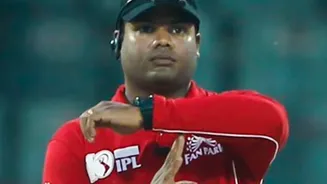
Before naming names, it's worth considering what makes a truly exceptional umpire. It's more than just knowing the 42 laws of cricket inside and out. The best umpires possess immense concentration, allowing them to remain focused for hours under intense
pressure. They need a calm and composed demeanor to handle appeals, on-field tensions, and the roar of a massive crowd without being flustered. Impartiality is, of course, non-negotiable; they must make decisions with a clear head, free from bias. Finally, great umpires are excellent communicators and managers, able to convey decisions clearly and command the respect of the players. While very few international stars like India's S. Venkataraghavan have made the transition successfully, the idea of tapping into the deep game sense of retired players remains a fascinating one.
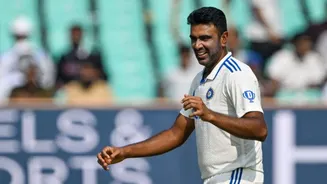
Ravichandran Ashwin: The Rules Scholar
If there is one active cricketer who seems destined for a role in shaping the game's laws, it's Ravichandran Ashwin. Known for his almost academic obsession with the MCC rulebook, Ashwin has never been shy about exploring the sport's legal grey areas. His views on the 'Mankad' or running out the non-striker, for example, are rooted in a deep understanding of the laws, rather than just convention. He has also publicly dissected complex rules, such as the LBW law concerning the 'blind spot' during a switch hit, showing an analytical mind that thinks like a lawmaker. This forensic attention to detail is a priceless asset for an umpire. While his passion can sometimes spill over, his desire for the game to be played and officiated correctly is undeniable. An umpire needs to be a master of the laws, not just an interpreter, and Ashwin has proven time and again that he is a student of the game in its purest sense.
Dinesh Karthik: The Sharp Analyst
Dinesh Karthik’s seamless transition into the commentary box has already given fans a preview of his potential as an official. His analysis is sharp, insightful, and communicated with clarity, showing he can process game situations quickly and explain them effectively. These are core skills for an umpire who must make split-second judgments and be able to justify them. Karthik, having played as a wicketkeeper for years, has spent his career observing batters, bowlers, and the trajectory of the ball from the best seat in the house. This on-field experience, combined with his now-proven analytical abilities, makes him a prime candidate. He has a modern understanding of the game and has already earned respect as a voice of authority, even when sharing a commentary box with seasoned veterans.
Ajinkya Rahane: The Unflappable Leader
In the pressure cooker of Test cricket, Ajinkya Rahane has always been a portrait of calm. His leadership during the historic 2020-21 Border-Gavaskar Trophy series win in Australia highlighted his quiet, composed, and resilient nature. These are precisely the personality traits required for umpiring. An umpire must remain unflustered amidst heated appeals and high-stakes moments. Rahane's temperament suggests he would be able to maintain authority without resorting to aggression. He commands respect through his dignified conduct, a quality that would earn him the trust of players on both sides. In a role where keeping a cool head is arguably the most important skill, Rahane’s famously steady disposition makes him an ideal, if unconventional, choice for a future in officiating.
Rahul Dravid: The Spirit of Cricket
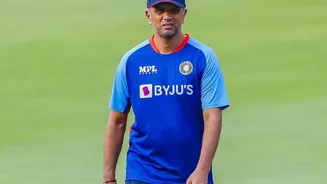
While currently shaping the next generation as a coach, Rahul Dravid embodies the integrity and focus that define a great umpire. Nicknamed 'The Wall' for his immense powers of concentration, Dravid's entire career was a masterclass in discipline and mental fortitude. He is universally respected for his sportsmanship and deep understanding of the 'spirit of cricket'. Players would be hard-pressed to argue a call with a figure of such unimpeachable integrity. His quiet authority and legendary patience are perfect attributes for an official who must stand for hours and make crucial decisions without letting the pressure affect his judgment. Though his coaching commitments make this a distant hypothetical, the thought of Dravid bringing his profound respect for the game to an umpiring role is a compelling one for any cricket fan.