




The Modern Masala Toolkit
Forget the idea of fusion food as a confusing gimmick. The new movement in global cuisine is more thoughtful, more integrated, and it often starts with the humble Indian spice box. Chefs around the world are discovering what Indian households have known
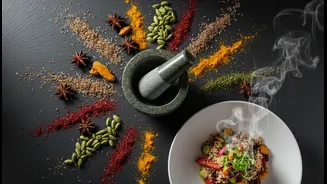
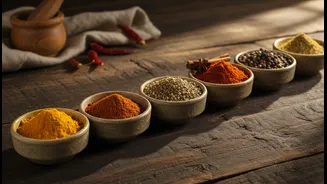
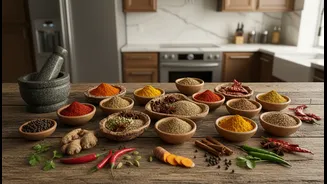
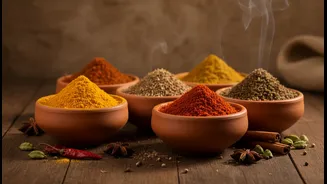
for centuries: spice blends are not just for curries. They are complex, versatile flavour bases that can elevate almost any dish. This trend isn't about simply adding a dash of 'Indian flavour'; it's about deconstructing familiar blends and using their components to build something entirely new. Spices like cumin, coriander, turmeric, and cardamom are being used to create layered flavour experiences in dishes that are not traditionally Indian. This shift treats Indian spices as a fundamental part of the modern culinary toolkit, much like French mother sauces or Italian olive oil.
Chaat Masala Goes Global
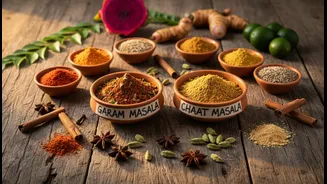
Perhaps the best example of this trend is the meteoric rise of chaat masala in Western-style snacks. This tangy, funky, and salty blend, traditionally used for street food snacks across India, is now the finishing dust on everything from french fries to popcorn. The logic is simple: its blend of amchur (dried mango powder) and kala namak (black salt) provides a hit of sour and savoury that is instantly addictive. Restaurants from London to Kansas City are featuring dishes like chaat masala fries, where the familiar comfort of fried potatoes is given a distinctly Indian twist. This isn't a replacement for ketchup, but a whole new flavour profile that balances crispy, salty, and tangy in a way that feels both novel and perfectly logical.
Beyond the Expected Pairings
The innovation extends far beyond snacks. Creative chefs are infusing the warmth of garam masala—a blend of spices like cinnamon, cloves, and black pepper—into unexpected places. Think of a pinch in a chocolate dessert to add depth and warmth, or as a component in a spice rub for grilled meats, offering a fragrant crust that complements the smokiness of the grill. Even turmeric, known for its golden colour and earthy flavour, is finding new life in everything from wellness lattes to sourdough bread. This movement is about understanding the essence of a spice blend and applying it with creativity. It is about a fearless experimentation that is resulting in a dazzling assortment of meals that tantalize the taste buds. A chef might use the floral notes of cardamom in a tiramisu or the smoky depth of black cardamom in a barbecue sauce, showing a deeper understanding of flavour.
A Sign of Culinary Confidence
This new wave of fusion is more than just a trend; it's a sign of Indian cuisine's growing confidence on the global stage. For years, Indian food in the West was often simplified. Now, chefs, many of Indian heritage, are leading a change. Figures like Chef Chintan Pandya in New York are actively working to redefine what Indian food means in America, pushing its boundaries and exploring its vast textures and flavours. Similarly, chefs like Sujan Sarkar are gaining Michelin stars by reimagining traditional dishes with modern techniques, showing that Indian cuisine can be both authentic and innovative. It’s no longer about adapting Indian flavours for a foreign palate but about showcasing their inherent complexity and versatility. This represents a shift where Indian cuisine is not just a participant in the global food conversation, but a leader.