






The Tale of Two Waters
When rain hits the ground, it has two primary paths. It can become surface water, which is the water you see flowing down roads and into drains, eventually reaching rivers and the sea. Or, it can seep into the earth to become groundwater, replenishing
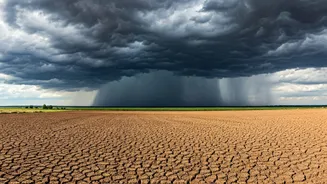
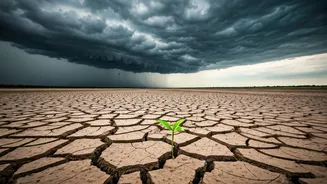
the underground aquifers that are a critical source of fresh water for a huge portion of India. An aquifer is like a natural underground storage tank. For our water supply to be secure, that tank needs to be refilled. The problem is that a heavy downpour on its own doesn't guarantee a refill. In fact, most of the water from a sudden, intense storm ends up as surface runoff, quickly making its way into the ocean without ever getting a chance to soak into the ground.
Our Cities Are Not Sponges
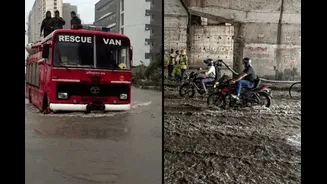
In a natural, forested landscape, soil and vegetation act like a giant sponge, absorbing rainwater and allowing it to percolate slowly into the ground. But our cities are the opposite. We have replaced porous soil with concrete, asphalt, and pavement. These impervious surfaces prevent rainwater from soaking in. Instead of recharging our precious groundwater, the rain rushes over these hard surfaces, overwhelming outdated drainage systems and causing the urban floods we are all too familiar with in cities like Mumbai and Chennai. In urban India, as much as 80 to 100 per cent of rainfall can be lost as surface runoff, compared to just 10-30% in unpaved, natural areas. This turns a life-giving resource into a destructive force.
An Empty Underground Bank Account
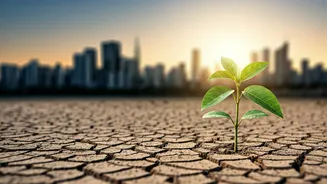
Groundwater is India's largest natural freshwater reserve, supplying a significant portion of our urban water needs. Think of it as a bank account from which we are constantly withdrawing. The rain is supposed to be the deposit that keeps it full. But due to rapid urbanization and over-extraction, we are withdrawing far more than we are depositing. Many urban centres in states like Punjab, Haryana, and Karnataka are already facing the grim reality of near-zero groundwater levels. The crisis isn't just about quantity; it's also about quality. Untreated sewage and industrial waste often contaminate what little groundwater remains, making it unsafe for consumption.
Catching Every Drop
The solution is not just about getting more rain, but about better management of the rain we receive. This is where concepts like rainwater harvesting and 'Sponge Cities' become critical. Rainwater harvesting is the simple but powerful practice of collecting rainwater from rooftops and other surfaces and storing it for later use or directing it to recharge groundwater. It's a practice that has been part of Indian tradition for centuries and is now being recognised as a modern necessity. On a larger scale, cities are exploring becoming 'Sponge Cities' by incorporating more green spaces, permeable pavements, and engineered wetlands. These measures help the urban landscape mimic a natural sponge, absorbing rainwater, reducing flooding, and replenishing the aquifers beneath our feet.