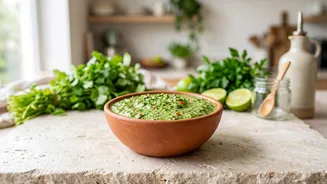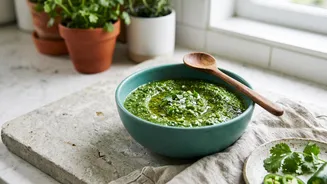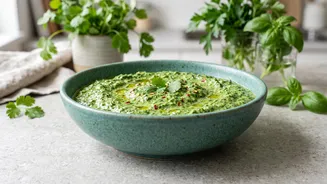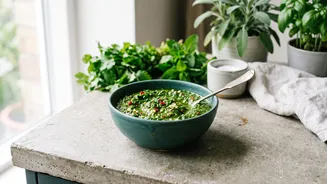




Vibrant, zesty, and endlessly versatile, fresh coriander chutney, or hari chutney, is the secret weapon in every Indian kitchen. This simple guide covers the basics to help you master this quintessential condiment from scratch.
The Soul of Indian Condiments
Coriander chutney is more
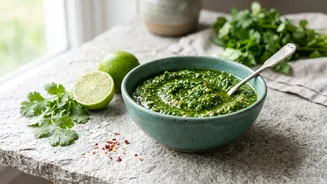
than just a dip; it's a cornerstone of Indian cuisine, found everywhere from street food stalls to family dinner tables. Served alongside samosas, drizzled over chaat, or spread in a sandwich, its fresh, spicy, and tangy profile elevates any dish it touches. The beauty of this chutney lies in its simplicity and the perfect balance of herbaceous coriander, fiery green chillies, and bright lemon juice. While countless regional and family variations exist, mastering the basic recipe opens up a world of culinary possibilities. It’s the versatile, flavour-packed condiment that can turn a simple meal into something memorable.
Gathering Your Core Ingredients
The foundation of a brilliant coriander chutney rests on a handful of fresh, high-quality ingredients. Here’s what you'll need: Fresh Coriander (Dhaniya): This is the star. Use a large, fresh bunch with tender stems, as they are packed with flavour. Aim for about two tightly packed cups of chopped leaves and stems. Green Chillies: These provide the heat. Adjust the quantity based on your spice preference. For less heat, you can remove the seeds. Ginger and Garlic: A small piece of ginger and a few cloves of garlic add warmth and pungent depth. These are essential for that classic chutney zing. Lemon Juice: Crucial for tanginess and for preserving the chutney's vibrant green colour by preventing oxidation. Spices: Roasted cumin powder is a common addition for an earthy note. Many recipes also include a pinch of black salt (kala namak) or chaat masala for extra complexity. Salt: To taste.
Step-by-Step Preparation
Making this chutney is a quick process that takes less than 10 minutes with a blender. Start by thoroughly washing the coriander leaves and roughly chopping them. Combine the coriander, green chillies, ginger, garlic, spices, and salt in a blender jar. Add the lemon juice and just a tablespoon or two of cold water to help the ingredients move. It's important to use minimal water to achieve a thick, spreadable consistency; you can always add more if needed, but a watery chutney loses its punch. Blend the mixture in short bursts, scraping down the sides of the jar periodically, until you have a smooth paste. Avoid blending continuously, as this can generate heat and cause the chutney to lose its bright green hue. Taste and adjust the salt, spice, or lemon juice as needed.
Tips for a Perfect Green Chutney
Keeping your chutney a brilliant green is the ultimate goal. The key is to combat oxidation. Always add lemon juice while grinding. Using ice-cold water or even a few ice cubes in the blender keeps the mixture cool and preserves the colour. Another pro tip is to use only fresh, bright green leaves and discard any that are wilted or yellow. For longterm storage, you can pour the chutney into an ice cube tray, freeze it, and then transfer the cubes to a ziptop bag in the freezer. This allows you to have fresh chutney on hand for months.
Delicious Recipe Variations
Once you've mastered the basic recipe, feel free to experiment. For a cooling effect, add a handful of fresh mint leaves (pudina). To create a thicker, creamier texture, you can add roasted peanuts, roasted chana dal (dalia), or a few tablespoons of desiccated coconut. Some South Indian versions are built around coconut as a primary ingredient. For a restaurantstyle creamy dip, a spoonful of plain yogurt (dahi) can be blended in to create a milder, smoother sauce perfect for kebabs and tikkas.
More Than Just a Dip
Don't limit your fresh chutney to just a dipping sauce. Its uses are nearly endless. Spread it on bread for a classic chutney sandwich, with or without cheese. Mix it with mayonnaise or yogurt to create a zesty dressing for salads or a creamy dip for fritters. Use it as a marinade for paneer, chicken, or fish before grilling or roasting for a 'tandoori' style flavour. Drizzle it over chaat, tacos, or buddha bowls for an instant flavour boost. You can even stir a spoonful into rice or curries to add a final layer of fresh, herbaceous flavour.