



A Shift in Seasons and Mindsets
For decades, the Indian travel calendar was predictable: mountains in the summer and beaches in the winter. The monsoon was a time to stay home. That is rapidly changing. According to recent data from travel platform Cleartrip, the monsoon is no longer
an off-season, with hotel bookings across India rising by nearly 54% year-on-year. The most surprising part of this trend is where people are going. Instead of traditional monsoon destinations, travellers are heading to the Northeast, drawn by the promise of lush landscapes, cooler temperatures, and fewer crowds.
Northeast's Newfound Popularity
The Northeast has emerged as the fastest-growing region for monsoon travel, and Nagaland and Arunachal Pradesh are at the forefront of this boom. Data reveals that flight bookings to these two states have surged by 62%, and hotel bookings have climbed by an incredible 90% compared to the previous year. This isn't an isolated spike; the momentum is felt across the region. Hotel bookings in Shillong are up by over 65%, and Guwahati has seen a 60% increase. Meanwhile, flight bookings to Itanagar, the capital of Arunachal Pradesh, have jumped by more than 70%. This indicates a sustained interest that began in the summer and has carried through into the rainy season, establishing the Northeast as one of India's most sought-after travel circuits.
Arunachal Pradesh: Waterfalls and Mist
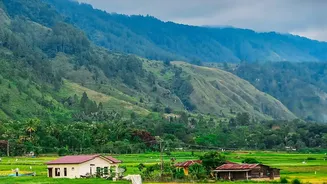
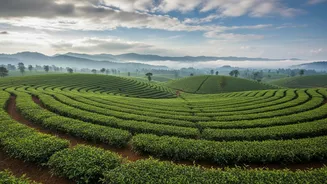
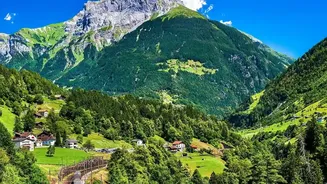
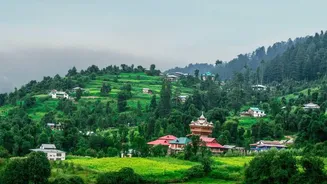
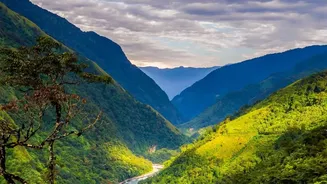
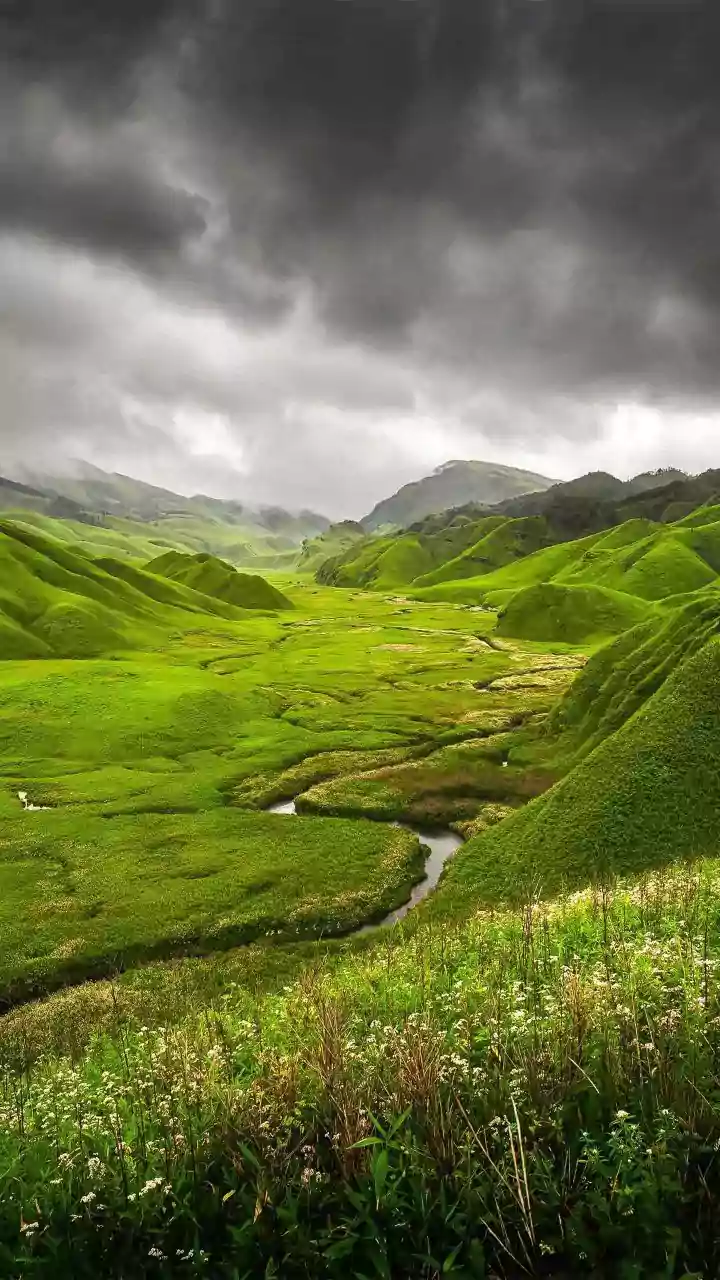
So, what makes these states so appealing during the rains? In Arunachal Pradesh, the monsoon transforms the landscape into a verdant paradise. The rain breathes life into countless waterfalls, like the majestic Nuranang and Bap Teng Kang Falls, which are at their most powerful and spectacular during this time. Mist-shrouded valleys like Ziro and Mechuka offer an ethereal beauty, with lush green paddy fields creating a serene, picturesque environment. While travel can be challenging due to potential landslides, for those who seek romance and natural beauty, the quiet murmur of rain and the gushing waterfalls offer an unparalleled experience. The season also hosts vibrant local festivals like the Dree Festival, giving visitors a unique cultural insight.
Nagaland: Emerald Valleys and Rich Culture
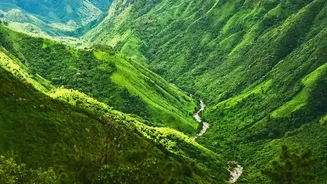
In Nagaland, the monsoon brings the famed Dzukou Valley to life. Known as the 'Valley of Flowers of the Northeast', it becomes carpeted with vibrant wildflowers, including the rare Dzukou lily, which blooms only during this season. The weather is cool and pleasant, making it ideal for trekking through the rolling meadows. Beyond the valleys, villages like Khonoma and Longkhum offer a deep dive into Naga culture against a backdrop of stunning, rain-washed hills. The Kisama Heritage Village, usually bustling during the Hornbill Festival, provides a tranquil and lush green escape for visitors exploring traditional Naga life without the usual crowds.
What's Driving the Monsoon Rush?
Several factors are fuelling this trend. A growing number of travellers, particularly younger generations like Gen Z, are actively seeking offbeat, nature-focused experiences over conventional holidays. The desire for immersive and less crowded destinations has put the Northeast firmly on the map. Improved connectivity and a rising awareness, partly driven by the portrayal of the region's beauty in popular OTT shows, have also played a significant role. Travel companies report that there is a clear shift in mindset; travellers are now driven more by the intent to have a unique experience rather than just visiting a destination at the 'perfect' time of year.