


The Cold-Pressed Advantage
Before modern industrial methods, oils in India were extracted using a 'ghani,' a simple press that crushed seeds at low temperatures. This method, now known as cold-pressing, is fundamentally different from how most commercial oils are made today. Refined
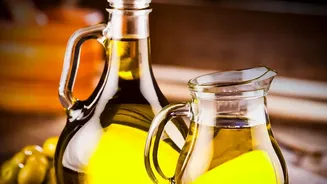
oils undergo high-heat processing and chemical treatments to create a neutral-tasting product with a long shelf life. This process, however, strips the oil of its natural flavour, aroma, and, most importantly, its nutrients. Cold-pressed oils, by contrast, are minimally processed. This gentle extraction preserves the oil's natural character, including vitamins, antioxidants, and beneficial fatty acids. The result is an oil that isn’t just a cooking medium but an active ingredient, contributing its own distinct personality to a dish.
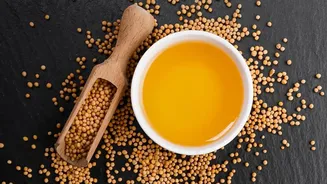
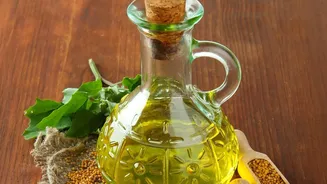
Mustard Oil: The Pungent Powerhouse
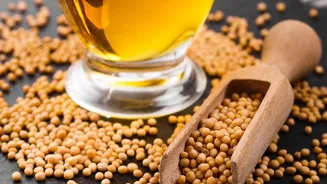
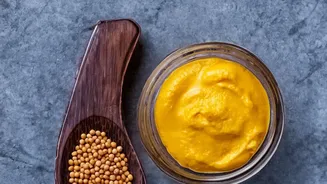
Known for its sharp, pungent flavour and deep golden hue, cold-pressed mustard oil, or 'sarson ka tel,' is the soul of many cuisines in North and East India, particularly in Bengal, Punjab, and Bihar. Its distinctive kick is essential for authentic dishes like Bengali fish curries (shorshe ilish) and the winter classic, sarson da saag. The pungency of mustard oil beautifully complements the spices used in Indian cooking, enhancing their complexity. It is also a traditional choice for making pickles, as its natural antimicrobial properties act as a preservative, extending the shelf life of mango and chilli pickles while infusing them with flavour. Rich in monounsaturated fats, omega-3 fatty acids, and antioxidants, it's a heart-healthy choice that also aids digestion.
Sesame Oil: The Nutty Nectar
Sesame oil, known as 'til ka tel' or 'gingelly oil,' is a cornerstone of South Indian cuisine, especially in Tamil Nadu and Andhra Pradesh. With its rich, nutty aroma, it serves a unique role. While it can be used for sautéing, it is often used as a finishing oil, drizzled over dishes just before serving to preserve its delicate flavour and nutrients. The classic combination of hot idlis or dosas served with 'podi' (a dry spice powder) is incomplete without a generous spoonful of sesame oil to bind the powder and add its characteristic taste. It is also the traditional base for many South Indian pickles, where its antioxidant properties help in preservation. Beyond its culinary uses, cold-pressed sesame oil is valued in Ayurveda for its anti-inflammatory properties.
Groundnut Oil: The Versatile Workhorse
Cold-pressed groundnut oil, or 'moongphali ka tel,' is a staple in Western and Southern India, particularly in Gujarat, Maharashtra, and Karnataka. Its mild, slightly nutty flavour makes it incredibly versatile, as it enhances dishes without overpowering the other ingredients. With a relatively high smoke point compared to other cold-pressed oils, groundnut oil is an excellent choice for a wide range of Indian cooking techniques, from everyday sautéing of sabzis and dals to deep-frying snacks like samosas, bhajiyas, and vadas. It provides a light, non-greasy texture and a satisfying crunch to fried foods. Rich in monounsaturated fats and Vitamin E, it's a reliable and healthy all-rounder for the Indian kitchen.