






The Untapped Reservoir Above Us
Rainwater harvesting is the simple practice of collecting and storing rainwater for later use. Instead of letting this valuable resource wash away into drains, it's captured from surfaces like rooftops and channelled into storage tanks. For millions in India
facing water stress, this ancient technique offers a path to self-sufficiency. It's a decentralized way to supplement the municipal supply, especially for non-potable needs like gardening, cleaning, and flushing toilets. By using freely available rainwater, households can significantly reduce their dependence on treated tap water, which is both energy-intensive and increasingly scarce.
Easy Ways to Start Harvesting
Getting started can be surprisingly simple and doesn't always require a complex, expensive system. The most common method involves placing a rain barrel or a large drum under a rooftop gutter's downspout. For this to work effectively, gutters should be clear of debris, and the barrel must be covered to prevent mosquitoes from breeding. Other DIY methods include creating 'rain chains' to guide water decoratively into a container or even setting up a 'rain saucer', which acts like an inverted umbrella to funnel water into a tank. For those willing to invest more, professionally installed systems can connect multiple downspouts to large underground cisterns, providing a substantial water reserve.
The Impact on Bills and Resources
The benefits of harvesting rainwater are tangible. For individuals, it leads to a direct reduction in monthly water bills. For example, a 100-square-meter terrace in a city like Delhi could potentially collect enough water to far exceed a family's needs. On a larger scale, widespread adoption eases the immense pressure on municipal water systems and conserves groundwater. In many Indian cities, where a significant portion of the population faces water shortages, this practice helps bridge the supply-demand gap. Several state governments and the central government, through initiatives like the Jal Shakti Abhiyan, are actively encouraging rainwater harvesting with subsidies and mandates for new buildings.
Why Flooded Streets Remain a Problem
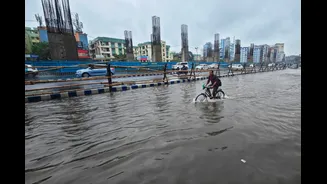
If we're capturing rain, why do cities still flood? The answer lies in the massive gap between the scale of household harvesting and the sheer volume of a monsoon downpour. Urban flooding is a large-scale infrastructure problem. Decades of unplanned urbanisation have replaced natural, absorbent surfaces like soil and wetlands with concrete and asphalt. This means that when heavy rain falls, the water has nowhere to go but into drainage systems.
The Urban Drainage Dilemma
Most Indian cities rely on stormwater drainage networks that are either decades old, undersized for the current population, or simply non-existent in many areas. These systems are frequently clogged with plastic waste, silt, and construction debris, drastically reducing their capacity to carry water away. During an intense spell of rain, which is becoming more common due to climate change, these overwhelmed drains back up, leading to the waterlogging we see every year. While individual rainwater harvesting can reduce runoff during light showers, it is simply not enough to prevent widespread flooding during a severe downpour that overwhelms the entire city's drainage capacity.