


A Gift from Halley's Comet
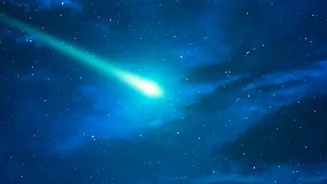
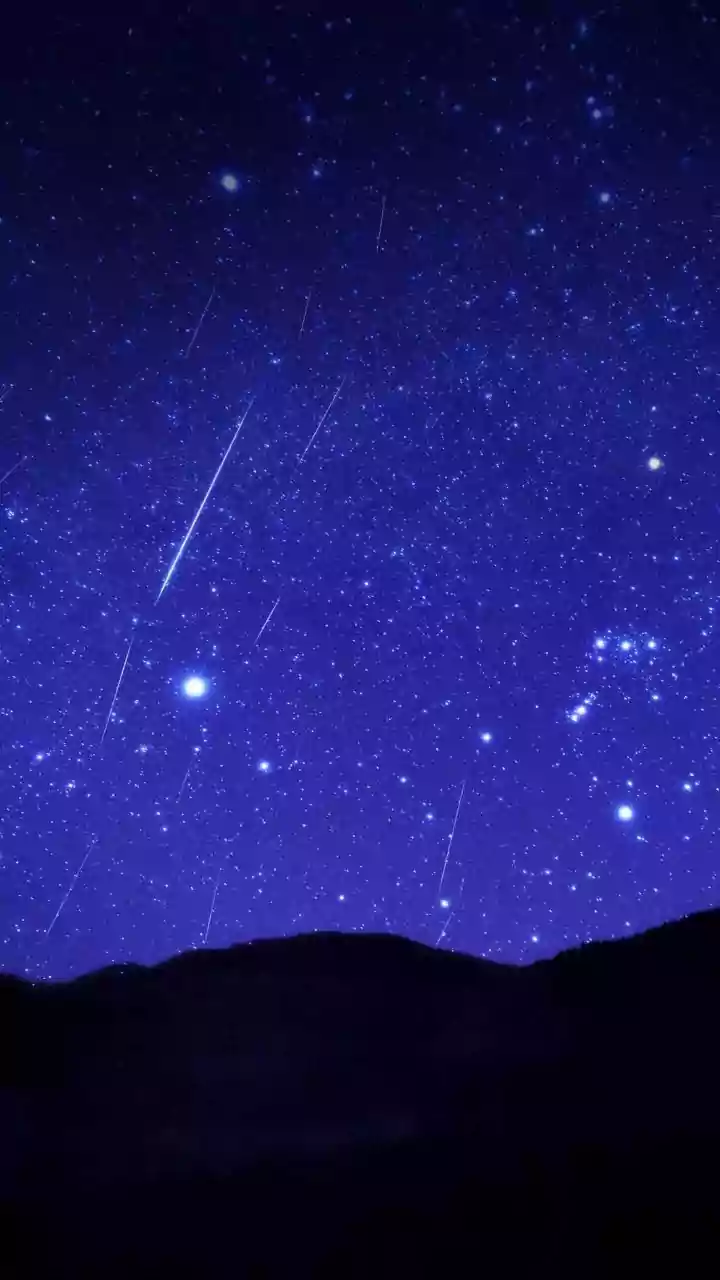
The Orionid meteor shower is one of the most beautiful celestial displays of the year. These shooting stars are actually tiny, fast-moving pieces of debris left behind by the famous Halley's Comet. Each October, Earth passes through this trail of cosmic
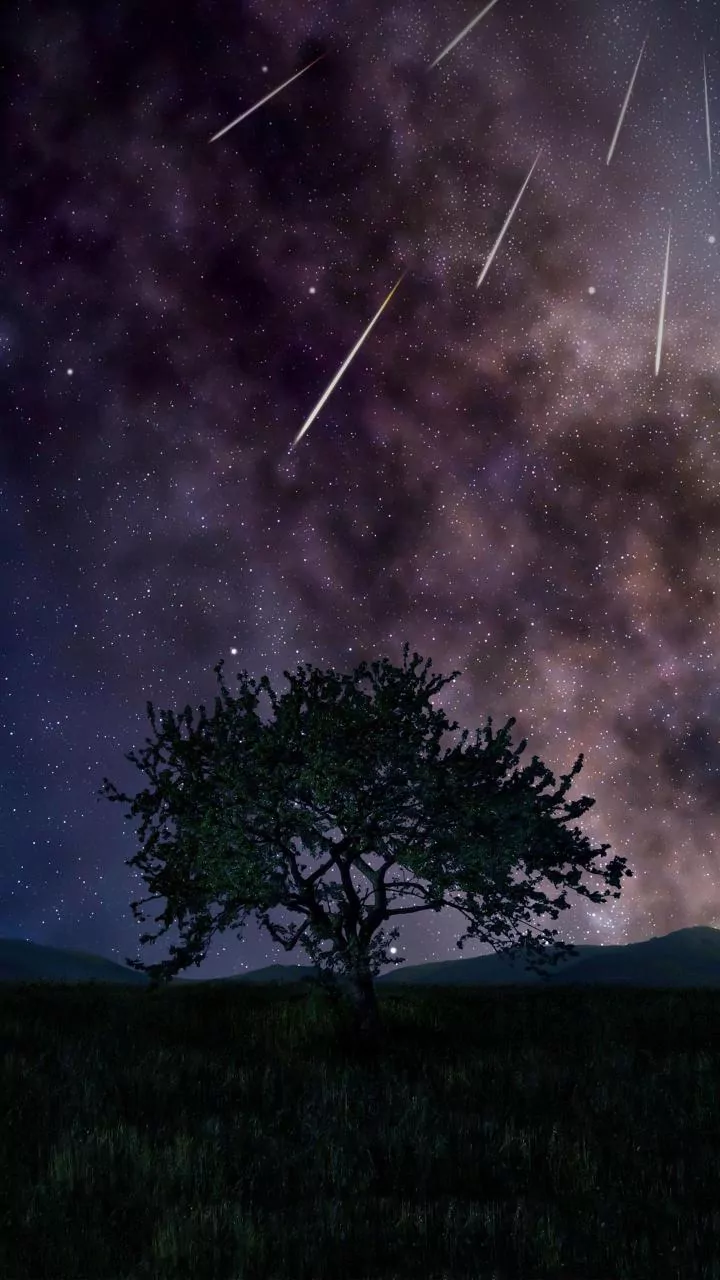
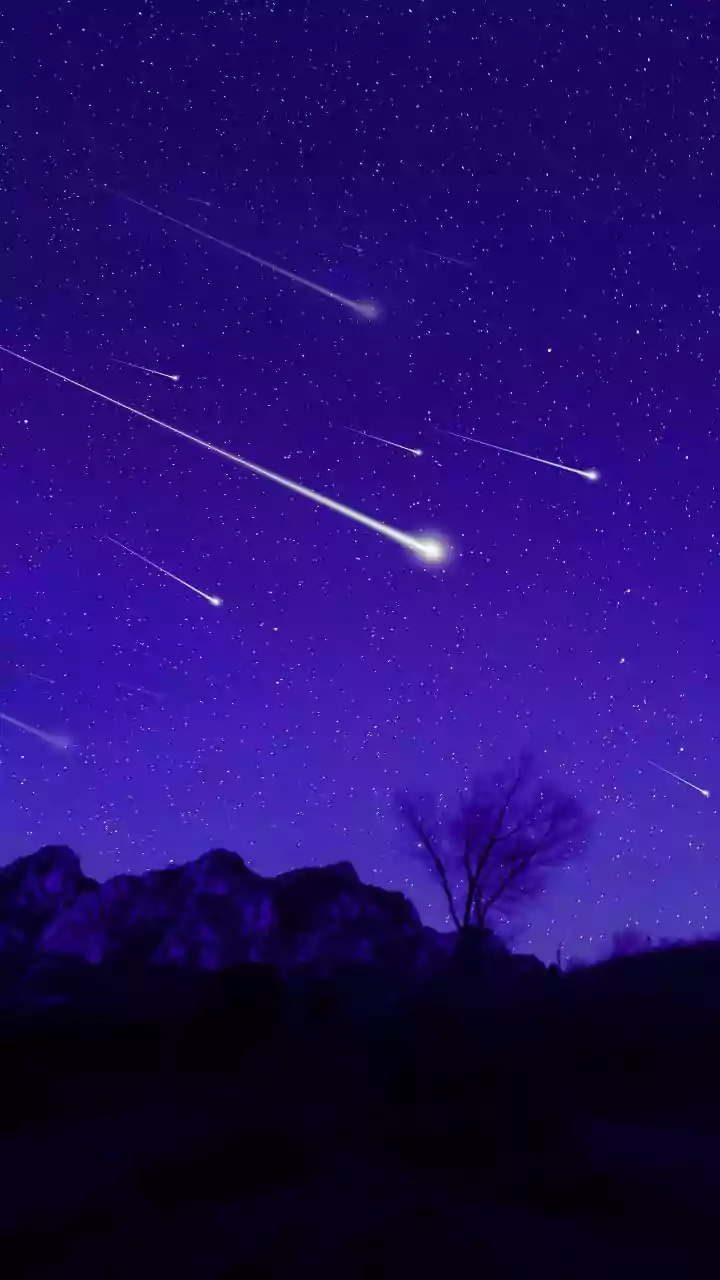
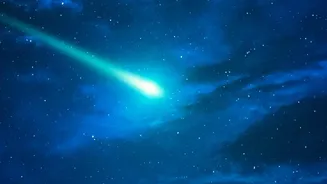
dust. When the particles hit our atmosphere at incredible speeds—around 66 kilometres per second—they burn up, creating brilliant streaks of light across the sky. The Orionids are known for their speed and brightness, and they sometimes leave persistent, glowing trails that can hang in the sky for a few seconds after the meteor has vanished. It's a spectacular show, framed by the bright stars of the late autumn sky.
Mark Your Calendar for the Peak
The Orionids are active from early October to early November, but the best time to watch is during the peak. For 2026, the peak is predicted for the night of October 21st, continuing into the pre-dawn hours of October 22nd. The ideal viewing window is after midnight, from about 3 a.m. until just before dawn. This is when the shower's radiant point is high in the sky and your location on Earth is rotating into the path of the incoming meteoroids. While the moon will be bright earlier in the evening, it is expected to set around 3 a.m. local time, leaving the sky dark for the best part of the show.
Overcoming the City Glow
The biggest challenge for any urban astronomer is light pollution. The combined glow from streetlights, buildings, and traffic creates a bright haze that washes out all but the brightest stars. While you might spot a few of the most brilliant meteors from a city balcony, your chances improve dramatically if you can find a darker location. Look for large parks, sports fields, or open areas on the outskirts of your city. Even driving 30 minutes away from the city centre can significantly reduce the skyglow and increase the number of meteors you'll see. Higher elevations, like a hilltop or the rooftop of a tall building (with permission), can also help by getting you above some of the densest light and atmospheric haze.
Finding the Radiant: Look for Orion
The shower is named the Orionids because the meteors appear to radiate from a point within the constellation of Orion the Hunter. To find it, look towards the eastern sky after midnight. Orion is one of the most recognisable constellations, famous for the three bright stars that form his belt. The radiant point is located just north of the bright, reddish star Betelgeuse, which marks Orion's shoulder. However, you don't need to stare directly at the radiant. In fact, it's better to look about 45 degrees away from it. Meteors will appear all over the sky, but their tails will all point back towards Orion. Looking slightly away from the radiant allows you to see meteors with longer, more dramatic trails.
Gear Up for a Night of Waiting
The best tool for watching a meteor shower is simply your own eyes. Telescopes and binoculars have a narrow field of view, making them impractical for catching the fleeting, unpredictable streaks of light. Instead, focus on comfort. Bring a reclining lawn chair or a thick blanket so you can lie back and look straight up without straining your neck. Dress in warm layers, as even in India, the pre-dawn hours in late October can get chilly. A flask of a warm beverage is also a great companion. Crucially, avoid your phone. The white light from the screen will ruin your night vision. If you need a light, use a torch covered with a red filter, which has less impact on your eyes' ability to adapt to the dark.
Patience Is Your Greatest Virtue
Your eyes need at least 20 to 30 minutes to fully adapt to the darkness and become sensitive enough to see faint meteors. When you first arrive at your viewing spot, resist the urge to check your phone or look at any bright lights. Just get comfortable, lie back, and let your eyes adjust. Under perfect, dark-sky conditions, you might see 15 to 20 meteors per hour, but from a suburban location, the rate will be lower. Meteor showers are a game of patience; there can be lulls in activity followed by a sudden burst. The key is to settle in for the long haul and enjoy the quiet beauty of the night sky while you wait for the show to begin.