
The Real Star: A Perfect Perseid Meteor Shower
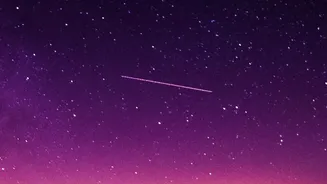
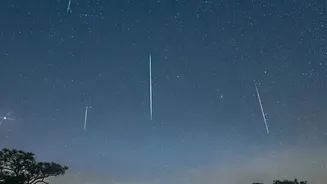
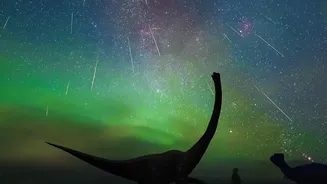
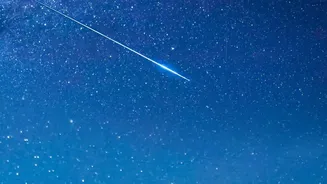
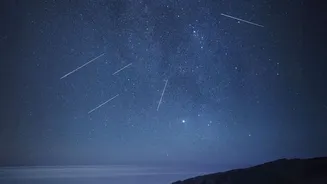
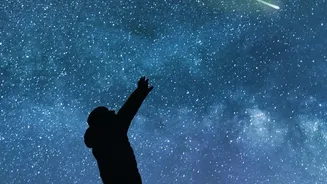
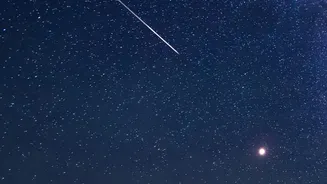
Mark your calendars for the night of August 12 and the early hours of August 13. This is when the annual Perseid meteor shower hits its peak, and conditions in 2026 are set to be perfect. This celestial event occurs as Earth passes through the trail of dusty
debris left behind by Comet Swift-Tuttle. As these tiny particles, many no bigger than a grain of sand, burn up in our atmosphere, they create bright streaks of light across the sky, popularly known as shooting stars. Under ideal dark sky conditions, viewers could witness between 50 and 100 meteors per hour. What makes this year truly special is that the shower's peak coincides with a new moon. This means the sky will be exceptionally dark, with no moonlight to wash out the fainter meteors, making for an unforgettable viewing experience.
Tips for Viewing the Perseids in India
The biggest challenge for skywatchers in most of India during August is the monsoon. Persistent cloud cover can easily spoil the show. However, if you get a clear night, the spectacle is worth it. The best time to watch is between 2:00 AM and 4:30 AM IST on the mornings of August 12 and 13, when the shower's radiant point in the constellation Perseus is high in the sky. To maximize your chances, find a location far from city lights. High-altitude, arid regions like Ladakh or the Spiti Valley offer the best odds for clear, dark skies. You don’t need any special equipment; the shower is best viewed with the naked eye. Simply lie back, let your eyes adjust to the darkness for about 20-30 minutes, and look up.
Saturn: The Steady Jewel
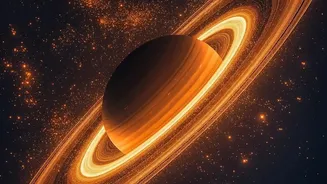
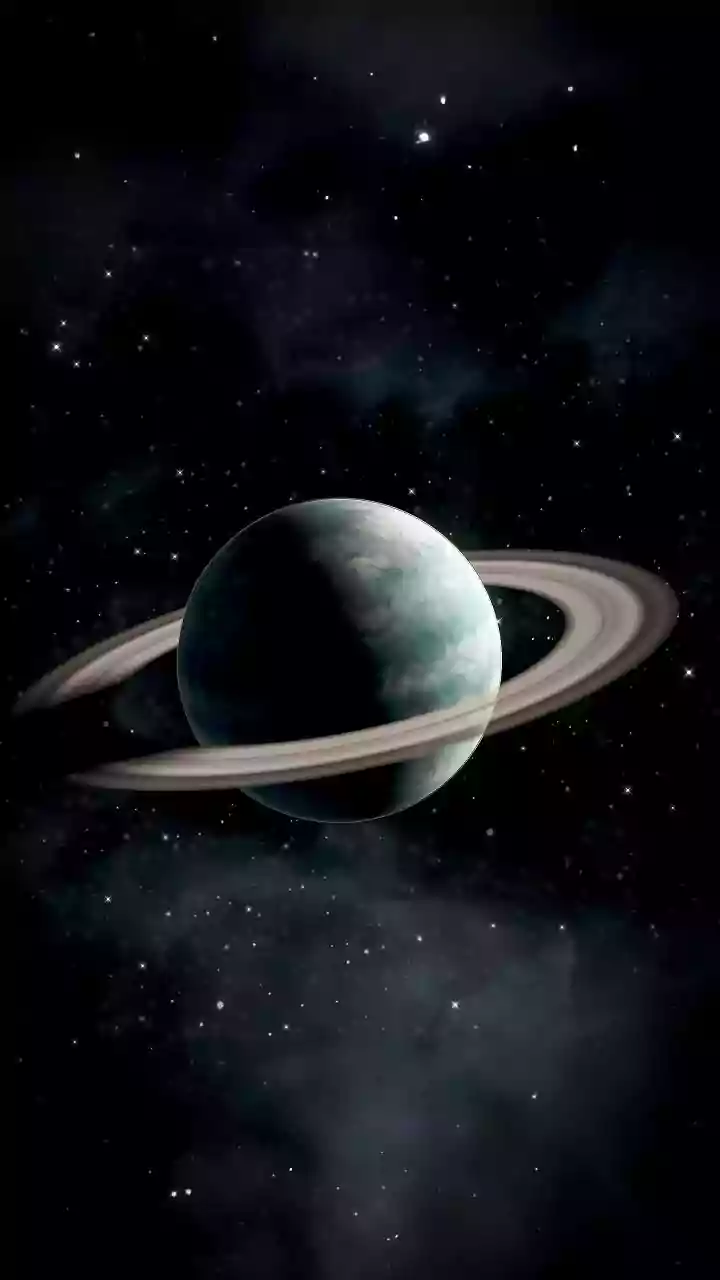
While the headline gives Saturn top billing, its biggest moment of the year actually comes on October 4, 2026, when it reaches opposition. Opposition is when Earth passes directly between the sun and an outer planet, making it appear at its brightest and largest for the year. However, August is still an excellent time to observe this golden-hued giant. Throughout the month, it will be a prominent and bright object in the night sky, rising in the east around sunset and remaining visible all night. Think of it as a stunning prelude to its main event in October. Its steady, unwavering light makes it a beautiful and easily identifiable target for aspiring astronomers.
How to Find and Observe Saturn
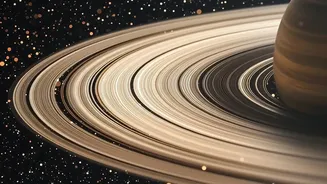
Finding Saturn is easier than you might think. It appears to the naked eye as a bright, yellowish, star-like object that doesn't twinkle as much as actual stars. On the morning of August 12, it will also be part of a rare six-planet alignment visible before dawn. To truly appreciate its famous rings, you will need a telescope. Even a small, modest telescope can reveal the stunning sight of the rings distinctly separate from the planet itself, an experience many astronomers say is unforgettable. If you have a good pair of binoculars, you might be able to discern that the planet is not perfectly round—a hint of its magnificent rings—and possibly even spot its largest moon, Titan, as a tiny speck of light nearby.
Other Celestial Treats This Month
August is packed with other reasons to look up. On August 7, early risers can catch the crescent moon near the beautiful Pleiades star cluster, also known as the Seven Sisters. Just two days later, on August 9, the moon will appear close to Mars, helping you locate the Red Planet in the pre-dawn sky. And while a spectacular total solar eclipse will also occur on August 12, it will unfortunately not be visible from anywhere in India. However, with a stunning meteor shower and the steady presence of the solar system's most beautiful planet, there is more than enough to keep your eyes turned to the heavens.