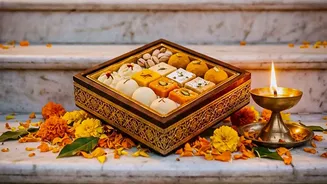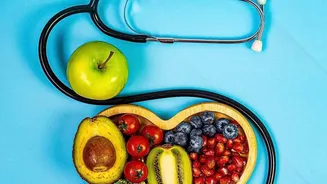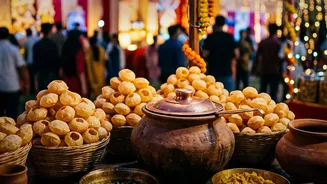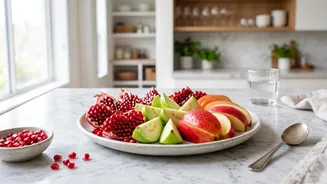





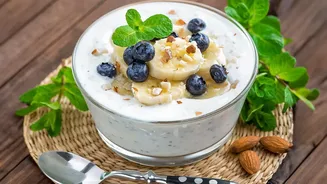

Diwali isn't complete without the joy of sharing mithai. But for the health-conscious, the festival can feel like a choice between tradition and wellness. This guide offers an evidence-led look at making smarter sweet choices without sacrificing flavour.
The Sweet Predicament
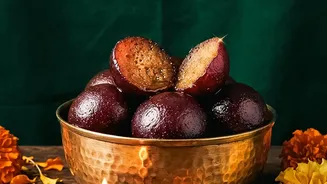
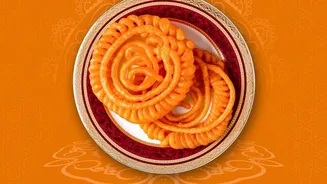
Traditional Indian sweets are central to Diwali celebrations, but many are high in refined sugar, processed flour (maida), and saturated fats. While delicious, overindulgence can lead to energy crashes, bloating, and other health concerns. A single piece of a classic sweet like Gulab Jamun can contain 150-200 calories, while a serving of Jalebi has a similar count. The goal isn't to eliminate these treats but to understand them and make informed swaps that align with a healthier lifestyle, allowing you to enjoy the festivities without the guilt.
Smart Sweetener Swaps
The single biggest health upgrade you can make is replacing refined white sugar. Natural alternatives not only sweeten your mithai but also bring nutritional benefits that white sugar lacks. Date palm jaggery, for instance, contains iron, magnesium, and potassium. Dates are another excellent choice, providing natural sweetness along with dietary fibre, which can help you feel full and support digestive health. Unlike refined sugar which provides empty calories, these natural sweeteners retain some of their original nutrients. Other options include coconut sugar, which has a slightly lower glycaemic index than table sugar, and raw honey. However, it's crucial to remember that even natural sweeteners are still sugars and should be consumed in moderation.
Rethinking Your Ingredients
Beyond sugar, the base ingredients of your sweets matter. Instead of refined flour (maida), consider using whole grains like ragi (finger millet) or besan (gram flour). Ragi is a good source of calcium, iron, and fibre, making for a much more nutritious ladoo. Besan is rich in protein and slow-digesting carbs. Nuts and seeds are also your friends. Sweets like Date and Nut Barfi or Dry Fruit Ladoos are packed with healthy fats, protein, and fibre from ingredients like almonds, walnuts, and pistachios. These nutrient-dense options are more satisfying and provide sustained energy compared to their sugar-heavy counterparts.
A Comparative Glance: Healthier Choices
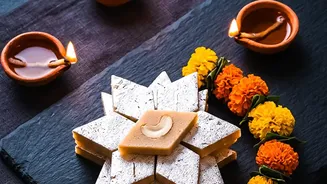
Making a better choice can be as simple as understanding the composition of your favourite sweets. A Date and Fig Barfi, sweetened naturally with dried fruit, is a far more nutrient-dense option than a classic Kaju Katli, which is primarily cashews and sugar. Similarly, a baked Gujiya offers the same festive flavour as a fried one but with significantly less oil and fewer calories. Opting for sweets made from paneer, like Sandesh or Rasgulla, can also be a lighter choice as they are protein-rich and not typically deep-fried. A single piece of Rasgulla usually contains fewer calories than a Gulab Jamun.
The Power of Portion Control
Even with healthier sweets, mindful consumption is key. Nutritionists advise against skipping meals to 'save' calories for a festive feast, as this can lead to overeating later. A more sustainable approach is to eat slowly and savour each bite, which gives your brain time to register fullness. Instead of trying every mithai on the platter, choose one or two that you genuinely love and enjoy them without guilt. Pairing your sweet treat with a balanced meal that includes protein and fibre can help slow down sugar absorption and prevent sharp spikes in blood sugar. Staying hydrated throughout the day also helps, as thirst is often mistaken for hunger.