



1. Mint (Pudina)
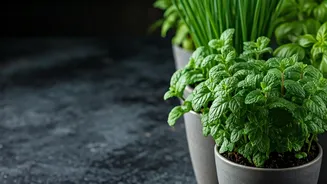
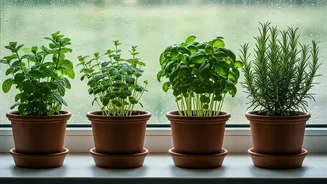
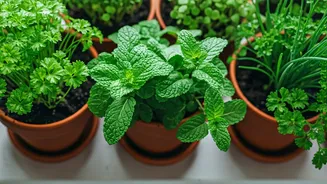
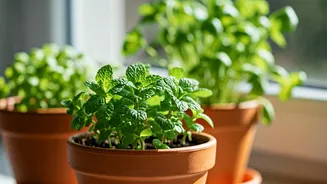
Mint is one of the most forgiving herbs, making it perfect for beginners and those with less-than-ideal lighting. Known for its vigorous growth, it can flourish even with indirect or filtered light. In fact, some shade can help keep its growth in check.
Varieties like spearmint and peppermint are popular choices for home growing. For best results, keep the soil consistently moist but never waterlogged; mint enjoys humidity but its roots dislike sitting in water. It's famously invasive, so always plant it in its own pot to prevent it from taking over other plants. Trim the tips regularly to encourage a bushier, fuller plant and prevent it from becoming tall and leggy. These fresh leaves are perfect for everything from a refreshing cup of tea to flavouring chutneys and raitas.
2. Parsley
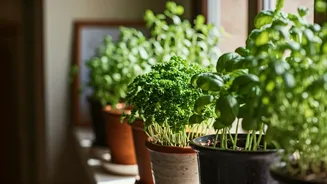
A staple in many cuisines, parsley is another herb that doesn’t demand direct sunlight to produce its vibrant, nutrient-rich leaves. While it does best with a few hours of sun, it can grow well with gentle morning light or even reflected light, making a spot near a north-facing window suitable. Both curly and flat-leaf (Italian) varieties can be grown indoors, though the curly type is often considered more compact and better suited for lower light. Parsley has a long taproot, so choose a pot that offers some depth. Ensure the soil stays evenly moist and provide good air circulation to keep the plant healthy. You can begin harvesting by snipping the outer stems, which allows new growth to continue from the center of the plant. This method ensures you have a steady supply for garnishing soups, salads, and curries.
3. Chives
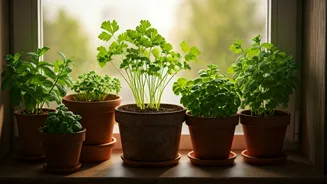
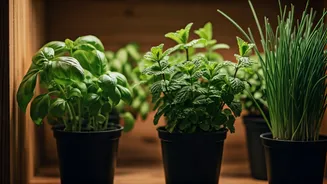
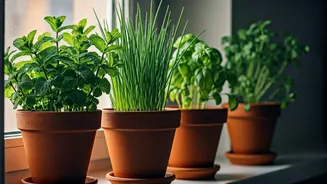
If you want a subtle onion flavour without the fuss, chives are an excellent choice. These hardy perennials are one of the easiest herbs to grow indoors and are remarkably tolerant of lower light conditions. While they thrive in full sun, they can adapt to partial shade, though their growth might be slower and the flavour slightly milder. Their slender, grass-like blades grow in clumps and are perfect for snipping into eggs, soups, and dips. To harvest, simply cut the leaves about one or two inches above the soil, which encourages the plant to quickly regrow. Chives do well in standard potting mix with good drainage and require watering when the top inch of soil feels dry. With minimal maintenance, an indoor chive plant can provide fresh flavour for years.
4. Lemon Balm
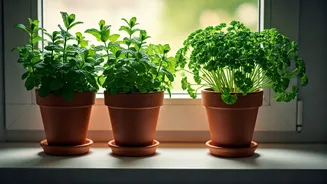
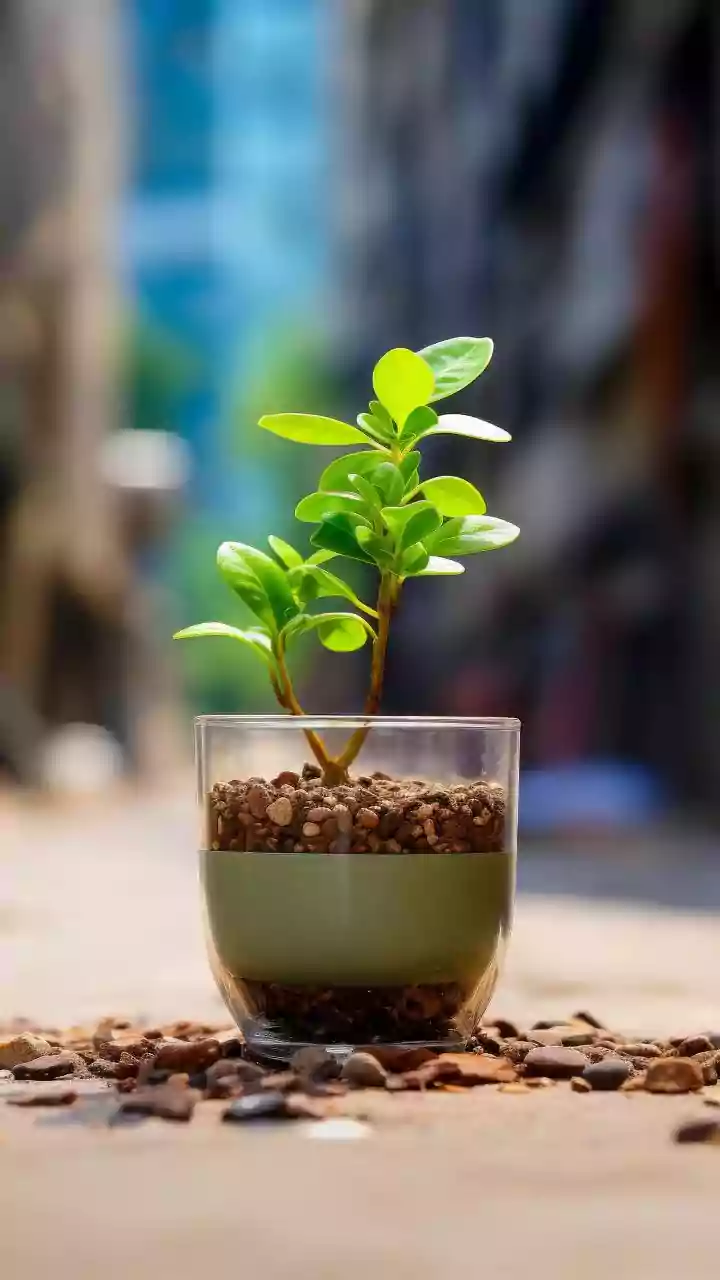
As a member of the mint family, lemon balm shares its relative's tolerance for less-than-perfect light. While many sources recommend a sunny spot for the most intense flavour, it grows steadily with just a few hours of indirect light per day. This herb is prized not just for its culinary uses but for its wonderful, mood-boosting citrus scent. To grow it successfully indoors, use a pot with good drainage and keep the soil regularly watered without letting it get soggy. Pinching off the tops of the plant regularly will prevent it from getting leggy and encourage fuller growth. It's also important to remove any flowers that start to form, as this can cause the leaves to lose their desired flavour. The fresh leaves can be used to make a calming herbal tea or add a zesty note to salads and desserts.