


Easy Entry and Smart Currency
Getting to Sri Lanka is straightforward for Indian citizens. As of mid-2026, a free 30-day Electronic Travel Authorization (ETA) is available, which you must apply for online before your trip. While the ETA itself is free, ensure your passport has at least
six months of validity from your arrival date. For money matters, the Sri Lankan Rupee (LKR) offers a favourable exchange rate against the Indian Rupee (INR), making daily expenses feel manageable. It's wise to exchange a small amount at the airport for immediate needs and the rest in cities like Kandy for better rates. While a budget trip can be done for as little as ₹35,000 for a week, planning for ₹50,000 to ₹60,000 allows for a more comfortable experience.
The Journey is the Destination
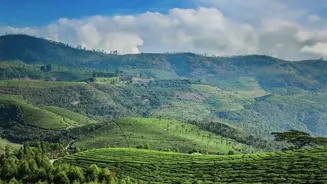
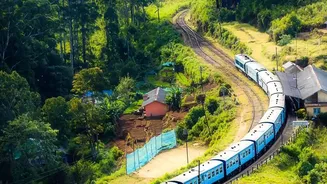
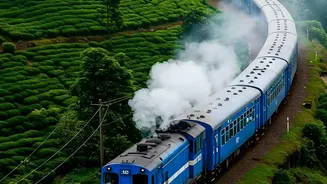
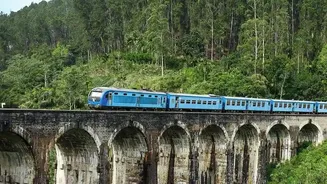
The most iconic and budget-friendly way to see the tea country is by train. The route from Kandy to Ella is world-renowned for its breathtaking views of plantations, valleys, and villages. Second and third-class tickets are incredibly cheap, costing only a few hundred rupees, and offer an authentic experience with open windows perfect for photography. Book these tickets a few days in advance at a local station. While first-class observation cars are available, they sell out quickly and are pricier. For routes not covered by trains, local buses are the next best option. They are the cheapest way to get around, with most short journeys costing less than ₹150, though they can be crowded. Apps like PickMe can be used in larger towns for booking tuk-tuks at fair prices.
Charming Stays That Don’t Break the Bank
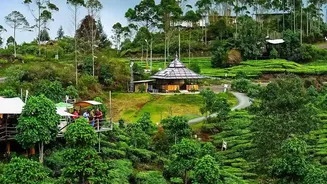
The tea country is dotted with affordable guesthouses and homestays that offer a warm, local experience for a fraction of the cost of large hotels. In towns like Nuwara Eliya and Ella, you can find clean, comfortable rooms for ₹1,500 to ₹3,000 per night. These stays often include home-cooked meals, providing another opportunity to save money and savour authentic Sri Lankan food. Booking a guesthouse near a train station or a central location can also help reduce daily transport costs. Many hosts are happy to share local tips, from the best viewpoints to the tastiest eateries, adding immense value to your trip.
A Feast for Your Wallet
One of the biggest savings comes from food. Instead of dining at tourist-centric restaurants, eat where the locals do. Small roadside eateries, often just called 'hotels', serve delicious and filling meals like rice and curry for just a few hundred rupees. A generous plate typically includes rice with several vegetable curries, dhal, and a 'papadum'. Don't miss out on street food favourites like kottu roti (chopped flatbread stir-fried with vegetables and spices) and egg hoppers. A daily food budget of ₹800 to ₹1,500 is realistic for budget travellers who stick to local spots.
Million-Dollar Views for Free
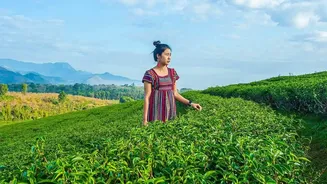
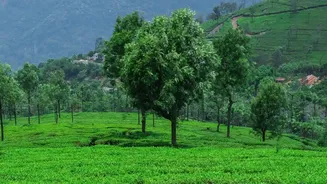
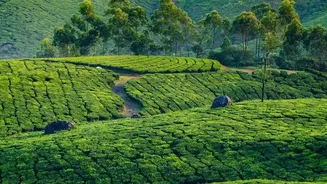
The beauty of the tea country is that many of its best experiences are free. Hiking is a fantastic way to immerse yourself in the landscape. Trails like Little Adam's Peak in Ella offer spectacular panoramic views and don't have an entrance fee. Walking through tea plantations is another must-do. While some large estates charge for guided tours, many smaller ones allow you to wander freely. Some factories, like the Kadugannawa Tea Factory near Kandy, may even offer free tours and a complimentary cup of tea. Simply walking along the famous railway tracks (when no trains are due!) near Ella or Haputale provides some of the most memorable and photogenic moments of any trip.