





What Is Soundwave Technology?
At its core, soundwave crop protection is a form of bio-acoustic pest management. This approach uses sound, often at frequencies above the range of human hearing (ultrasonic), to repel, disrupt, or deter pests like insects and rodents. Instead of spraying
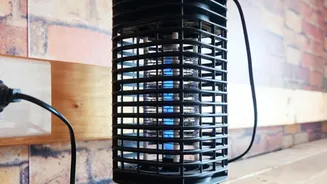
chemicals that can leave residue and harm beneficial organisms, this technology deploys targeted sound waves. These waves create an acoustically hostile environment for pests, interfering with their communication, navigation, and even reproductive behaviors, encouraging them to leave the area without being killed by toxins. It’s a shift from a chemical battle to a behavioral one, leveraging the pests' own biology against them in a non-toxic way.
How Frequencies Fight Pests
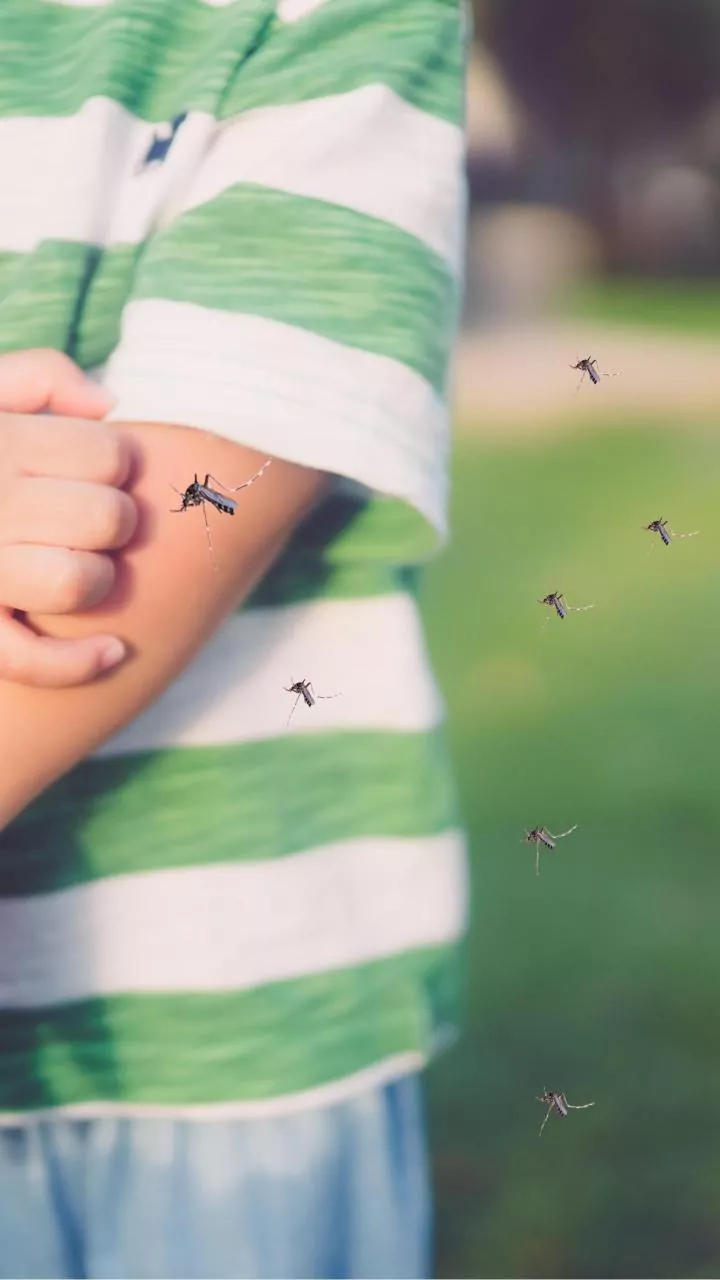
The science works by exploiting how insects and other pests perceive the world. Many pests use sound and vibration to communicate, find mates, or sense danger. Soundwave technology, emitted from specialized transducers, can mimic the ultrasonic cries of predators like bats or create disorienting noise that jams their own communication channels. Studies have shown that certain ultrasonic frequencies can negatively affect the nervous systems of insects, reducing their mobility and desire to feed. One study in a greenhouse setting found that frequencies between 30 and 50 kHz were highly effective against common pests like whiteflies and aphids, leading to their complete eradication over an eight-day period. The goal isn't necessarily to kill the pests, but to make the environment so uncomfortable they choose to move on.
Why Urban Farms Are the Perfect Testbed
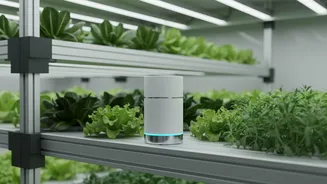
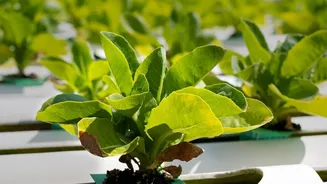
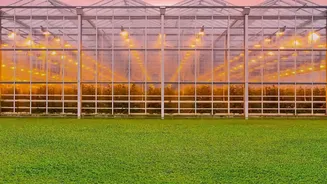
Urban farms are uniquely positioned to benefit from this technology. These operations are typically smaller, enclosed, or semi-enclosed environments like greenhouses and vertical farms, where sound waves can be contained and directed effectively. Environmental factors like background noise and humidity, which can weaken the signals over long distances on a traditional farm, are more easily controlled indoors. Furthermore, urban consumers are often highly motivated by sustainability and the promise of produce grown without chemical pesticides. This creates strong market demand for clean, innovative growing methods. Urban farms also face unique pressures, like proximity to residences, which makes non-toxic, silent-to-humans solutions especially attractive.
Sound vs. Chemicals: The Showdown
The most significant advantage of soundwave technology is its eco-friendly profile. It’s non-toxic, leaves no chemical residue on crops, and is safe for humans and pets. However, the headline's claim of 'replacement' requires some nuance. While highly effective in specific contexts, the technology has limitations. The initial equipment cost can be high, and its effectiveness can vary by pest species and environmental conditions. Some studies note that pests can become habituated to a constant sound over time, reducing its impact. For this reason, many experts see it as a powerful component of an Integrated Pest Management (IPM) program, a strategy that combines multiple eco-friendly tactics like row covers and beneficial insects, rather than a single, standalone solution for all pest problems.
Beyond the City Limits?
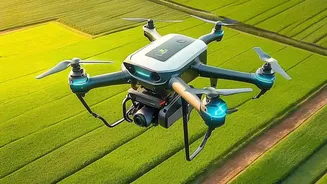
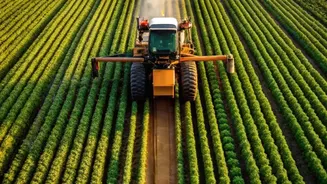
The big question is whether this technology can scale to protect America's vast traditional farms. The challenges are significant. Open fields present issues with sound dissipation and environmental interference. However, the technology is evolving. Researchers are exploring ways to combine acoustic signals with other attractants like pheromones and are using AI to automate the detection of pest sounds and deploy counter-frequencies more precisely. While soundwaves may not replace chemical pesticides entirely across millions of acres anytime soon, they represent a crucial step forward. This innovation is part of a broader movement in agriculture toward precision technology that produces more food with fewer chemical inputs, a goal critical for a sustainable future.