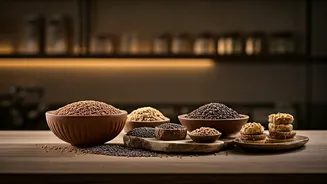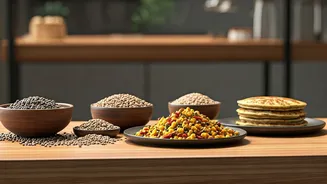



From Forgotten Grain to Superfood Star
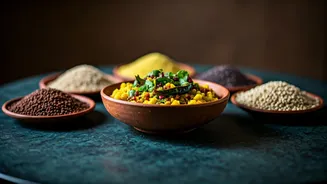
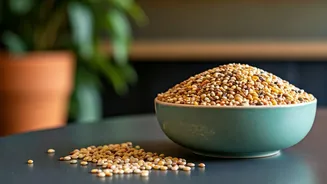
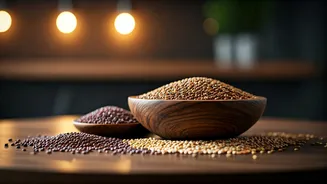
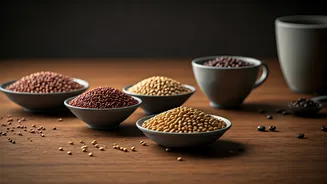
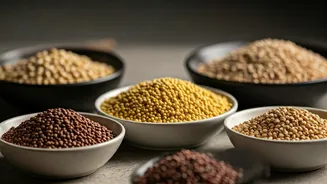
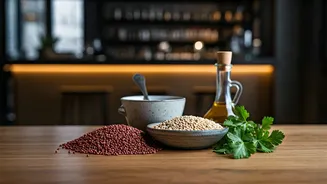
For decades, millets like jowar (sorghum), bajra (pearl millet), and ragi (finger millet) were overshadowed by wheat and rice. [16, 14] Considered a humble, rural staple, they gradually faded from urban diets. [8] However, a powerful resurgence is underway,
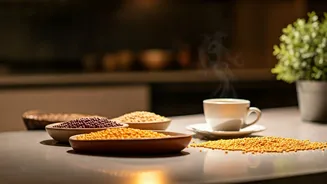
driven by a perfect storm of factors. The United Nations declaring 2023 the 'International Year of Millets,' at India's request, placed a global spotlight on these grains, boosting awareness and encouraging their use. [9, 18] This government-backed push, combined with a growing consumer focus on health, wellness, and sustainability, has transformed millets from forgotten food to a modern-day superfood. [6, 8] Cafes and restaurants, often the incubators of food trends, have been quick to embrace this shift, reintroducing these ancient grains to a new generation of diners. [2]
What's on the Modern Millet Menu?
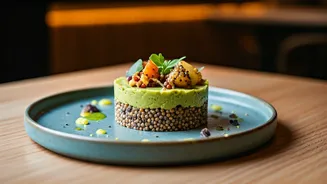
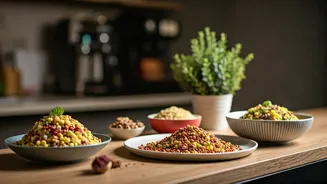
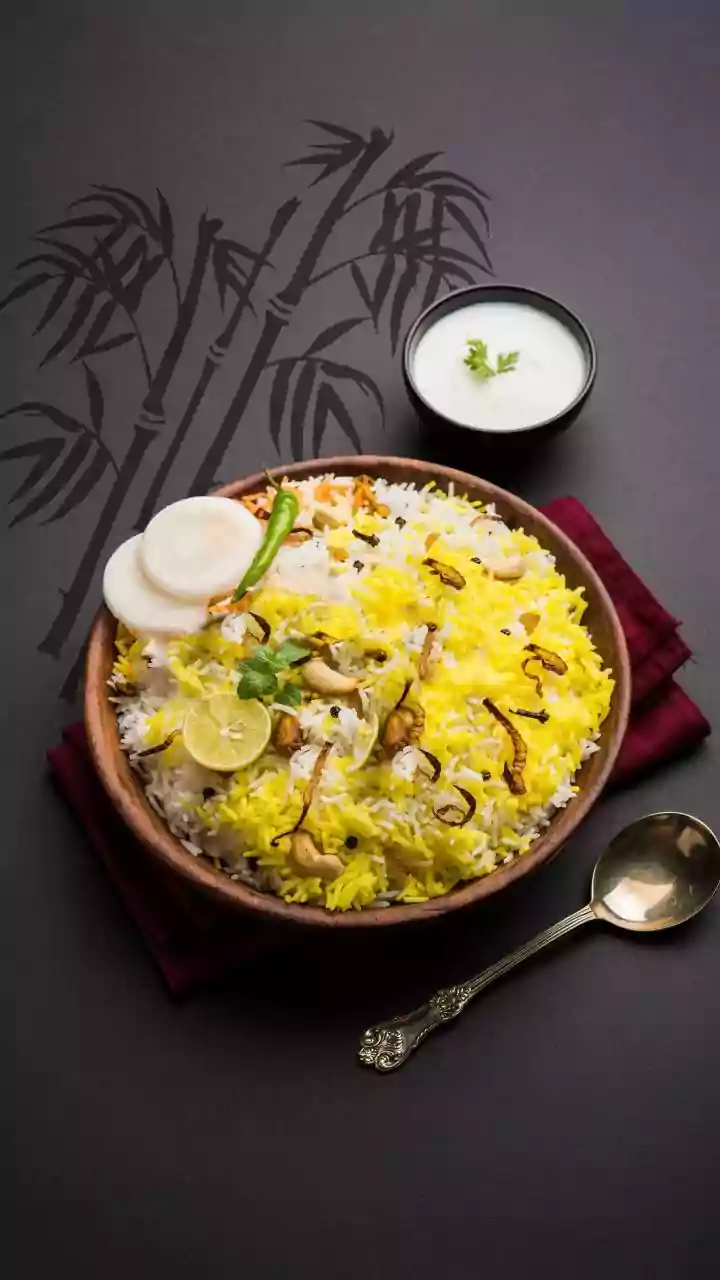
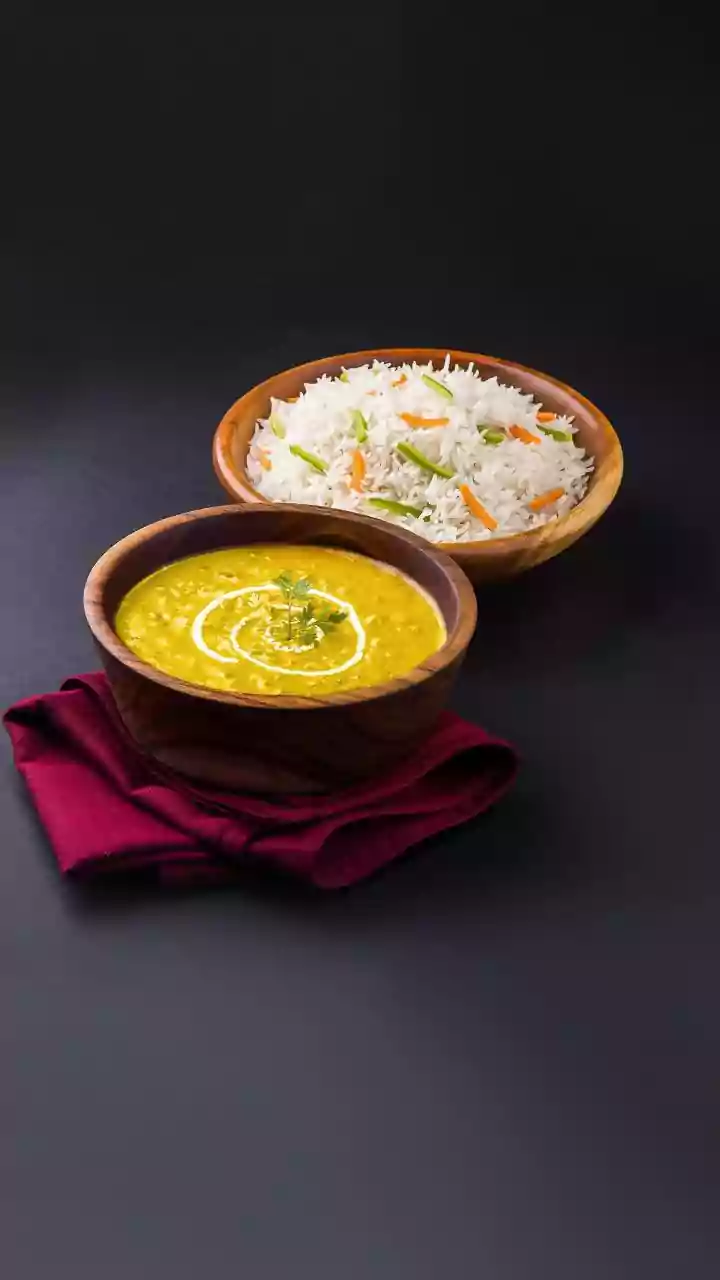
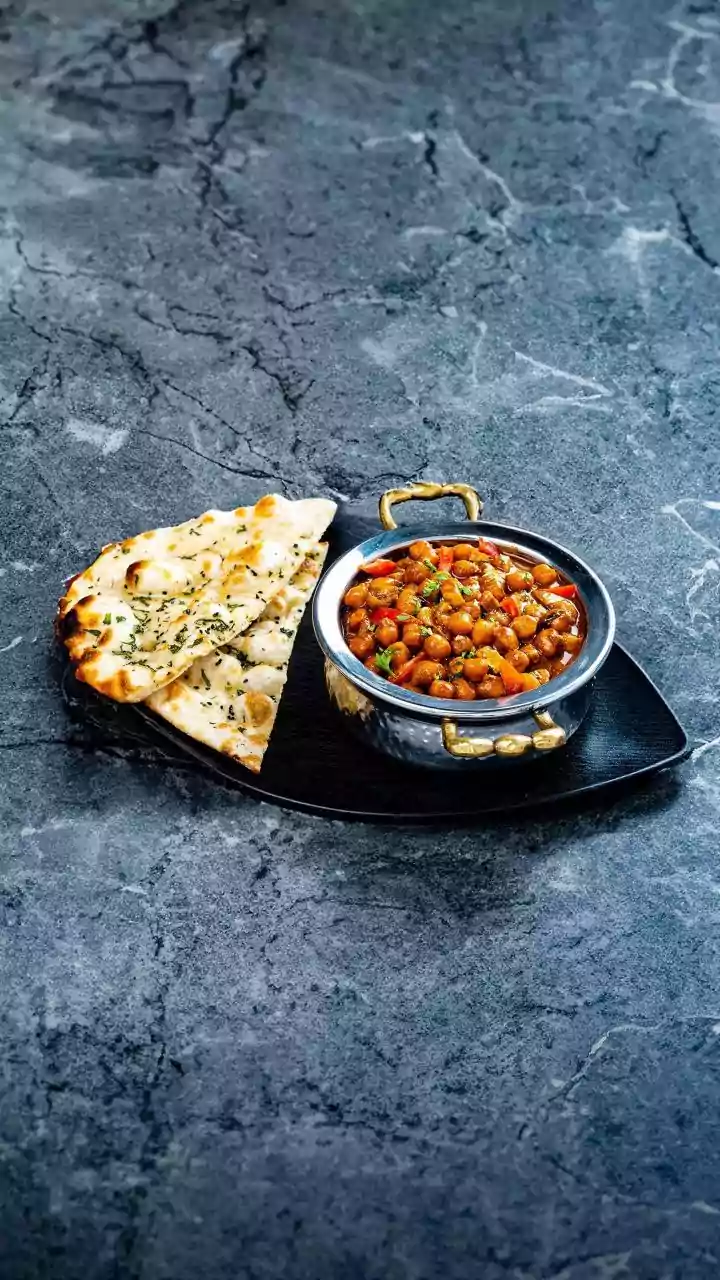
The magic of the millet comeback lies in its creative adaptation. Cafes aren't just serving traditional porridge; they are reinventing millets for the contemporary palate. [2] Menus across cities like Bengaluru, Mumbai, and Delhi now feature innovative dishes that blend global formats with local ingredients. [4] You might find ragi tacos, foxtail millet salads, barnyard millet sushi, or even jowar-based pizza crusts. [2, 10, 4] Breakfast menus boast ragi pancakes and dosas, while lunch might offer a nourishing pearl millet risotto or a hearty millet bowl. [2, 15] Even desserts are getting a makeover, with treats like millet brownies and ragi cheesecakes offering a guilt-free indulgence. [7, 4] These creative applications make millets approachable and exciting, moving them beyond their reputation as just a health food. [8]
The Health Halo and Sustainability Cred
A huge driver of this trend is, without a doubt, health. Urban consumers are increasingly conscious of lifestyle diseases and are seeking nutritious alternatives to refined grains. [6] Millets are a nutritional powerhouse—they are naturally gluten-free, rich in fibre and protein, and packed with essential minerals like iron and magnesium. [7, 5] Their low glycemic index helps in managing blood sugar levels, making them a preferred choice for the health-aware. [6, 2] But the appeal goes deeper. Millets are also incredibly sustainable. These are hardy, climate-resilient crops that require significantly less water than rice and wheat, making them a smart choice for an environmentally conscious world. [7, 5] This combination of personal health benefits and planetary wellness gives millets a powerful 'halo' that resonates strongly with today's diners. [21]
A Return to Indian Roots
While health fads and global trends come and go, the millet movement feels different because it's fundamentally a homecoming. [8] For years, the Indian cafe scene was dominated by imported 'superfoods' like quinoa and avocado. [2] The turn towards millets signals a growing confidence in our own indigenous agricultural heritage. It’s a reconnection with Indian food wisdom, where dishes were designed for nutritional balance and local sourcing long before these became buzzwords. [14, 17] Chefs are not just adding an ingredient; they are exploring and celebrating the versatility of grains that are deeply rooted in Indian soil and culture. [9] This shift represents more than just a menu update; it’s a statement of culinary identity, proving that modern, exciting food can also be authentically Indian.