




The Human Frontier: Gaganyaan and Beyond
The centerpiece of ISRO's near-term ambition is the Gaganyaan mission, India's inaugural human spaceflight program. The goal is to send a crew of three astronauts into a 400-kilometer orbit for a three-day mission and return them safely to Earth. This
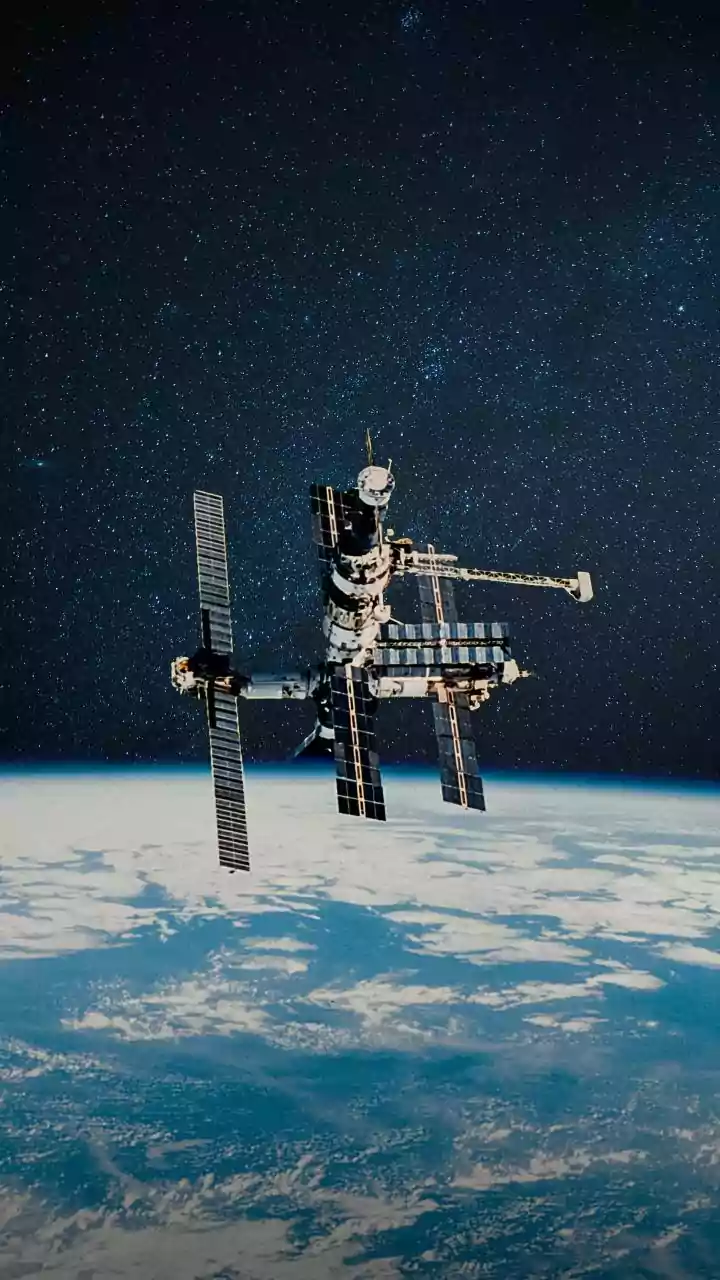
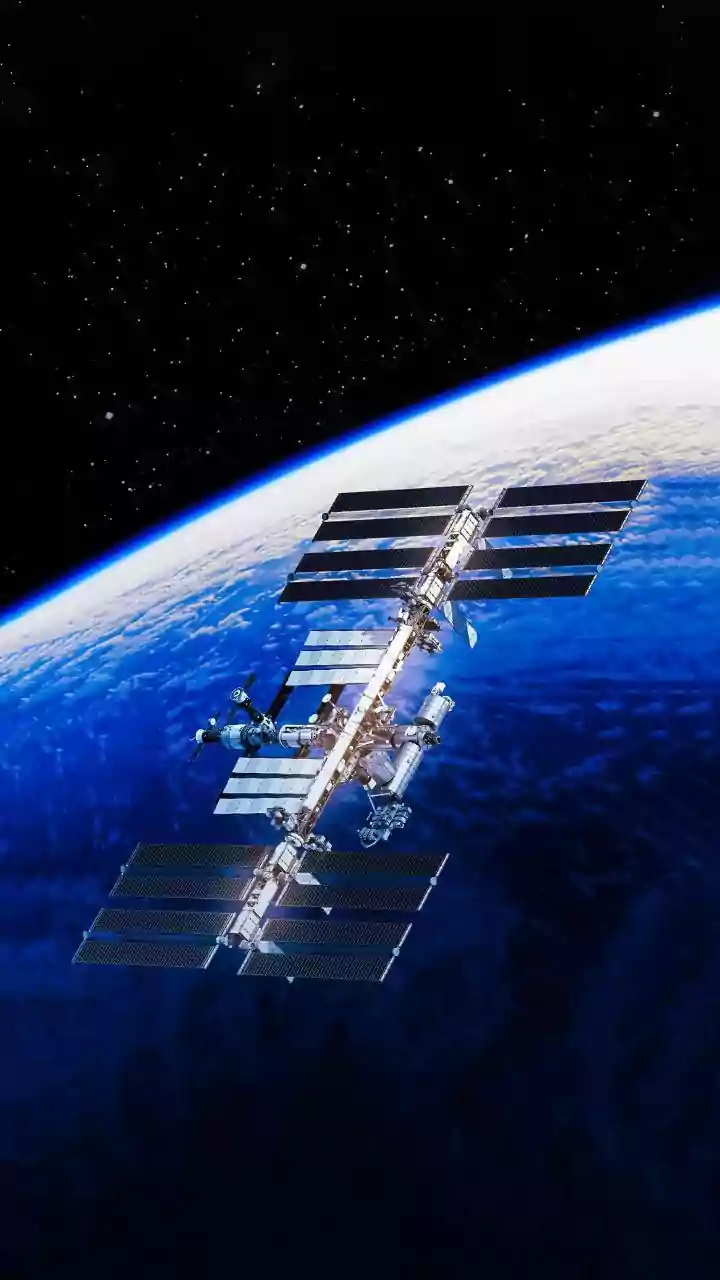
will make India only the fourth nation in the world to independently send humans into space, following the Soviet Union, the United States, and China. But Gaganyaan is just the beginning. The technologies developed for this mission—from life support systems to re-entry capabilities—are the foundational building blocks for a much grander vision: the Bharatiya Antariksha Station. This modular Indian space station is planned to have its first component in orbit by 2028, with the full station operational by 2035, providing a platform for long-duration scientific research in microgravity.
New Targets: Venus and a Return to Mars
After triumphantly planting its flag on the lunar south pole and successfully orbiting Mars, ISRO is setting its sights on Earth's other neighbour: Venus. The Shukrayaan-1, or Venus Orbiter Mission, is slated for a March 2028 launch. This mission aims to perform a comprehensive study of Venus's notoriously dense atmosphere and volcanic surface, exploring how solar activity impacts its environment. It will also test advanced technologies like aerobraking for the first time in an Indian deep-space mission. Alongside this new venture, a return to the Red Planet is on the cards with the Mars Orbiter Mission 2 (MOM 2). While details are still emerging, the mission will build upon the groundbreaking success of its predecessor, carrying a more sophisticated scientific payload to further unravel the mysteries of Mars.
The Powerhouse: Next-Generation Launch Vehicles
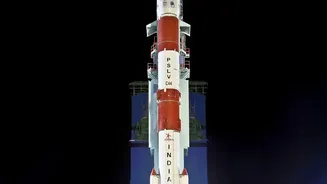
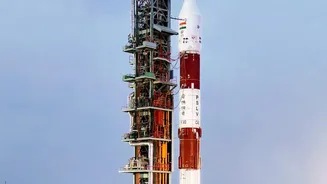
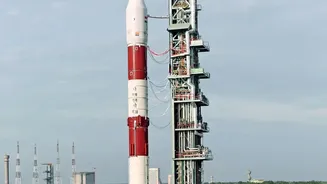
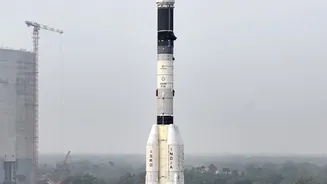
To launch these ambitious projects, ISRO needs more powerful and cost-effective rockets. Enter the Next Generation Launch Vehicle (NGLV). This new family of launchers is designed to be partially reusable, a game-changer that promises to dramatically lower the cost of accessing space. The NGLV will eventually replace workhorses like the PSLV and GSLV, offering a payload capacity of up to 30 tonnes to Low Earth Orbit. This heavy-lift capability is essential for assembling the Bharatiya Antariksha Station in orbit and for launching large interplanetary probes. Development began in late 2024, with a focus on semi-cryogenic engines that use a refined, cleaner fuel combination, positioning India at the forefront of sustainable launch technology.
Fueling the Future: A Booming Space Economy
Underpinning this entire strategy is a vision for a massively expanded Indian space economy. By opening the sector to private participation, the government aims to grow the space economy from around US$ 8.4 billion to US$ 44 billion by 2033. This involves fostering a vibrant ecosystem of startups and established companies that can contribute to everything from satellite manufacturing to launch services. The creation of IN-SPACe, a dedicated agency to promote and authorise private space activities, has already spurred the growth of hundreds of space startups. This public-private partnership is designed to accelerate innovation, create jobs, and increase India's share of the global commercial space market from 2% to a target of 8-10%.