



The Two Faces of Cardamom
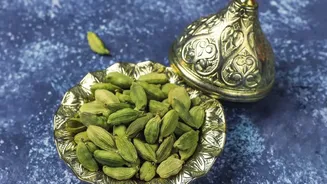
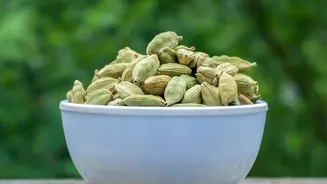
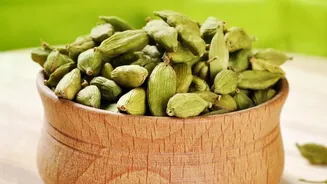
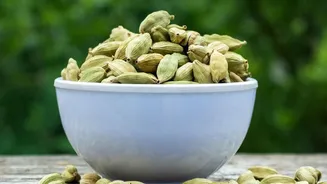
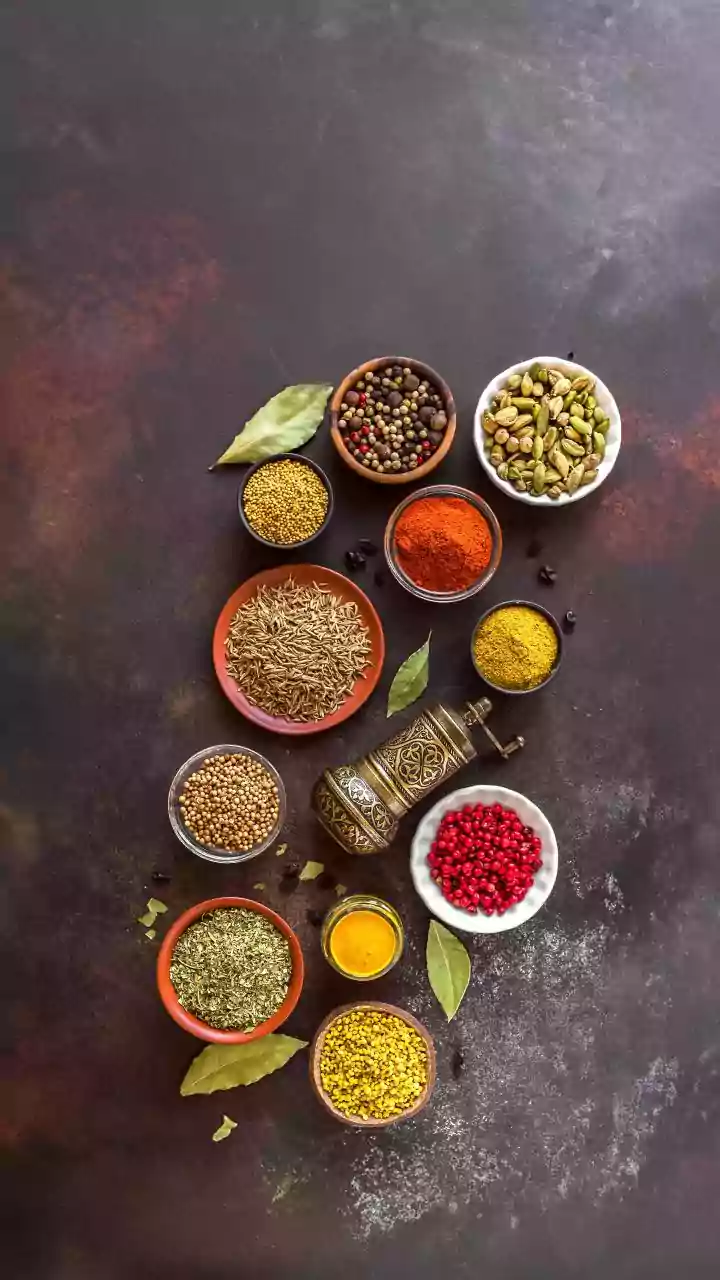
Before you start cooking, it is crucial to know which cardamom to use, as the two main varieties are not interchangeable. Green cardamom, or 'choti elaichi', is the most common type, with a complex flavour that is sweet, floral, and slightly citrusy with a hint
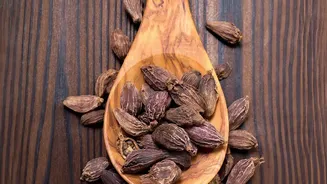
of mint. This makes it perfect for both desserts and savoury dishes. Black cardamom, or 'badi elaichi', is entirely different. The pods are dried over a fire, which imparts a powerful, smoky flavour and a camphor-like aroma. Its robust profile is best suited for hearty, savoury dishes like slow-cooked meat curries and lentil preparations, where it adds a deep, resonant flavour. Using black cardamom in a sweet dish would be a mistake, as its smoky character would be overpowering.
Beyond Chai and Kheer
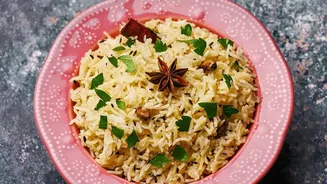
While cardamom is a star in Indian desserts and beverages, its true potential shines in savoury cooking. A few pods of green cardamom can elevate a simple pot of rice, infusing it with a subtle, aromatic fragrance. When making a biryani or pulao, adding whole green cardamom pods to the hot oil at the beginning is a classic technique to release their flavour throughout the dish. For curries, especially creamy ones like a korma, ground green cardamom adds a layer of sophistication. Don't shy away from using it in vegetable preparations, either. A pinch of cardamom powder can beautifully complement the sweetness of carrots or the earthiness of mushrooms. Black cardamom, on the other hand, is the secret to restaurant-quality depth in dishes like Chana Masala or robust meat curries like Rogan Josh. Remember to use it whole, as its flavour is intense.
A Pinch of Wellness
Beyond its culinary uses, cardamom has been valued for centuries in traditional remedies for its potential health benefits. It is widely known for its ability to aid digestion, helping to soothe the stomach and alleviate issues like bloating and gas. Many people in India chew on the pods as a natural breath freshener, thanks to its antibacterial properties that can help maintain oral hygiene. The spice is also rich in antioxidants, which help fight inflammation in the body. Some studies suggest it may help in lowering blood pressure and improving respiratory health by enhancing circulation within the lungs. While research is ongoing, incorporating this flavourful spice into your diet is an easy way to tap into these traditional wellness benefits.
Kitchen Guide: Pods, Seeds, or Powder?
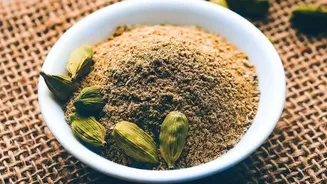
How you use cardamom affects its flavour. Whole pods are ideal for slow-infusion dishes like rice, stews, or milk-based sweets, as they release their aroma gradually. It is a good practice to remove the pods before serving, as biting into one can be unpleasantly strong. For a more immediate and intense flavour, you can crack the pods and use the tiny black seeds inside, either whole or freshly ground. Pre-ground cardamom powder is convenient but loses its potency quickly. For the best flavour, buy whole green cardamom pods and grind the seeds yourself in small batches. To maintain freshness, store your cardamom in an airtight container in a cool, dark place, away from moisture and sunlight. Whole pods, stored correctly, can retain their flavour for up to two years.