






More Than Just a Rest Day
For years, the fitness ethos was simple: work harder, push your limits, and then collapse on the sofa for a 'rest day'. But a new understanding of how the body repairs itself is changing the game. Active recovery involves performing low-intensity exercises
after a strenuous workout or on a designated rest day. Instead of complete inactivity (known as passive recovery), the goal is to keep the body moving gently. Think of a light walk, a slow-paced swim, or a restorative yoga session. The idea is not to add more stress but to aid the body's natural healing processes, making your recovery phase work for you.
The Burnout Balance for a Hectic Life
The rise of active recovery syncs perfectly with the modern Indian professional's lifestyle. Juggling demanding careers, social commitments, and ambitious fitness goals often leads to physical and mental burnout. The all-or-nothing approach to fitness, where one either does a brutal workout or nothing at all, is proving unsustainable. Active recovery offers a middle path. It allows individuals to stay consistent with their fitness habits without the risk of overtraining or injury. It's a recognition that fitness is a long-term journey, and longevity requires a smarter approach that includes mindful movement and listening to your body's needs.
What the Science Says
The benefits of active recovery are backed by a growing body of evidence. Engaging in light activity increases blood flow to tired muscles and tissues. This enhanced circulation delivers more oxygen and nutrients, which helps repair micro-tears caused by intense exercise. It also helps to more effectively flush out metabolic byproducts like lactate, which is often associated with the muscle soreness and stiffness you feel after a tough workout (a condition known as delayed onset muscle soreness, or DOMS). While it may not eliminate soreness entirely, studies show that active recovery can be an effective strategy for reducing muscle pain and getting you ready for your next big workout sooner.
Active vs. Passive Recovery: What's the Difference?
It's important to understand that active recovery isn't meant to replace passive recovery—both are crucial. Passive recovery is complete rest, like getting a full night's sleep, which is non-negotiable for muscle repair and overall health. Active recovery is what you do in between. While passively resting on the couch might feel good, research suggests that light movement can dissipate lactate from the blood more effectively. One study on swimmers found active recovery helped clear 68% of accumulated lactate. The key is to listen to your body; if you are injured, ill, or truly exhausted, a complete day off might be the best choice. Otherwise, a gentle session can be surprisingly beneficial.
Smart Recovery for a Busy Schedule
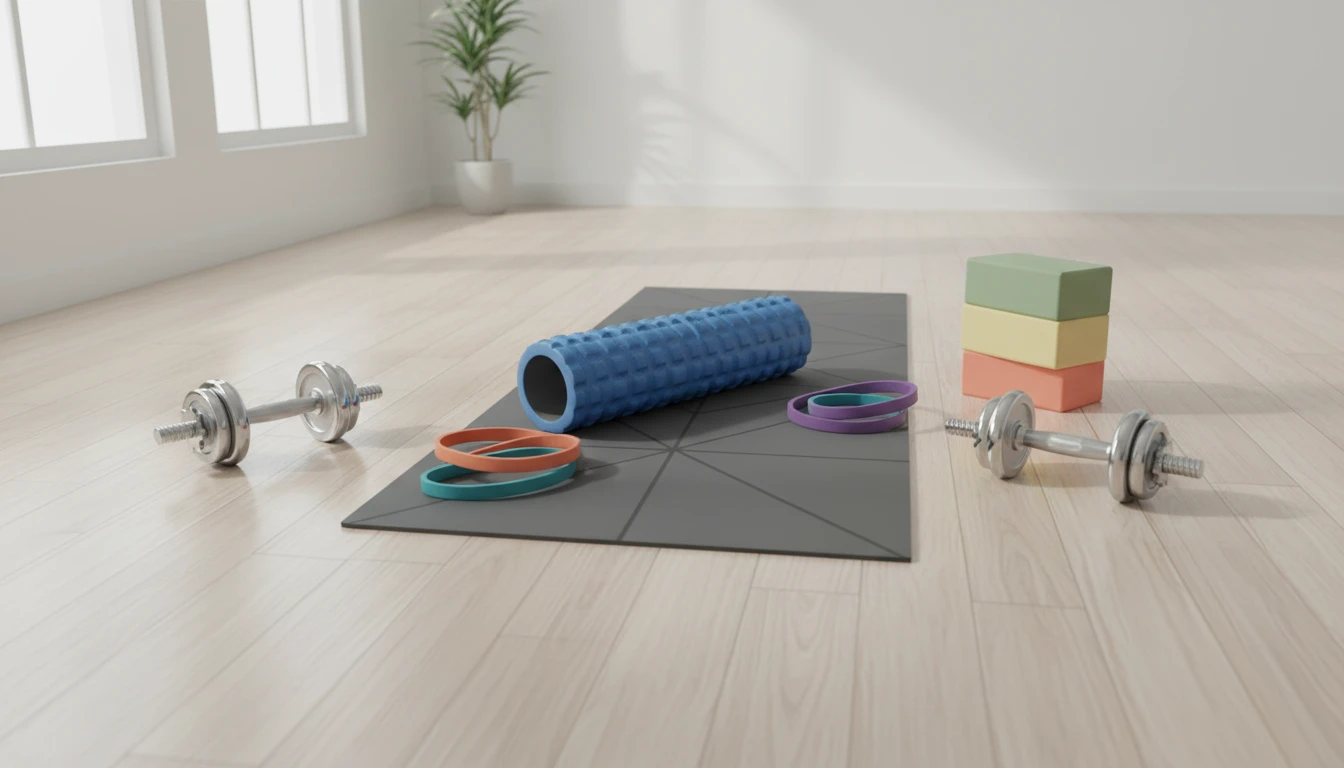
Incorporating active recovery doesn't require a huge time commitment or a special facility. The key is to keep the intensity low, generally below 60% of your maximum heart rate, where you can easily hold a conversation. For busy professionals, this can be seamlessly integrated into the day. Consider a 20-minute brisk walk during your lunch break. Swap a high-intensity session for a gentle yoga or stretching flow at home using a YouTube video. A light cycle or swim on the weekend can also be a great option. Even simple mobility exercises or foam rolling while watching TV can contribute to your recovery, helping to reduce muscle tension and keep your joints mobile.