
The Hearty Flavours of the North
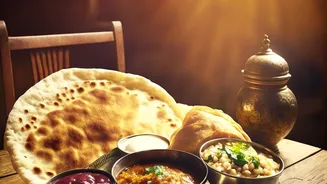
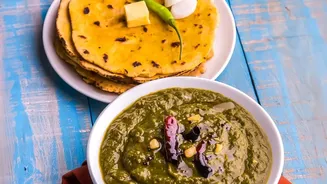
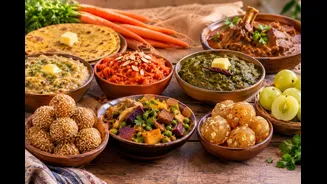
In North India, winter is synonymous with lush green fields of mustard. This gives us 'sarson', the key ingredient for the iconic Punjabi dish, Sarson da Saag. Traditionally slow-cooked for hours, this robust puree of mustard greens, often mixed with spinach
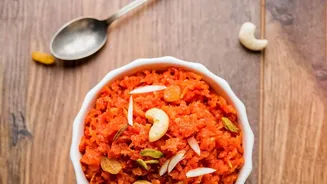
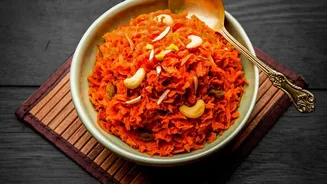
or bathua, has a unique, slightly pungent flavour that is mellowed with a generous dollop of white butter or ghee. It’s typically served with Makki ki Roti, a rustic flatbread made from maize flour. Winter also brings an abundance of sweet, red carrots, which are transformed into Gajar ka Halwa. This beloved dessert involves simmering grated carrots in milk and ghee until they form a rich, pudding-like consistency, fragrant with cardamom and studded with nuts. It's a sweet, comforting end to a chilly day.
The Rich Bounty of the West
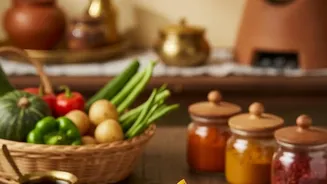
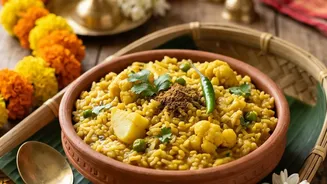
Western India, particularly Gujarat, celebrates winter with Undhiyu, a culinary masterpiece. The name comes from the Gujarati word 'undhu', meaning 'upside down', which refers to the traditional method of cooking the dish in an earthenware pot buried underground. This complex, slow-cooked casserole features a medley of winter vegetables like surti papdi (flat beans), purple yam, sweet potatoes, and baby eggplants. These are often stuffed with a masala of coconut and spices and combined with 'muthia', which are spiced fenugreek dumplings. Further north, in Rajasthan, winter calls for warming grains like pearl millet ('bajra'). Bajra Khichdi, a one-pot meal of millet and lentils, is a rustic and filling classic, believed to generate body heat. Often served with a generous spoonful of ghee, it is the ultimate comfort food for a cold desert night.
The Sweet Warmth of the East
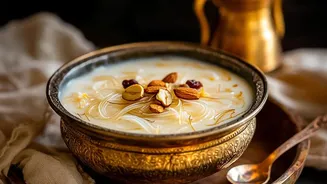
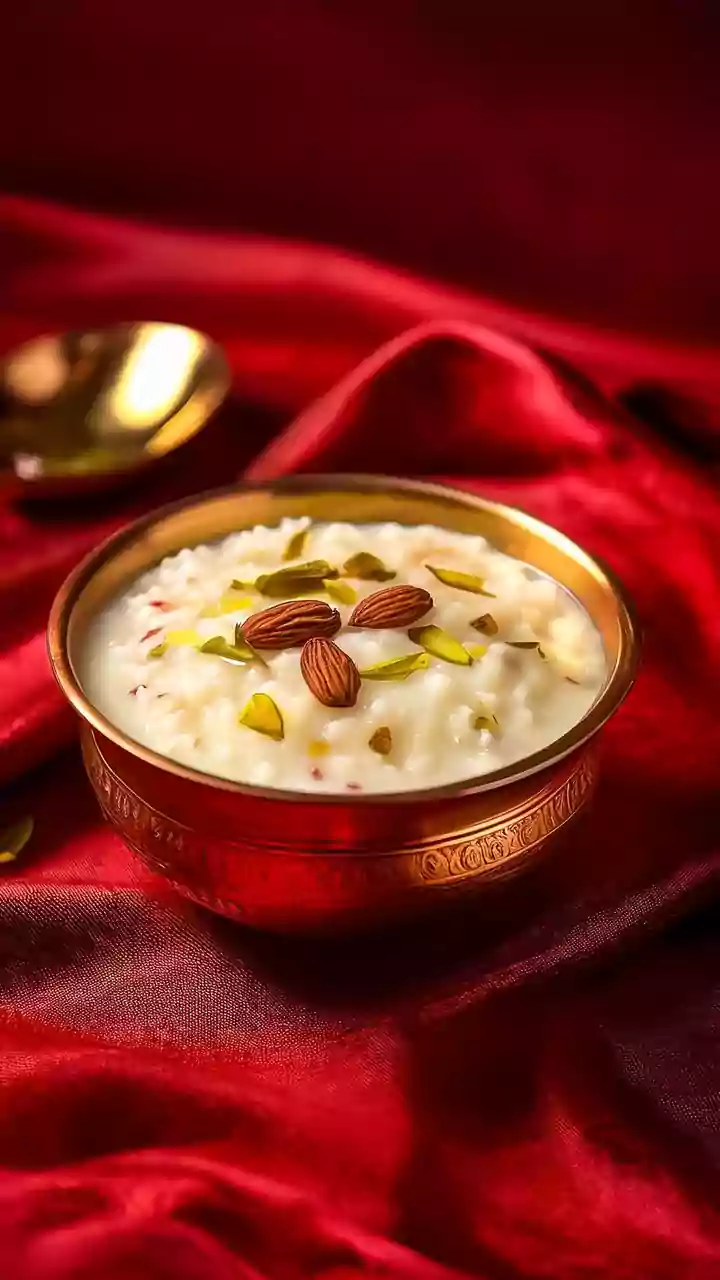
As winter arrives in Bengal, a special kind of sweetness fills the air with the arrival of 'Nolen Gur' or fresh date palm jaggery. This liquid gold, with its smoky aroma and caramel-like flavour, is a seasonal delicacy available for only a few months. It elevates a wide range of Bengali sweets, from the simple Sandesh to the rich and creamy Gur-er Payesh (rice pudding). The jaggery imparts a unique depth and complexity that refined sugar cannot match. Nolen Gur is also used in 'Patishapta', delicate crepes filled with a mixture of coconut, khoya, and gur, which are especially popular during the Poush Parbon festival.
The Gentle Warmth of the South
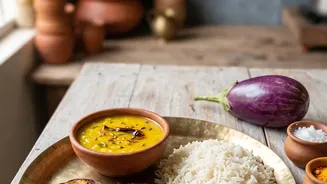
While winters in the South are milder, the cuisine still adapts to the season. The focus shifts to warming spices and hearty preparations. Dishes like Kollu Rasam (horse gram soup) and peppery stews become more common. A highlight of Tamil Nadu's winter, especially during the Pongal festival, is Kadamba Kootu. This is a flavourful stew made with a mix of at least 11 seasonal vegetables, lentils, and a coconut-based masala, creating a dish that is both nourishing and comforting. In Karnataka, Bisi Bele Bath, a hot lentil rice dish packed with vegetables and aromatic spices, provides a complete and soul-warming meal. Millets like ragi are also used to make puddings that build immunity during the cooler months.