

A New Era of Travel Takes Flight
A fresh chapter in Indian aviation is unfolding, one that promises to redefine regional travel and tourism. Propelled by the government's UDAN (Ude Desh ka Aam Nagrik) scheme, seaplane services are poised to connect the country's extensive network of
rivers, lakes, and coastlines. This initiative aims to open up remote and picturesque locations where building traditional airports is impractical. Instead of runways, these services use waterdromes—designated areas on water bodies for takeoff and landing. Major players like SpiceJet and the newly approved dedicated operator SkyHop Aviation are leading this charge, reviving a concept that has seen sporadic attempts in the past but is now backed by significant government support, including viability gap funding to ensure sustainability.
Your Next Getaway: Mapping the Sky-Lanes
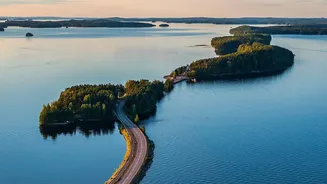
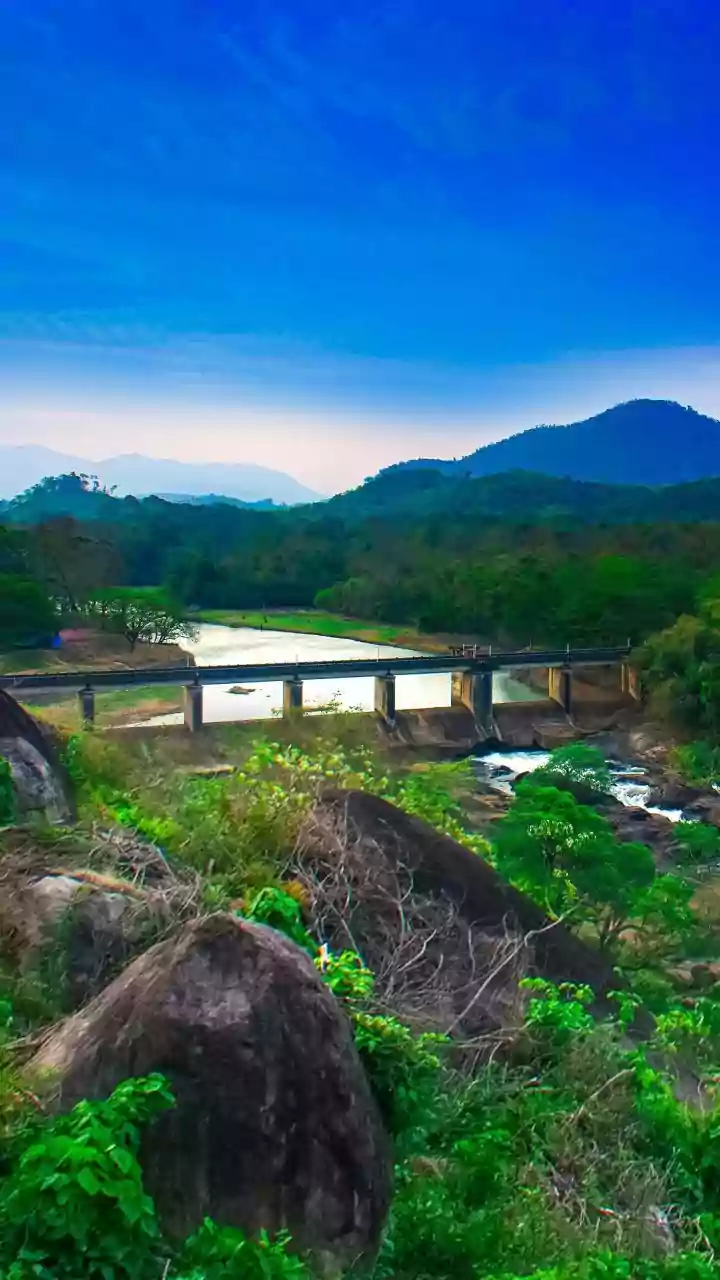
The most anticipated connections are those linking the mainland to pristine islands and tourist hotspots. The Lakshadweep islands are a flagship destination for this project, with services planned to connect islands like Agatti, Kavaratti, and Kalpeni directly with Kochi. This will slash a journey that takes hours by sea to a flight of roughly 30-60 minutes, making the stunning coral atolls more accessible than ever. Beyond the islands, plans are in motion for routes across the country. Demonstration flights have already taken place in Andhra Pradesh between Vijayawada and Srisailam Dam. Further routes are planned to connect cities like Guwahati and Shillong in the Northeast, while the scenic backwaters of Kerala and coastal areas in the Andaman and Nicobar Islands are also prime candidates for new connections.
The Seaplane Experience
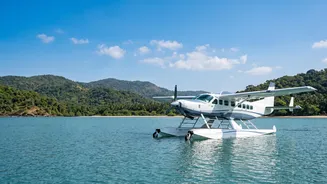
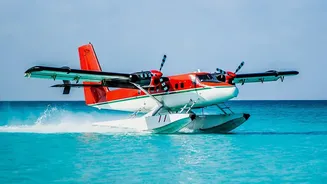
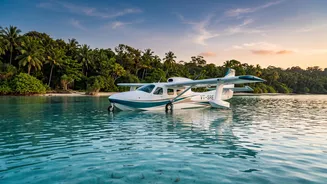
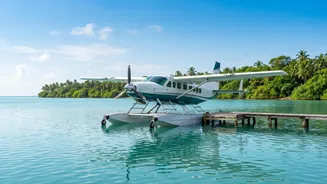
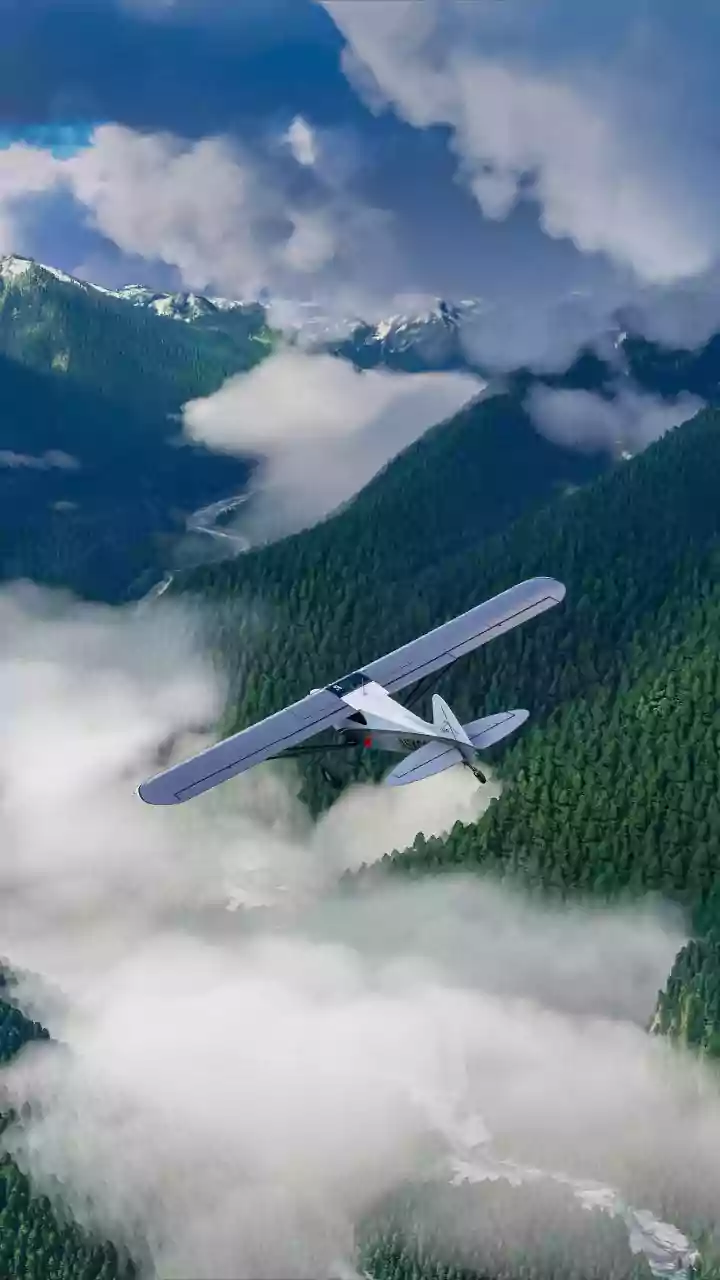
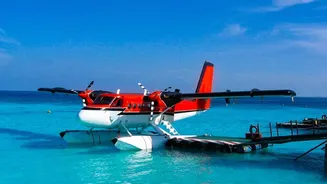
Flying in a seaplane is an adventure in itself, far removed from the typical commercial airline experience. These smaller aircraft, often 10 to 19-seaters like the De Havilland Twin Otter, offer an intimate and unique journey. The thrill begins with a takeoff directly from the water's surface and ends with a gentle landing on a lagoon or river. Flying at lower altitudes, passengers are treated to breathtaking panoramic views of the landscape below, turning the journey into a scenic tour. Instead of navigating sprawling airport terminals, passengers will use simple, floating jetties, making the entire process quicker and more personal. This mode of transport offers not just convenience but a memorable experience that is part of the holiday itself.
More Than Just Tourism
While boosting tourism is a primary goal, the impact of these seaplane corridors extends much further. For residents of remote islands and riverine communities, these services offer a vital lifeline. They promise faster and more reliable access to mainland resources, including critical healthcare and emergency medical evacuations. Economically, the new routes are expected to stimulate local economies by creating jobs in hospitality, transport, and related services. By making it easier for visitors to reach previously inaccessible areas, the initiative can help distribute the benefits of tourism more evenly, empowering local businesses from homestay owners to artisans. In strategic regions like the Andaman & Nicobar and Lakshadweep islands, enhanced civilian connectivity also plays a role in strengthening India’s presence.
Learning from the Past, Flying to the Future
India has flirted with seaplane services before, most notably with the Ahmedabad to Statue of Unity route, which was eventually paused due to challenges with high operational costs, maintenance, and inconsistent demand. This time, however, feels different. A more robust framework under the UDAN scheme, combined with specific financial incentives from the government, is designed to address the very viability issues that grounded earlier projects. However, the initiative is not without its challenges. Concerns have been raised by environmental groups and fishing communities, particularly in ecologically sensitive areas like the Kerala backwaters, regarding the potential impact on local ecosystems and livelihoods. Striking a balance between development and preservation will be crucial for the long-term success and sustainability of this ambitious venture.