






The Night Shift's Toll on Your Body Clock
Working when it’s dark and trying to sleep when it’s light throws your body’s internal clock, or circadian rhythm, into disarray. This 24-hour cycle tells your body when to be alert and when to rest, primarily using sunlight as its main cue. When you work
a night shift, you're fighting against this fundamental biological programming. This misalignment doesn't just make you feel tired; it can lead to a state of perpetual jet lag, increasing the risk of fatigue, stress, and even long-term health issues. The core of the problem is that your brain is being told it's daytime when it desperately needs to power down.
How Light Controls Your Brain's Sleep Switch
Light, particularly blue light, is the most powerful signal for your brain's master clock. When light-sensitive cells in your eyes detect blue wavelengths—abundant in sunlight, cool-white LEDs, and digital screens—they send a message to your brain to suppress the production of melatonin. Melatonin is the key hormone that makes you feel sleepy. This is great in the morning, as it helps you wake up and feel alert. However, after a night shift, your journey home in the morning exposes you to bright daylight, telling your brain to stay awake just when you need to sleep. Even standard indoor lighting can emit enough blue light to interfere with this process, delaying and disrupting the deep, restorative sleep you need.
The Science of Warm-Toned Light
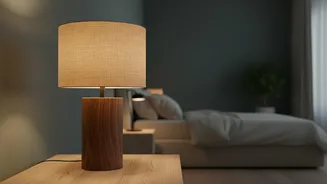
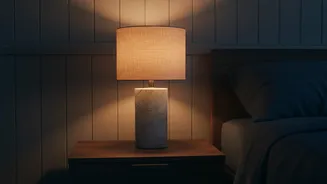
The solution lies in changing the colour of the light you're exposed to after your shift. While blue light is stimulating, light on the other end of the spectrum—red, amber, and orange—has a much weaker effect on melatonin suppression. Studies have shown that red light is the least disruptive colour for evening and nighttime use. One 2012 study found that nightly exposure to red light therapy improved sleep quality and boosted melatonin levels in athletes. For a night worker, this means that switching your home's lighting from cool, bright whites to dim, warm tones after your shift can prevent your brain from getting the 'wake up' signal. This allows melatonin production to begin naturally, preparing your body for a quicker and deeper sleep.
Practical Steps for a Sleep-Friendly Home
Implementing a circadian-friendly lighting strategy at home doesn't have to be complicated or expensive. Here are some actionable steps you can take: • Switch to Warm Bulbs: Replace standard LED bulbs in your bedroom and living areas with those that have a warm colour temperature (look for ratings under 2700K) or specifically red or amber bulbs for evening use. • Dim the Lights: An hour or two before your intended bedtime, dim your indoor lights as much as possible. Brightness, in addition to colour, plays a role in alertness. • Wear Sunglasses Home: To block the alerting effects of morning sun after your shift, wear dark, wrap-around sunglasses for your commute. However, for safety, only do this if you are not the one driving. • Use Night Mode on Screens: Activate the 'night shift' or 'eye comfort shield' on your smartphones, tablets, and computers. This shifts the screen colour from blue to a warmer orange tone. • Create a Dark Cave: Your bedroom should be as dark as possible. Use blackout curtains or a high-quality eye mask to block all light sources. Even a small amount of light can disrupt sleep.
Beyond Lighting: Other Essential Sleep Habits
While controlling light is a powerful tool, it works best as part of a broader sleep hygiene strategy. Consistency is key, so try to stick to the same sleep-wake schedule, even on your days off, to help stabilize your body clock. Avoid caffeine and heavy meals for at least four to six hours before you plan to sleep. Establishing a relaxing pre-sleep routine, such as taking a warm bath, reading a book (not on a bright screen), or practicing light stretching, can also signal to your body that it's time to wind down. Creating a cool, quiet, and comfortable sleep environment will further enhance your ability to get the restorative rest you need to thrive as a night worker.